

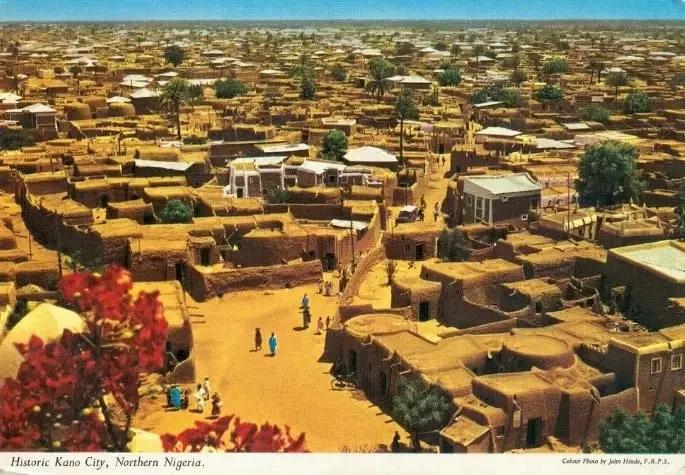
Across the vast landscapes of West Africa, few cultural and
historical traditions have been as influential as those associated with
the Hausa and Fulani peoples. Their histories stretch across modern-day
Nigeria, Niger, northern Ghana, Cameroon, Chad and neighboring parts of
the Sahel and West Africa.
The expression Hausa-Fulani is widely used in
Nigeria, particularly when discussing the historical and political
relationship between Hausa-speaking communities and Fulani populations.
However, it is important to understand from the beginning that the Hausa
and Fulani are distinct peoples with their own languages,
histories and cultural traditions. Centuries of interaction,
migration, intermarriage, Islamization and political cooperation created
deep connections between them, particularly in northern Nigeria.
The Hausa developed some of the most important urban and commercial
centers in West Africa. Cities such as Kano, Katsina, Zazzau, Gobir and
Daura became important centers of agriculture, craftsmanship,
scholarship and long-distance trade.
The Fulani, also known by names such as Fulbe or
Peul, developed extensive pastoral and trading networks
across the Sahel. Many Fulani communities maintained cattle-herding
traditions, while others became settled farmers, merchants, scholars and
political leaders.
Islam became one of the strongest connecting forces between many
Hausa and Fulani communities. Over centuries, Islamic scholarship, trade
and political institutions transformed northern West Africa.
The result was not the disappearance of older cultures.
Instead, Hausa and Fulani traditions interacted with Islam and with
one another, creating societies that were simultaneously African,
Islamic, commercial, agricultural, pastoral and urban.
Understanding this history requires moving beyond stereotypes.
The Hausa-Fulani story is not simply a story of northern Nigerian
politics.
It is a much broader story about migration, faith, commerce,
scholarship, urban civilization and cultural exchange across the
Sahel.
Who Are the Hausa?
The Hausa are one of the largest ethnolinguistic groups in West
Africa.
Their historical homeland is centered around parts of present-day
northern Nigeria and southern Niger, although Hausa-speaking communities
are now found across much of West Africa.
The Hausa language belongs to the Chadic branch of the
Afroasiatic language family.
It became one of the most important languages of commerce and
communication across the western and central Sahel.
This importance developed partly because Hausa merchants traveled
extensively.
A trader who spoke Hausa could communicate with people across
communities separated by political boundaries and different local
languages.
Over time, Hausa became more than an ethnic language.
It became a regional language of trade and communication.
The Hausa City-States
One of the most important features of Hausa history was the
development of urban political centers often described as the
Hausa city-states.
Among the most historically significant were Kano, Katsina,
Zazzau, Gobir, Daura, Rano and Biram.
These political centers were not always united under one centralized
kingdom.
Instead, they developed independently and sometimes competed with one
another.
Their rivalry could involve warfare, political alliances and
competition over commercial routes.
At the same time, they shared linguistic and cultural
connections.
This combination of political competition and cultural similarity
helped create a dynamic regional civilization.
Daura and Hausa Origins
Daura occupies a special place in Hausa historical traditions.
Traditional accounts sometimes describe Daura as one of the ancient
centers from which Hausa political traditions developed.
The famous Bayajidda legend tells of a stranger who
arrived in Daura and eventually became connected with the origins of
several Hausa ruling dynasties.
The story exists in different versions and should be understood
primarily as a traditional historical narrative rather than treated as a
straightforward modern historical record.
Its importance lies in what it reveals about Hausa cultural
memory.
Stories of origin helped explain political legitimacy, relationships
between communities and the history of ruling families.
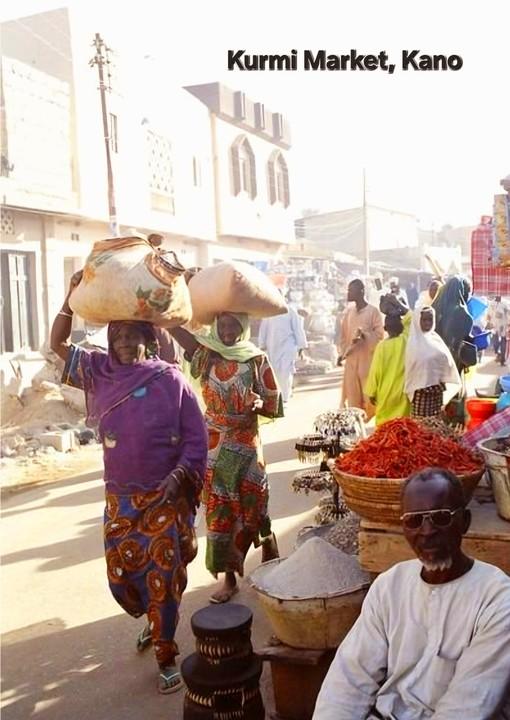 Kano: A Major Commercial
Center
Among the historic Hausa cities, Kano became one of the most
important.
Its location gave it access to regional agricultural production and
long-distance trade.
Kano became famous for textile production, leatherworking, dyeing,
metalworking and commerce.
Its markets attracted merchants from different parts of West
Africa.
Over time, the city developed into an important center connecting the
Sahel with regions farther south.
Kano’s history demonstrates the relationship between urban
development and commerce in precolonial Africa.
A successful trading city required more than merchants.
It needed artisans, farmers, transporters, scholars, administrators
and political institutions.
The Kano Dye Pits
One of the most visible surviving traditions associated with Kano’s
commercial history is textile dyeing.
The famous Kofar Mata dye pits represent a
long-standing tradition of indigo dyeing.
Indigo textiles became important commercial products in the
region.
The production process required specialized knowledge.
Dyers needed to understand the preparation of dyes, treatment of
fabrics and creation of distinctive patterns.
Textile production therefore became both an economic activity and a
form of cultural expression.
The Importance of Trade
Trade was one of the defining characteristics of the Hausa historical
experience.
Northern West Africa was connected to extensive commercial networks
that crossed deserts, savannas and river valleys.
Merchants transported goods between communities separated by hundreds
or even thousands of kilometers.
Among the goods exchanged were textiles, leather products,
agricultural commodities, livestock, salt and other valuable
products.
Trade also facilitated the movement of ideas.
Religion, technology, languages, artistic styles and political
concepts could travel along the same routes as merchandise.
Trans-Saharan Trade
The Sahara was often described by outsiders as an enormous
barrier.
Historically, however, it was also a zone of connection.
Caravan routes crossed the desert linking West Africa with North
Africa.
Merchants traveled between cities and oases using organized
caravans.
One of the most important commodities moving southward was
salt.
Salt was particularly valuable in inland West Africa because it was
essential for human nutrition and food preservation but not equally
available everywhere.
Gold, leather goods, textiles and other commodities moved in
different directions.
The trade connected West African societies to wider economic systems
stretching toward North Africa and the Mediterranean.
Hausa Merchants and
Commercial Networks
Hausa merchants became active across extensive regional networks.
They traveled between northern Nigeria, Niger, Ghana and other parts
of West Africa.
Some established commercial settlements outside their original
communities.
This contributed to the spread of Hausa language and cultural
practices.
The commercial network also encouraged the development of trust-based
relationships.
Merchants needed reliable partners in distant markets.
Shared language and cultural connections could make these
relationships easier to maintain.
Markets as Cultural Meeting
Places
Markets were not simply economic spaces.
They were places where cultures met.
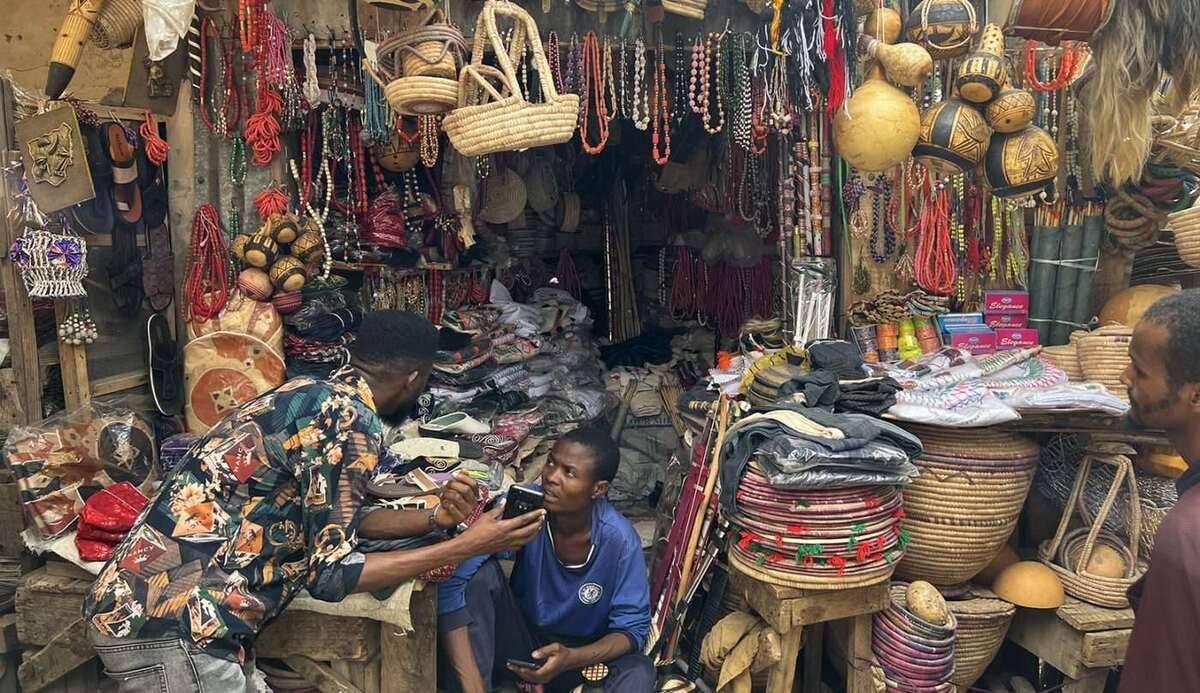
and travelers.
Different languages could be heard.
Different styles of clothing and food could be encountered.
News from distant communities could circulate.
A new product or technology could be introduced.
In this sense, markets functioned as informal cultural
institutions.
They helped create connections across ethnic and political
boundaries.
Who Are the Fulani?
The Fulani are a widely dispersed West African people whose
communities extend across a large part of the Sahel and savanna
belt.
They are known by different names in different regions, including
Fulbe and Peul.
The Fulani language is generally called Fula, with
regional varieties carrying different names.
Fulani communities have historically engaged in pastoralism,
agriculture, trade, scholarship and political activity.
It is therefore inaccurate to imagine all Fulani people as
exclusively nomadic cattle herders.
Their societies have always been diverse.
Some groups maintained highly mobile pastoral lifestyles.
Others became settled farmers.
Some became urban residents.
Others developed political states.
Many combined several economic activities.
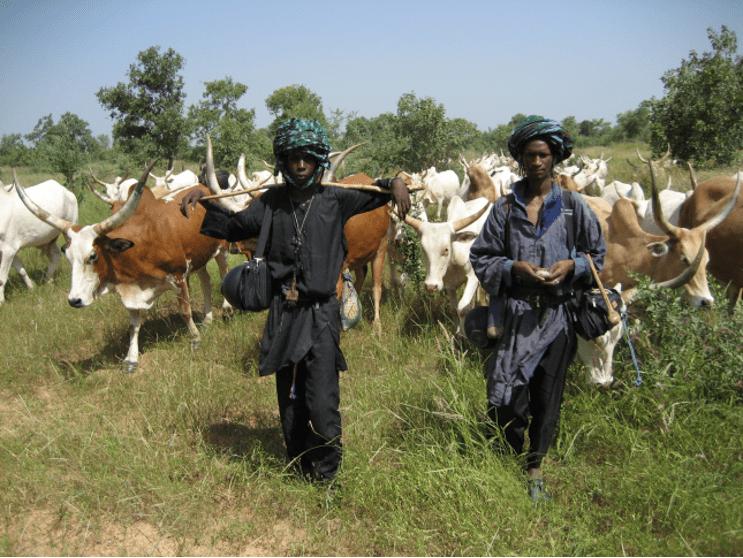 Pastoralism and Cattle
Cattle have enormous importance within many Fulani traditions.
Livestock can provide food, wealth, social status and economic
security.
Pastoral communities developed extensive knowledge of grazing
conditions, water sources and seasonal migration routes.
Mobility was essential in environments where rainfall and pasture
could change dramatically across seasons.
Moving livestock allowed communities to respond to environmental
conditions.
This pastoral lifestyle also encouraged interaction with settled
agricultural communities.
Pastoralists and Farmers
Relationships between herders and farmers have historically included
both cooperation and conflict.
Pastoralists needed access to water and grazing.
Farmers needed land for cultivation.
When managed through established agreements and customary rules, both
groups could benefit from exchange.
Herders could provide livestock products.
Farmers could provide grain and other agricultural goods.
However, competition over land and water could also generate
disputes.
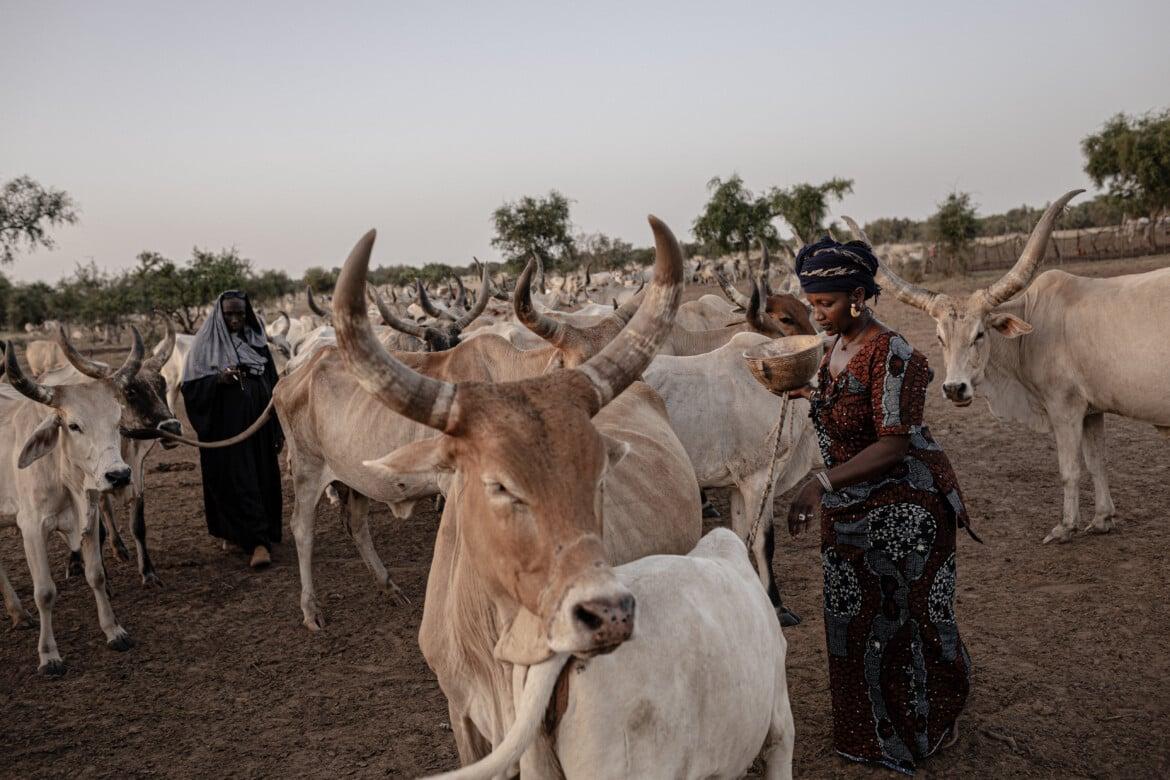
political and economic contexts rather than being reduced to ethnicity
alone.
The Fulani and Islam
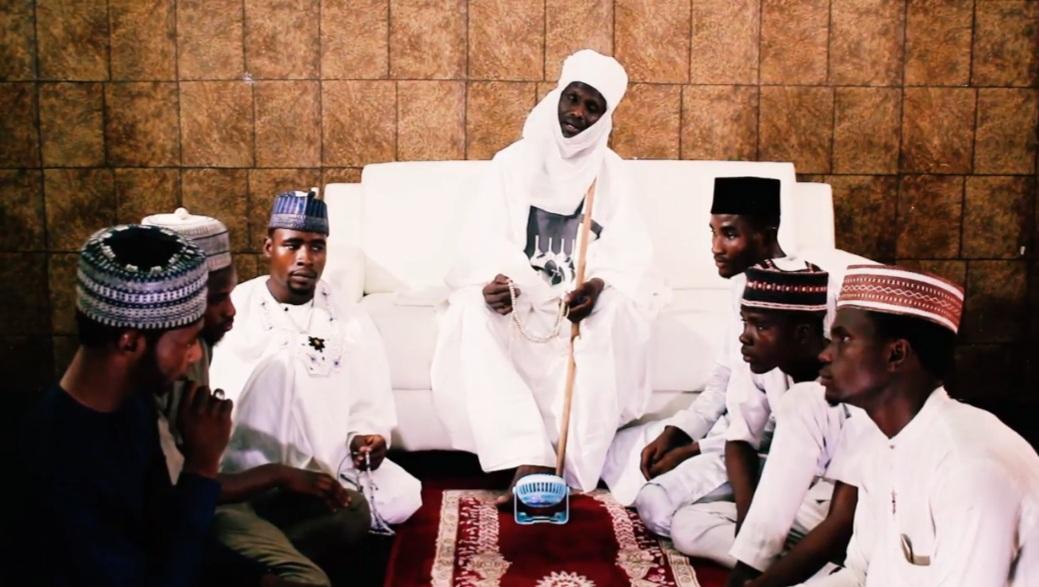
Islam became deeply influential among many Fulani communities.
Fulani scholars participated in Islamic learning networks extending
across West Africa.
Some Fulani communities adopted Islam gradually through contact with
Muslim merchants and scholars.
Others later became involved in movements aimed at reforming Islamic
practice and political institutions.
This religious history eventually contributed to the emergence of
major Islamic states in West Africa.
Islam and Hausa Society
Islam also became deeply established among many Hausa
communities.
Muslim merchants and scholars contributed to the growth of Islamic
learning in Hausa cities.
Mosques and Quranic schools became important institutions.
Arabic literacy provided access to a wider intellectual world.
Islamic scholarship became connected with administration, law and
commerce.
Yet Islamic societies in the region also retained many local cultural
practices.
The resulting culture was neither simply Arab nor simply
European.
It was a distinctly West African expression of Islam.
The Role of Islamic
Scholarship
Islamic scholarship transformed northern West African intellectual
life.
Scholars studied the Quran, Islamic jurisprudence, theology, Arabic
grammar, literature and history.
Manuscripts circulated between cities.
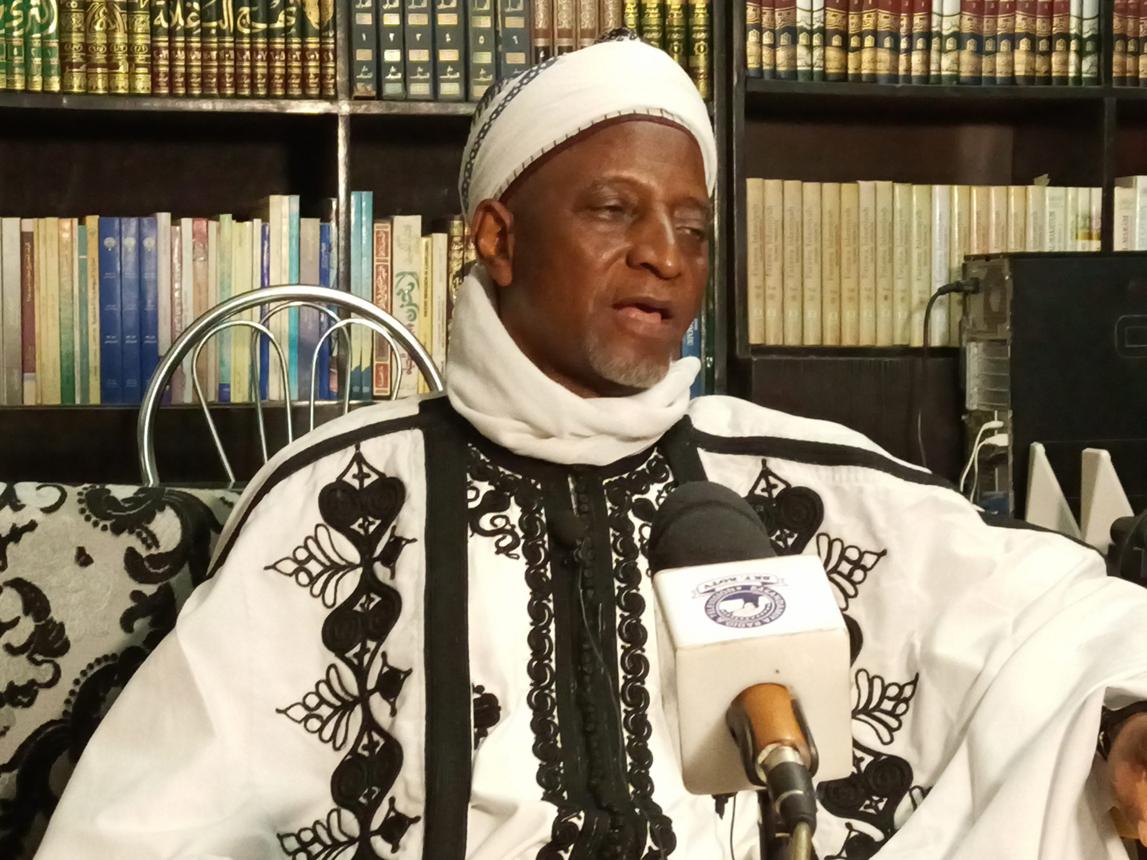
Scholarly networks linked West Africa with North Africa and the wider
Muslim world.
Cities such as Kano, Katsina and Sokoto became important centers of
Islamic learning.
The Sokoto Jihad
One of the most significant events in the political history of the
region occurred at the beginning of the nineteenth century.
Usman dan Fodio, a Fulani Islamic scholar and
reformer, launched a movement in 1804 that developed into the
Sokoto Caliphate.
The movement emerged from religious, political and social tensions
within the Hausa states.
Usman dan Fodio criticized rulers whom he believed were failing to
govern according to Islamic principles.
His movement gained substantial support and eventually transformed
the political map of much of northern Nigeria and neighboring
regions.
The Sokoto Caliphate
The Sokoto Caliphate became one of the largest political formations
in nineteenth-century West Africa.
It incorporated numerous territories and emirates.
The caliphate was not a single centralized state in the modern
sense.
Instead, it operated through a network of emirates connected to the
authority of the Sultan of Sokoto.
This political structure brought together Hausa, Fulani and other
populations.
The Fulani became particularly prominent within the political
leadership of many emirates.
However, the populations governed by these institutions were
ethnically diverse.
Usman dan Fodio and
Intellectual Tradition
Usman dan Fodio was not only a political figure.
He was also a prolific scholar and writer.
He produced works concerning Islamic theology, law, morality and
society.
His writings contributed to a broader intellectual movement.
His brother Abdullahi dan Fodio and his son
Muhammad Bello also became important scholars and
political figures.
The intellectual tradition surrounding the Sokoto movement therefore
extended beyond one individual.
Nana Asma’u and Women’s
Scholarship
One of the most remarkable intellectual figures associated with the
Sokoto scholarly tradition was Nana Asma’u, the
daughter of Usman dan Fodio.
She was a scholar, poet, teacher and educator.
Her work demonstrates that Islamic scholarship in nineteenth-century
northern Nigeria was not exclusively a male domain.
Nana Asma’u developed educational methods that helped spread Islamic
knowledge among women.
Her legacy remains important to discussions of women’s education,
Islamic scholarship and African intellectual history.
The Emirate System
After the establishment of the Sokoto Caliphate, various emirates
developed within its political framework.
Kano, Katsina, Zazzau and other territories became associated with
emirate institutions.
The emir served as the political and religious authority within his
territory, subject to the wider structure of the caliphate.
Emirate institutions became influential centers of administration,
scholarship and culture.
Some of these traditional institutions continue to exist today in
modified ceremonial forms.
Hausa-Fulani Relations
The relationship between Hausa and Fulani populations is centuries
old.
It includes intermarriage, political alliances, religious
cooperation, migration and cultural exchange.
Over time, Fulani elites became deeply integrated into Hausa-speaking
societies.
In many areas, Fulani rulers adopted Hausa language and customs while
maintaining elements of Fulani identity.
Likewise, Hausa populations participated in institutions that emerged
under Fulani political leadership.
This long interaction is one reason the expression “Hausa-Fulani”
became common.
Why
Hausa and Fulani Should Not Be Treated as One Ethnic Group
Despite their close historical connections, Hausa and Fulani remain
distinct peoples.
Hausa is a language and cultural identity with its own history.
Fulani communities have their own language, traditions and historical
experiences.
Not every Hausa person is Fulani.
Not every Fulani person is Hausa.
Some people identify strongly with one identity.
Others have mixed Hausa-Fulani family backgrounds.
Still others identify primarily through religion, nationality, local
community or another cultural affiliation.
Understanding these distinctions makes the history more accurate.
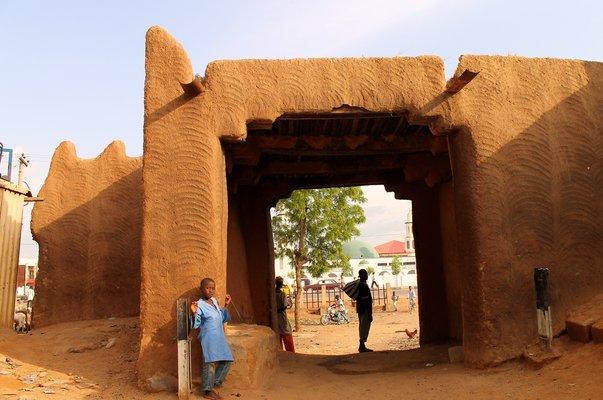
Architecture and Urban
Heritage
The Hausa-Fulani cultural region produced distinctive architectural
traditions.
Mud-brick and later cement structures have been used in various
forms.
Palaces, mosques, markets and residential compounds often
incorporated decorative elements.
Traditional Hausa architecture is especially famous for its use of
geometric patterns and sculptural surface decoration.
Architecture was adapted to the Sahelian climate.
Thick walls could help regulate interior temperatures.
Courtyards provided space for family life.
The Gidan Rumfa
The Gidan Rumfa, historically associated with the
Emir of Kano, is one of the important examples of traditional palace
architecture in northern Nigeria.
Palaces were more than residences.
They were centers of administration.
They hosted visitors.
They represented political authority.
They provided spaces for ceremonies and important meetings.
The architecture therefore communicated power.
Hausa Leatherwork
Leatherworking became an important craft within Hausa commercial
culture.
Artisans produced bags, shoes, saddles, belts, containers and other
products.
Leather goods could be traded across long distances.
Specialized crafts allowed communities and individual artisans to
develop economic identities.
Traditional craftsmanship also provided a means of transmitting
technical knowledge from one generation to another.
Hausa Textiles
Textile production is another major aspect of Hausa heritage.
Weavers produced fabrics for clothing and ceremonial use.
Indigo dyeing became particularly associated with Kano and other
northern communities.
Traditional clothing could communicate age, status, religious
identity and regional affiliation.
Modern fashion designers continue to draw inspiration from these
traditions.
Traditional Hausa Clothing
Hausa clothing is often characterized by flowing garments and
elaborate embroidery.
The babban riga, or large flowing robe, is
particularly recognizable.
Men may wear it with trousers and a traditional cap.
Women’s clothing includes a wide range of fabrics and styles, often
featuring embroidery, wrappers and head coverings.
Clothing has both practical and symbolic functions.
Fulani Dress and Adornment
Fulani clothing varies greatly across regions.
Some Fulani communities are known for distinctive embroidered
garments, jewelry, hairstyles and forms of body adornment.
The famous Fulani braids and jewelry traditions
demonstrate how personal appearance can communicate cultural
identity.
Adornment can express age, marital status, beauty ideals and regional
belonging.
The diversity of Fulani dress reflects the wide geographic
distribution of Fulani communities.
Hausa and Fulani Food
Culture
Food traditions reflect the agricultural and pastoral foundations of
the region.
Grains such as millet, sorghum and maize have historically been
important.
Milk and dairy products are particularly significant in many Fulani
pastoral traditions.
Meat, vegetables and grains are combined in numerous regional
dishes.
Foods vary significantly across northern Nigeria and neighboring
countries.
There is therefore no single dish that represents all Hausa or Fulani
communities.
Hausa Language as a
Regional Lingua Franca
One of the most important contributions of Hausa culture to West
African communication is the spread of the Hausa language.
Hausa became widely used in commerce across the western Sahel.
Even people whose first language was not Hausa could learn it for
trade.
This made Hausa an important linguistic bridge.
Today, Hausa remains one of the most widely spoken African languages
and is used extensively in media, education, commerce and public
communication in parts of West Africa.
Hausa in Modern Media
Hausa-language broadcasting has become an important part of West
African media.
Radio, television, newspapers and digital platforms distribute
Hausa-language content to large audiences.
The language is also used in international broadcasting.
Its continued importance demonstrates how historical trade networks
helped create linguistic connections that remain valuable in the modern
era.
Trade and Cultural Diffusion
Trade did more than distribute goods.
It distributed culture.
A merchant traveling from Kano to another city could carry clothing
styles, stories, religious ideas, language and technology.
Over generations, these exchanges created cultural similarities
across distant communities.
This is one reason the Sahel should be understood as a connected
cultural zone rather than a collection of isolated societies.
Islam and Indigenous
Traditions
The spread of Islam did not erase every older cultural practice.
Many communities adapted Islamic teachings to existing social
structures.
Some older customs disappeared.
Others were reinterpreted.
Still others continued alongside Islamic practices.
This process is common throughout African history.
Religious change often involves adaptation rather than instant
replacement.
The Colonial Transformation
European colonial rule dramatically altered Hausa and Fulani
political institutions.
The British conquest of northern Nigeria brought the Sokoto Caliphate
and emirates under colonial control.
Rather than abolishing every traditional institution, British
authorities often governed indirectly through existing rulers.
This became known as indirect rule.
Emirs retained certain administrative responsibilities but ultimately
operated under British colonial authority.
The system changed the meaning of traditional political power.
Colonial Borders and
Cultural Continuity
European colonial borders divided communities that had previously
interacted across flexible regional boundaries.
Hausa-speaking populations became citizens of different modern
states.
Fulani pastoralists also found their migration routes increasingly
affected by international borders.
Yet cultural connections continued.
Language, trade, family networks and religious institutions continued
crossing national boundaries.
Hausa-Fulani Heritage
in Modern Nigeria
Today, Hausa and Fulani communities form an important part of
Nigeria’s cultural landscape.
Northern Nigerian cities contain millions of people engaged in
education, agriculture, commerce, government, technology, manufacturing
and other sectors.
Traditional institutions continue to have cultural significance.
Emirs and other traditional leaders can play ceremonial, advisory and
community roles.
At the same time, modern political authority belongs to Nigeria’s
constitutional institutions.
Tradition and Modernity
The contemporary Hausa-Fulani experience demonstrates that
traditional culture can coexist with modern life.
A person may speak Hausa at home, attend a modern university, work in
technology, wear Western clothing during the week and traditional
clothing during a festival.
A traditional ruler may use social media.
A merchant may conduct business digitally while maintaining
centuries-old commercial relationships.
Culture adapts to technology.
Challenges Facing
Pastoral Communities
Fulani pastoral communities face major contemporary challenges.
Climate change, desertification, population growth, land-use changes
and competition over water can make traditional pastoral mobility more
difficult.
Modern political boundaries can also restrict movement.
These pressures can contribute to conflicts between pastoralists and
farming communities.
Understanding these problems requires attention to environmental and
economic factors as well as political and ethnic dimensions.
Preserving Hausa-Fulani
Heritage
Cultural preservation involves more than protecting historic
buildings.
It includes preserving languages, traditional crafts, manuscripts,
oral histories, music, architecture, clothing and religious
scholarship.
Historic cities such as Kano contain important architectural and
cultural heritage.
Traditional craft industries can provide livelihoods while preserving
knowledge.
Digital archives can also help younger generations access historical
material.
Heritage and Tourism
The cultural heritage of northern Nigeria has significant tourism
potential.
Historic mosques, palaces, markets, dye pits, city walls, museums and
festivals can attract visitors interested in African history.
Responsible tourism should benefit local communities.
It should also protect historic structures and respect religious and
cultural practices.
Heritage should not be reduced to entertainment.
It should be presented as living history.
The Wider West African
Connection
Perhaps the most important lesson from Hausa-Fulani history is the
interconnectedness of West Africa.
Hausa merchants traveled.
Fulani pastoralists moved across seasonal routes.
Scholars traveled between Islamic learning centers.
Pilgrims crossed political boundaries.
Families migrated.
Goods moved between ecological regions.
Ideas followed people.
The result was a cultural landscape that was constantly changing.
Conclusion: A
Civilization Built on Connection
The story of the Hausa and Fulani is ultimately a story of
connection.
The Hausa developed powerful urban and commercial centers that
connected northern Nigeria and the wider Sahel.
The Fulani developed extensive pastoral, scholarly, commercial and
political networks stretching across enormous areas of West Africa.
Islam provided an important intellectual and spiritual framework
through which many communities interacted.
Trade transformed cities such as Kano and Katsina into centers of
commerce and scholarship.
The trans-Saharan routes connected West Africa to North Africa and
the wider Islamic world.
The Sokoto movement of the nineteenth century transformed the
political organization of northern Nigeria and created one of the most
influential Islamic states in West African history.
Yet this history cannot be reduced to the actions of rulers or
merchants.
It also belongs to farmers cultivating their fields, herders moving
livestock across seasonal landscapes, artisans producing textiles and
leather, women participating in markets, scholars preserving
manuscripts, families maintaining traditions and young people adapting
their heritage to modern life.
The term Hausa-Fulani reflects centuries of
interaction, but it should never erase the distinct identities of the
Hausa and Fulani peoples.
Their histories overlap without being identical.
Their languages are different.
Their traditional social structures developed differently.
Their economic practices have varied.
Their cultural identities remain distinct even where they have become
deeply intertwined.
What connects them most powerfully is the long history of interaction
that unfolded across the Sahel.
Trade routes connected distant markets.
Islamic scholarship connected intellectual communities.
Pastoral migration connected ecological zones.
Marriage connected families.
Cities connected rural producers with international merchants.
Language connected people who otherwise belonged to different
communities.
This history makes Hausa and Fulani heritage an important part of the
broader story of African civilization.
It reminds us that Africa’s historical societies were not isolated
worlds.
They were connected by movement, commerce, scholarship, religion and
cultural exchange.
The Hausa-Fulani experience therefore represents much more than the
history of northern Nigeria.
It is part of the history of a connected West
Africa.
