

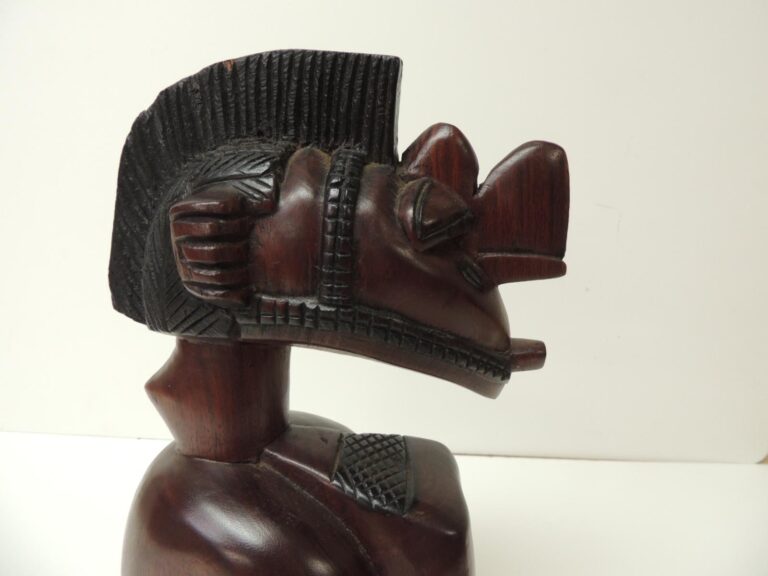
Walk into almost any African folktale long enough and the ordinary world starts to feel thin — a membrane stretched over something older, hungrier, and far less predictable. Rivers have owners. Forests have watchers. The spirits, monsters, and supernatural beings that populate African folklore not as decoration, but as a genuinely load-bearing part of how many communities have historically understood illness, misfortune, morality, and the natural world itself.
It’s worth saying up front that “supernatural” is a slightly awkward label to put on these figures, because it implies a hard boundary between the natural and spiritual worlds that a great many African cosmologies simply don’t draw in the same place. Spirits, ancestors, and unseen forces are frequently treated as part of the same continuous reality as rivers, weather, and family — not a separate magical layer bolted onto an otherwise secular world. Keeping that in mind helps explain why these beings show up so often, so casually, and so seriously across the continent’s oral traditions.
Water Spirits and the Logic of Respect
Few supernatural figures are as widespread or as enduring across the African continent and its diaspora as the water spirits collectively associated with the name Mami Wata — though “Mami Wata” is less a single figure than a broad category of water deities and spirits found under many local names, from West Africa to Central and Southern Africa and well into the Americas and Caribbean through the transatlantic slave trade.
The core image is fairly consistent across regions: a beautiful, often half-human, half-aquatic being, associated with rivers, lakes, and the sea, who can bring wealth, fertility, and good fortune to those who honor her properly — and illness, misfortune, or drowning to those who don’t. Encounters with Mami Wata in folklore tend to follow a recognizable shape: a person, often a man, meets a stunning stranger near water who offers wealth or pleasure, sometimes in exchange for silence, fidelity, or some other binding condition. Those who honor the bargain prosper. Those who break it, boast about it, or betray the spirit’s trust lose everything they gained, and often more besides.
What’s notable about Mami Wata stories is how directly they function as a kind of moral infrastructure around water itself — a genuinely dangerous, economically vital, and largely uncontrollable resource in much of the region. Treating rivers and coastlines as spiritually significant, watched over by beings who reward respect and punish greed or carelessness, gave communities a shared framework for regulating behavior around water long before formal environmental regulation existed. Don’t overfish. Don’t pollute the spring. Don’t get arrogant near the current. The spirit isn’t separate from the practical wisdom — she’s the mechanism that carries it forward, generation after generation, in a form far more memorable than a rule ever could be.
The Tokoloshe and the Politics of Blame
Move to Southern African folklore, particularly among Zulu, Xhosa, and related traditions, and you’ll encounter the tokoloshe — a small, mischievous, often malevolent spirit or creature, typically described as short, hairy, and capable of turning invisible, associated with causing illness, nightmares, misfortune, and household disturbances.
Unlike the water spirits, whose stories often carry a fairly clear moral logic of reciprocity, tokoloshe folklore leans more directly into explanation and blame. Historically, the tokoloshe has frequently been invoked to account for otherwise unexplained misfortune: sudden illness, sleep paralysis, a run of bad luck, or unexplained deaths, particularly among children. Traditional healers, called sangomas or izangoma in Zulu tradition, have long been consulted to identify tokoloshe activity and to perform the rituals needed to drive the spirit off or protect a household against it — a practice that persists, in various forms, into the present day.
The tokoloshe also occupies an uncomfortable historical role worth naming honestly: accusations of tokoloshe involvement, or of individuals summoning or being possessed by one, have at times been entangled with real social harm, including witchcraft accusations that led to the persecution, ostracism, or even killing of vulnerable people, particularly older women, in some communities. This is a pattern that shows up across several folklore traditions worldwide, not just African ones — supernatural explanations for misfortune, however culturally rich and meaningful, can be misused as a vehicle for scapegoating people who are already socially marginal. Contemporary scholars and communities engaging with tokoloshe folklore today generally do so while holding both truths simultaneously: it’s a vivid, enduring piece of cultural imagination, and it has a documented history of real-world harm that shouldn’t be waved away in the retelling.
Adze, Obayifo, and the Vampiric Witch-Spirit
Among the Ewe people of Ghana and Togo, folklore describes the adze, a vampiric being said to take the form of a firefly at night in order to slip into homes and feed on the blood, particularly of children — though in its human form, an adze is often described as an ordinary-seeming person, sometimes even a respected community member, who secretly practices witchcraft. A closely related figure among the Akan people, the obayifo, follows a similar pattern: an outwardly normal person, frequently identified through behavioral suspicion — excessive nighttime activity, unexplained wealth, a child’s chronic illness in the household — accused of secretly draining the life or vitality of victims, especially children.
These figures sit at a genuinely uncomfortable intersection of folklore and lived social consequence, and it’s worth being direct about that rather than glossing over it for the sake of a tidier story. Beliefs about the adze and obayifo have, across different periods, contributed to real accusations against real people, disproportionately targeting women, the elderly, and social outsiders — a pattern echoed in witch-hunting traditions across many world cultures, not unique to West Africa. Folklorists studying these traditions today generally approach them with real care: documenting the beliefs and their cultural function honestly, without either exoticizing them as simply “primitive superstition” or minimizing the genuine harm that witchcraft accusations have caused and, in some regions, continue to cause.
At the same time, it’s worth noting what these stories were also doing on a more everyday level: offering an explanatory framework for grief, particularly around child mortality, in societies without the medical infrastructure to explain many childhood deaths in biological terms. That doesn’t make the accusations that sometimes followed acceptable, but it helps explain why the belief system took the shape it did, and why it proved so durable.
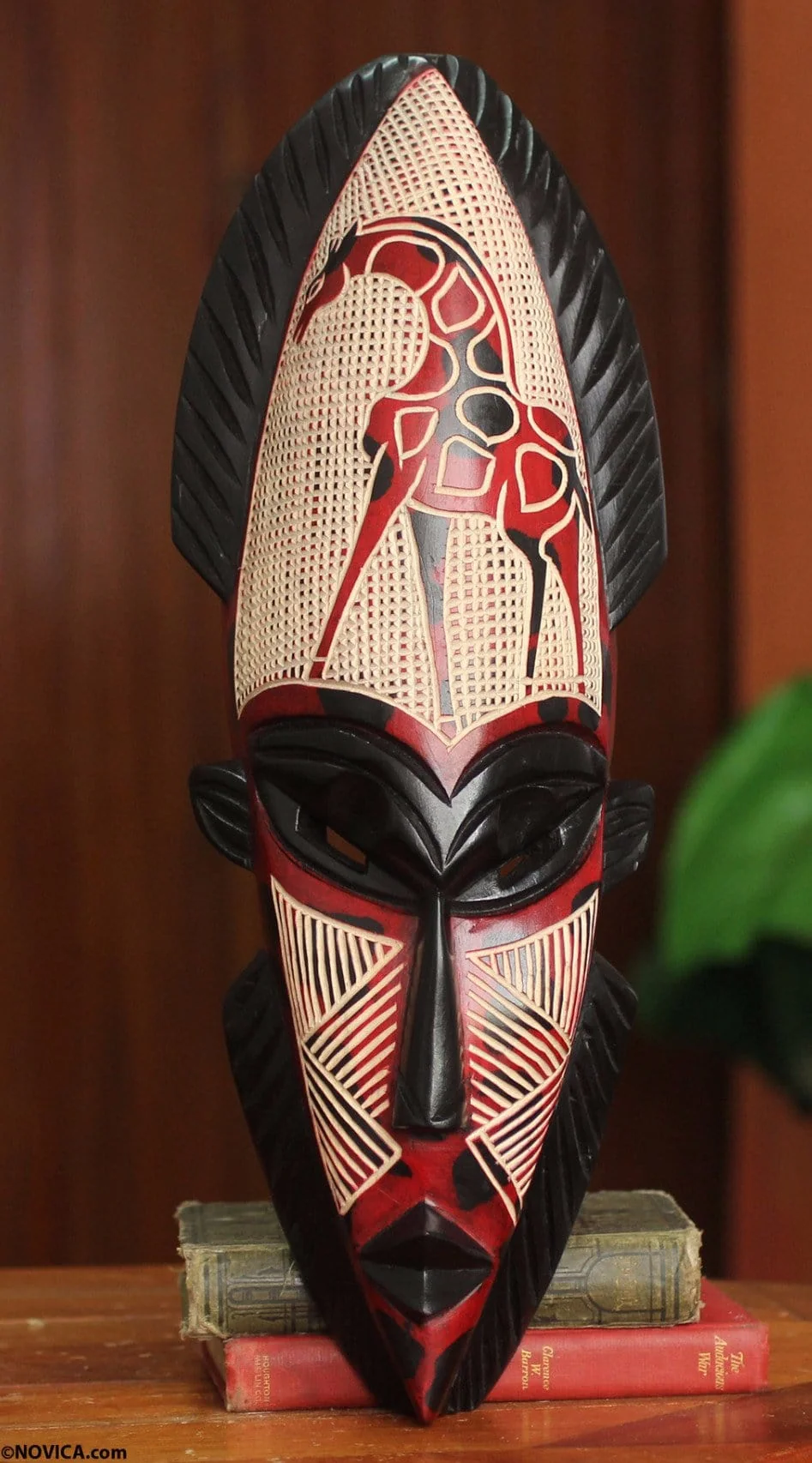 Ancestral Spirits: The Dead Who Never Fully Leave
Not every supernatural figure in African folklore is monstrous or morally ambiguous. Across a huge range of traditions, ancestral spirits occupy a central, generally protective, and deeply respected role — the dead understood not as gone, but as transitioned into a different kind of ongoing presence within the family and community.
In many West, Central, and Southern African cosmologies, ancestors are believed to remain actively involved in the lives of their descendants: offering guidance, protection, and blessing when properly honored through ritual, libation, and remembrance, and capable of expressing displeasure — sometimes through misfortune, illness, or unsettling dreams — when neglected or disrespected. Among the Akan, this concept connects closely to ideas about a person’s spirit and destiny; among the Yoruba, ancestral veneration is deeply woven into a broader cosmological system involving orishas (divine forces) and the concept of ase, a kind of vital spiritual energy or life force running through people, ancestors, and the natural world alike.
This is a crucial corrective to any framing of African supernatural belief as preoccupied purely with monsters and threats. For most communities, the dominant supernatural relationship in daily life isn’t with a fearsome creature lurking in the dark — it’s with grandparents, founders, and elders who are understood to still care, still watch, and still deserve a place at the table, sometimes literally, through offerings and libation poured out before a meal. Funerals, in many of these traditions, aren’t simply an ending but a transition ceremony, meant to ensure the deceased makes the passage into ancestorhood successfully rather than becoming a restless or malevolent spirit — which is itself one of the more common origins of “monster” figures across African folklore: not an entirely separate category of being, but a spirit who didn’t cross over properly, whether through improper burial, an unresolved grievance, or a violent, unmourned death.
The Abiku and Ogbanje: Children Who Refuse to Stay
Among the Yoruba (as abiku) and Igbo (as ogbanje) traditions of Nigeria, one of the more emotionally complex supernatural beliefs concerns spirit-children who are born, die young, and are then reborn to the same mother again and again, deliberately tormenting the family through a repeated cycle of loss. The belief is thought to have offered an explanatory and, in a difficult way, a coping framework for communities facing devastatingly high rates of infant and child mortality — providing a narrative in which the losses, however painful, weren’t random or meaningless, but the pattern of a specific, identifiable spirit that could potentially be reasoned with, bargained with, or ritually prevented from returning.
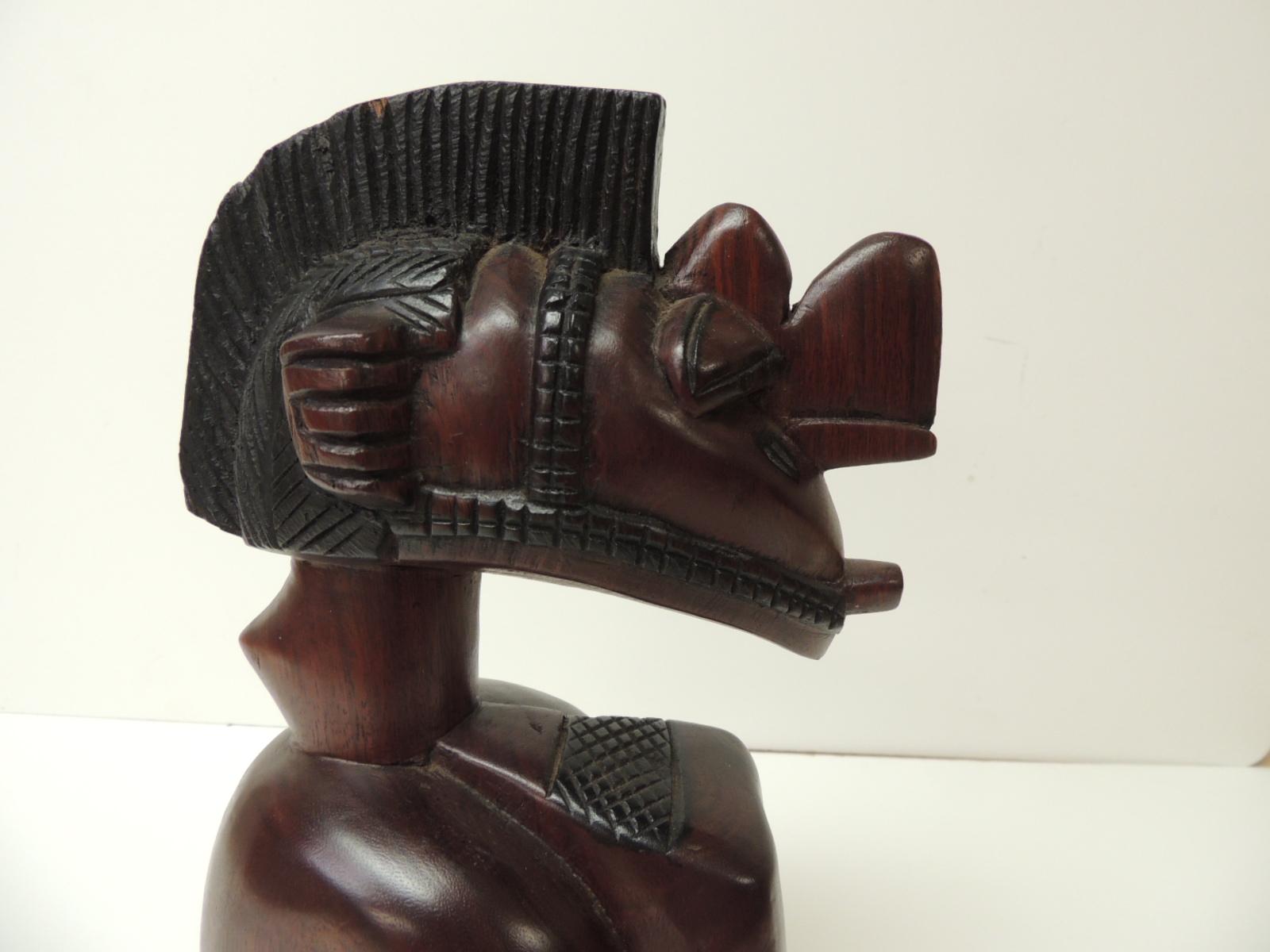
Shape-Shifters and the Uncertainty of Appearances
A recurring anxiety across many of these traditions concerns beings who cannot be identified by sight — spirits and witches capable of wearing an ordinary human face while concealing something else entirely. Among various Central and Southern African traditions, were-hyena and were-leopard beliefs describe individuals said to transform at night to hunt, harm rivals, or carry out sorcery, before returning to unremarkable human form by morning. In some West African traditions, similar beliefs attach to were-lions or were-crocodiles, often connected to specific lineages or secret societies said to hold the knowledge of transformation.
What unites these shape-shifter traditions across otherwise very different regions is less the specific animal involved than the underlying unease they articulate: that danger doesn’t always announce itself, and that the people closest to you are not always fully knowable. This is a genuinely universal folkloric anxiety — versions of it appear in werewolf traditions across Europe, in kitsune folklore in Japan, in skinwalker beliefs among various Indigenous American traditions — but the African variants tend to be woven especially tightly into questions of lineage, inheritance, and social standing, with transformation abilities frequently described as something passed down within specific families or acquired through initiation into particular spiritual practices, rather than a random affliction that could befall anyone.
As with the adze and obayifo traditions discussed above, it’s worth being clear-eyed about the fact that shape-shifter accusations have, in various documented periods and regions, contributed to real social conflict and violence directed at accused individuals — another instance where a rich and genuinely fascinating body of folklore intersects with a harder, less comfortable history of how supernatural belief can be turned against real people during periods of social stress, land disputes, or unexplained tragedy within a community.
The Grootslang, the Popobawa, and Region-Specific Terrors
Beyond the widely recognized categories above, individual regions across Africa preserve their own singular monster traditions, each rooted in local landscape and local anxiety. In South African folklore, the grootslang — Afrikaans for “great snake” — is described as an enormous, ancient serpent-elephant hybrid said to lair in deep caves, sometimes connected to legends of hidden diamond wealth that lures treasure hunters to their doom. The legend is thought by some folklorists to have roots partly in genuine, garbled memory of prehistoric fossil discoveries, reshaped over generations into a still-living monster guarding the earth’s riches.
In Zanzibar and parts of coastal East Africa, the Popobawa is a more recent and unsettling addition to the region’s supernatural landscape — a shape-shifting, bat-winged entity first widely reported in the 1960s and periodically resurfacing since, associated with nighttime assaults on households and described in ways that blend traditional spirit-belief with the anxieties of a specific, more contemporary historical moment. Unlike the older, more settled traditions discussed elsewhere in this entry, Popobawa folklore has been studied by anthropologists partly as a live example of how new supernatural beliefs can still emerge and spread rapidly within a modern media environment, gaining traction during periods of political tension or social anxiety on the island.
These regionally specific figures are a useful reminder that African supernatural folklore isn’t a single, closed canon finished centuries ago — it’s an ongoing, responsive tradition, capable of generating new figures in response to new anxieties, right alongside the older, more established beings that have been passed down for generations.
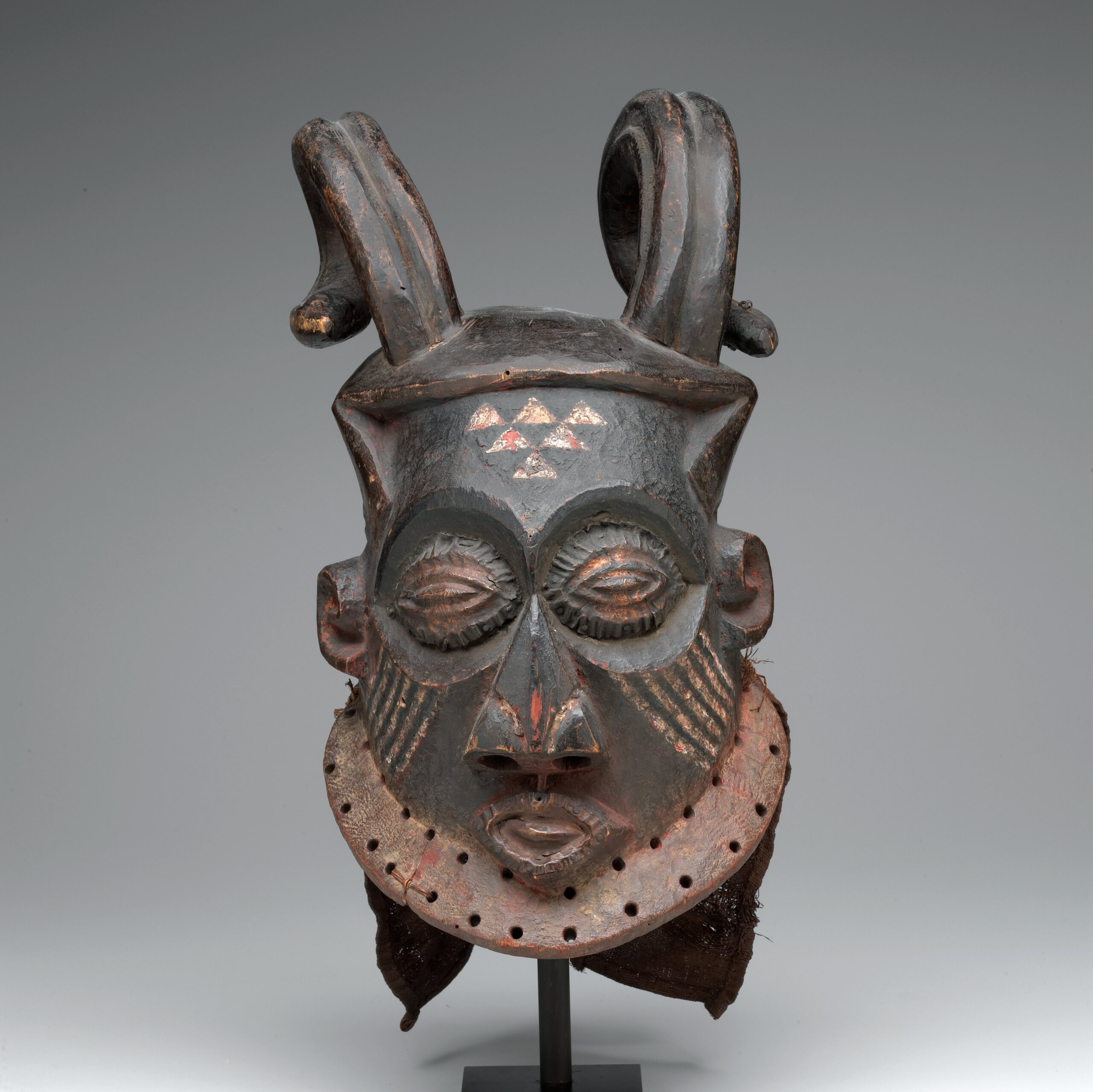 Nyaminyami and the Spirits of Landscape
Some supernatural beings in African folklore are tied so closely to a specific place that they function almost as the personality of the landscape itself. Nyaminyami, the river god of the Tonga people along the Zambezi River, is described as a serpentine or dragon-like being who governs the Zambezi’s waters and was believed to have been deeply angered by the construction of the Kariba Dam in the 1950s, which flooded ancestral Tonga land and separated Nyaminyami from his mate, said to reside downstream.
According to Tonga tradition and popular retellings that persist to this day, a series of construction disasters, floods, and engineering failures during the dam’s building were attributed directly to Nyaminyami’s wrath at the disruption of the river and the displacement of the Tonga people it caused. Whatever one makes of the supernatural claim itself, the underlying grievance was very real: tens of thousands of Tonga people were forcibly relocated to make way for the dam and reservoir, with lasting economic and cultural consequences that communities are still reckoning with. The Nyaminyami legend, in that light, functions as something more than a monster story — it’s a form of collective memory and protest, encoding a specific historical injustice into a supernatural narrative that keeps the grievance alive and legible across generations, long after the original decision-makers have left the scene.
What These Beings Are Actually Doing
Step back far enough from any individual legend, and a pattern comes into focus: African supernatural folklore, across its enormous regional variety, tends to cluster around a fairly small set of underlying functions.
Explaining the unexplainable. Illness, infant death, drought, and sudden misfortune all needed accounting for in eras before germ theory, meteorology, or modern medicine could offer alternative explanations. Spirits and monsters filled that gap — not always accurately, and sometimes with real social cost, but coherently and consistently.
Regulating behavior around genuine hazards. Water spirits policing rivers, ancestral spirits policing family obligation and respect — these figures frequently map onto real dangers or real social needs, giving abstract risks a face and a set of rules that a purely practical warning might not carry with the same weight.
Processing grief and loss. From ancestral veneration to the abiku/ogbanje tradition, an enormous amount of this folklore is doing quiet, serious emotional work: making sense of death, keeping the deceased present in some form, and giving communities a shared language for mourning.
Encoding historical memory and grievance. Nyaminyami’s anger at the Kariba Dam is a clear example of how a supernatural narrative can function as protest and historical record simultaneously, preserving a community’s account of an injustice in a form that outlives the individuals who lived through it.
Marking the boundary between the human and the unseen — and occasionally being weaponized against real people. It’s important not to romanticize this category of folklore uniformly. The same beliefs that offer explanation and comfort have, in documented cases, also been used to justify real harm against vulnerable individuals, particularly through witchcraft accusations. Any honest treatment of this material holds both realities at once.
A Living, Contested Tradition
Belief in and engagement with these spirits and beings is by no means confined to the past. Traditional healers across much of the continent continue to draw on this cosmological framework in active practice today, and these figures remain vivid presences in contemporary African literature, film, and art, frequently reworked by artists exploring questions of identity, colonialism, and cultural memory rather than simply retold as static folklore. Nollywood cinema, in particular, has drawn heavily and repeatedly on this supernatural vocabulary — water spirits, ancestral curses, shape-shifters, and witchcraft accusations remain recurring narrative engines across thousands of films, introducing these figures to new generations of viewers both on the continent and across its global diaspora, often in updated, urbanized settings that place age-old spiritual anxieties squarely inside contemporary city life. Christianity and Islam, both deeply established across the continent for centuries, coexist with these traditions in complex ways — sometimes in tension, sometimes syncretized, sometimes running in parallel within the same individual or community, with many people moving fluidly between formal religious practice and older spiritual frameworks depending on the situation at hand.
The next entry in this series, FO-06, turns to a category of folklore that often overlaps with what’s been covered here: tricksters, and the particular kind of wisdom that African storytelling tends to hide inside their schemes. But the spirits and monsters explored in this entry are worth sitting with on their own terms first — not as superstition to be explained away, but as one of the primary tools a huge range of African societies have used, for a very long time, to make sense of everything ordinary explanation couldn’t quite reach.
