

“A river does not forget its source, even when it has traveled far from it.”
For most of its long history, African folklore lived in the air rather than on the page — in the voice of a grandmother by firelight, in the call-and-response of a storyteller and her audience, in the memory of a community rather than the pages of a book. That oral foundation gave the tradition an extraordinary durability, but it also meant that for centuries, the vast majority of these stories existed nowhere except in the minds of the people who told and retold them. The twentieth and twenty-first centuries changed that equation dramatically. Colonial-era anthropologists began transcribing tales, sometimes with genuine care and sometimes with careless distortion. African writers, coming into their own literary voice in the mid-twentieth century, began deliberately weaving folkloric material into the emerging African novel. Publishers, filmmakers, animators, and now app developers and game designers have each, in turn, discovered in African folklore a wellspring of story material unlike anything else available to them — ancient, richly populated, morally complex, and, crucially, still largely untapped by the entertainment industries that had spent a century mining European and Asian mythologies for content.
This migration of folklore from the fireside into books, films, comics, and streaming platforms has not been a simple, one-directional process of preservation. It has been a story of adaptation, negotiation, occasional distortion, and, increasingly, reclamation — African creators taking back the right to tell their own inherited stories, on their own terms, for audiences both at home and around the world.
The First Transcriptions: Missionaries, Anthropologists, and Their Complicated Legacy
The earliest written records of African folktales did not come from African hands. They came, for the most part, from European missionaries and colonial-era anthropologists who, beginning in the nineteenth century, began collecting oral tales as objects of study — sometimes out of genuine scholarly curiosity, sometimes as part of a broader colonial project of cataloguing and understanding the peoples being colonized. Figures such as the British colonial administrators and missionaries who compiled early collections of Yoruba, Hausa, and Zulu tales performed a service whose value is difficult to overstate: without their transcriptions, some tales might have been lost entirely as social disruption, displacement, and the pressures of colonial rule eroded traditional storytelling contexts in various communities.
Yet this first wave of transcription came with serious distortions built into its very foundation. Tales collected by outsiders were frequently stripped of their original performance context — the songs, the audience participation, the physical gestures and vocal shifts that gave a story much of its meaning and emotional power in oral performance simply could not survive translation onto a static page. Worse, many collectors approached these tales through a lens that treated them as curiosities or evidence of a supposedly “primitive” worldview, rather than as sophisticated literary and philosophical achievements in their own right. Some transcriptions altered content to fit European narrative expectations, smoothing over ambiguities that African audiences would have understood perfectly well, or adding moralizing conclusions that flattened stories originally designed to provoke discussion rather than deliver a single tidy verdict.
The legacy of this first wave remains complicated. These early collections preserved material that might otherwise be lost, and they gave later African writers and scholars a starting archive to work from, correct, and reclaim. But they also established, for decades, an external and often distorting lens through which the outside world first encountered African folklore — one that African writers of the following generation would spend considerable energy correcting.
The African Novel Reclaims Its Roots
The mid-twentieth century brought a decisive shift, as a generation of African writers, educated in colonial schools but rooted in their own communities’ oral traditions, began deliberately incorporating folklore into the emerging African novel — not as anthropological curiosity but as living literary material, handled with the authority of insiders rather than the distance of outside observers.
Amos Tutuola’s work, drawing extensively and unapologetically on Yoruba oral tradition, brought the logic and texture of folktale directly into novel form, populating his narratives with spirits, shape-shifters, and the episodic, dreamlike structure characteristic of oral storytelling rather than the tightly plotted structure of the conventional European novel. His work provoked intense debate among African critics themselves — some celebrated his fearless embrace of oral form, while others worried that his unpolished English and fantastical content would reinforce exactly the stereotypes earlier colonial collectors had helped create. That very controversy underscored how high the stakes had become: African writers were not simply borrowing folklore for local color; they were fighting over what it meant to represent their own oral heritage on the world literary stage.
Chinua Achebe approached the material differently, weaving proverbs, folk sayings, and the rhythm of oral speech into otherwise realist narrative prose, using folklore less as fantastical content and more as a structuring intelligence — a way of thinking and speaking that shaped how his characters understood their world, made decisions, and justified their actions to one another. His famous observation that proverbs function as the palm oil with which words are eaten captured something essential about how deeply oral tradition had shaped not just African storytelling but African rhetoric and reasoning more broadly.
Writers across the following decades continued this work in countless directions — incorporating trickster figures, creation myths, and ancestral spirit narratives into literary fiction aimed at adult, sophisticated readerships, demonstrating that folkloric material was not a genre limited to children’s stories but a rich vein of literary and philosophical material capable of carrying the full weight of serious adult literature. This literary reclamation mattered enormously, because it asserted, against a century of external mischaracterization, that African oral tradition was not primitive raw material waiting to be refined by outside hands, but a sophisticated literary tradition in its own right, deserving of the same critical seriousness as any written literary canon.
Children’s Publishing and the Global Picture-Book Boom
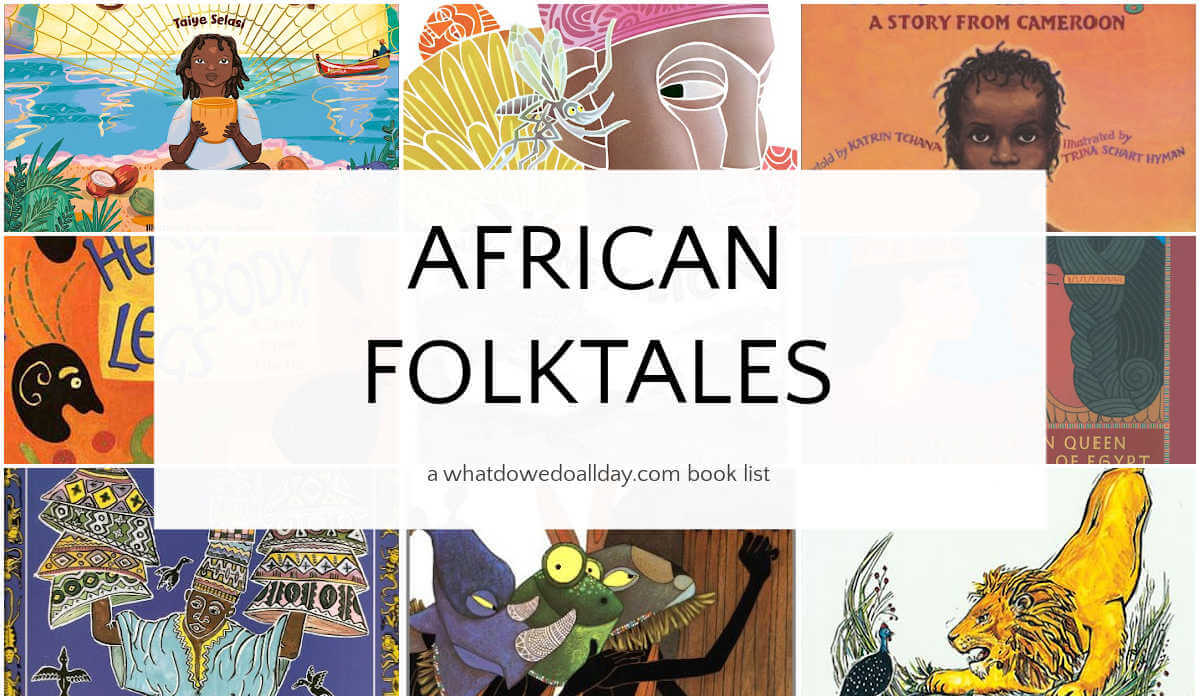
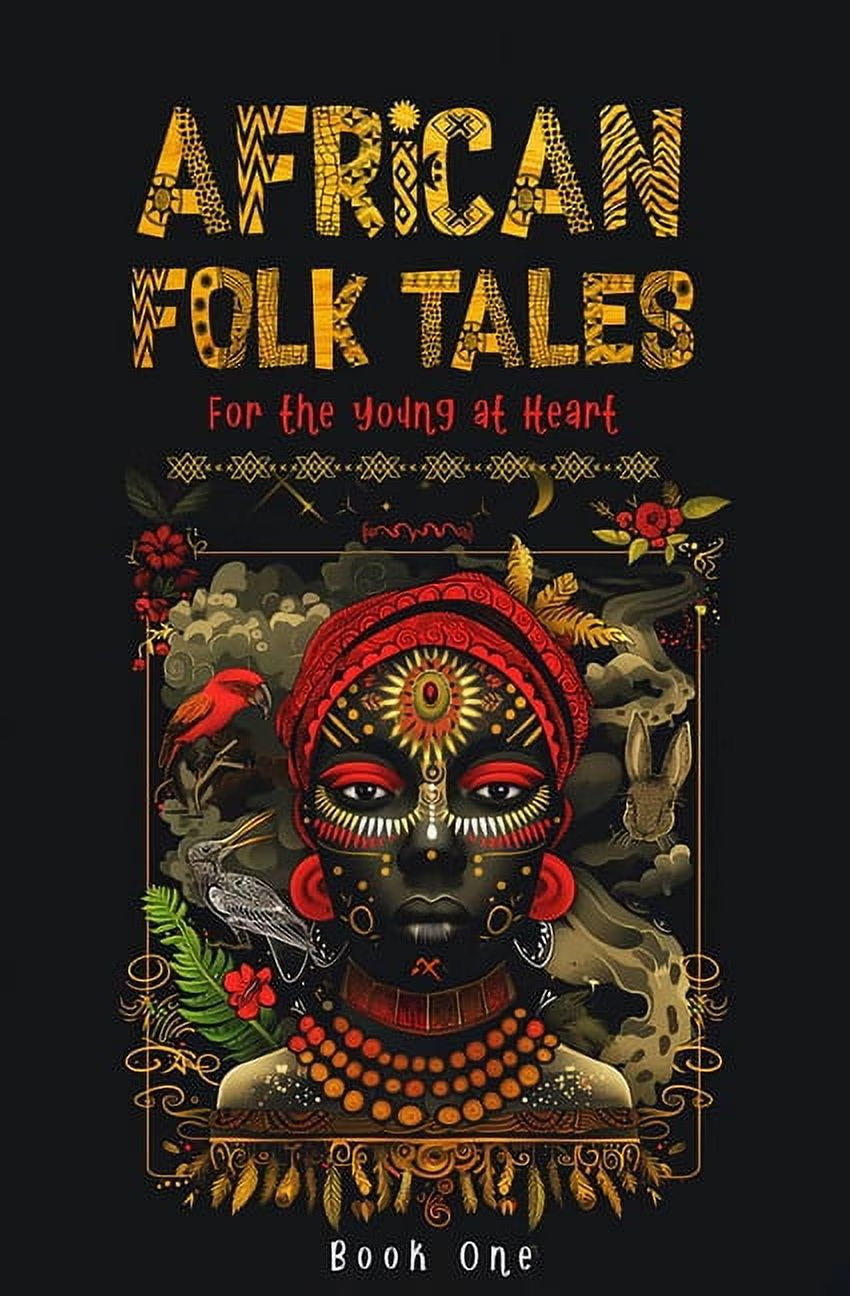
Alongside the literary novel, a distinct and increasingly significant strand of adaptation has taken shape in children’s publishing, where African folktales have found an enthusiastic and growing audience through illustrated picture books, both within Africa and, notably, among diaspora and international readers seeking material that reflects African heritage and imagination.
This publishing movement gained particular momentum from the latter decades of the twentieth century onward, as African and diaspora authors and illustrators began producing beautifully illustrated retellings of trickster tales, origin stories, and hero legends specifically designed for young readers. These books served multiple audiences simultaneously: children within Africa gaining access to their own heritage in a new, portable format that did not depend on the presence of a storytelling grandmother; diaspora children in Europe, the Americas, and elsewhere seeking connection to ancestral culture; and a broader international readership increasingly interested in African stories as part of a wider appetite for global literature in translation and adaptation.
The picture-book format posed its own creative challenges, since so much of a folktale’s original power depended on oral performance elements — voice, rhythm, audience participation, the storyteller’s physical presence — that simply cannot be reproduced on a printed page. The most successful adaptations found ways to compensate through vivid illustration, onomatopoeic language that hinted at the original oral cadence, and author’s notes explaining performance context that a reader encountering the tale silently, alone, would otherwise miss entirely. Some publishers and authors have gone further, producing audiobook and animated companion versions specifically to recapture something closer to the original oral experience, recognizing that a folktale divorced entirely from voice and performance loses something no amount of beautiful illustration can fully replace.
Animation, Film, and the Screen’s New Storytellers
If literature offered African folklore its first major migration beyond the oral tradition, the twenty-first century has brought a second, arguably even more consequential migration: onto film and television screens, both within Africa’s rapidly growing film and animation industries and, increasingly, on major international streaming platforms.
African animation studios have begun producing original series and films drawing directly on indigenous mythology and folklore, introducing trickster gods, ancestral spirits, and legendary heroes to audiences through a medium capable of recreating something closer to the full sensory richness — voice, music, movement, visual spectacle — that oral performance always possessed but that the printed page could only gesture toward. These productions frequently blend traditional folkloric material with contemporary settings and concerns, placing ancient trickster figures or protective spirits into stories that also grapple with modern urban life, technology, and the particular experiences of young Africans navigating a rapidly changing continent.
International streaming platforms have taken increasing notice of this material, recognizing African mythology as a largely untapped source of fresh, distinctive story content in an entertainment landscape that had, for decades, drawn overwhelmingly from Greek, Norse, and other well-mined mythological traditions. This international attention has brought both opportunity and tension: opportunity, in the form of budgets, distribution, and audiences that African creators working purely within domestic markets could rarely access alone; tension, in ongoing debates about who gets to tell these stories, how faithfully international productions represent source material that outside writers and studios may not fully understand, and whether the economic benefits of this new attention flow back to the African creators and communities whose ancestral material is being adapted.
Live-action African cinema has engaged with folklore somewhat differently, often incorporating folkloric elements — spirit possession, ancestral curses, trickster morality tales — into contemporary dramatic narratives rather than producing straightforward folktale adaptations, reflecting how thoroughly these traditional narrative structures remain embedded in contemporary African storytelling sensibilities even when the surface subject matter is entirely modern.
Diaspora Reclamation: Anansi Crosses the Ocean
Perhaps no single strand of this broader migration illustrates the resilience and adaptability of African folklore more powerfully than the survival and transformation of trickster tales, above all Anansi the spider, across the transatlantic slave trade and into the folklore of the Caribbean and the Americas.
Carried across the ocean in the memories of enslaved Africans who had no possessions but retained, against every attempt to strip their culture from them, the stories they had grown up hearing, Anansi survived and adapted in new contexts, sometimes retaining his original name, sometimes transforming into related figures such as Aunt Nancy in parts of the American South, or blending with other trickster traditions encountered in the diaspora. In Jamaica, Anansi stories became so deeply woven into the fabric of local storytelling tradition that they arguably rival any single narrative tradition in shaping the island’s broader oral culture, evolving new plots and local flavor while retaining the essential trickster architecture that made the character recognizable across an ocean and centuries of separation.
This diasporic survival was never passive preservation; it was active, creative adaptation under conditions of extraordinary hardship, as enslaved communities used trickster tales, with their celebration of cleverness triumphing over raw power, to process and quietly resist their own circumstances of subjugation. A story about a small, clever spider outwitting larger, more powerful animals carried an unmistakable resonance for people living under a system that depended entirely on brute force and denied them any official power of their own — the tale itself became a form of coded commentary and quiet resilience, passed down through generations who understood exactly what was being said beneath the surface of a children’s story.
Contemporary diaspora writers, filmmakers, and cultural institutions have increasingly turned back toward this material explicitly, recognizing in Anansi and related trickster figures not simply charming children’s entertainment but a direct, unbroken thread connecting contemporary African-descended communities in the Americas and Caribbean back to specific ancestral traditions on the African continent — a rare and precious form of cultural continuity surviving centuries of forced separation.
Comics, Games, and New Frontiers
The newest chapters in this ongoing migration are being written in comics, video games, and interactive media, spaces where African folklore’s rich cast of characters and morally complex narrative structures have found yet another natural home. Independent and increasingly mainstream comic creators across the continent and its diaspora have begun producing original series drawing on indigenous mythologies, reimagining trickster figures, ancestral spirits, and legendary heroes within contemporary visual storytelling formats that reach audiences, particularly younger ones, who might never encounter these tales through literary fiction or documentary film.
Video game developers, similarly, have begun exploring African mythology as source material for original game worlds, recognizing in these traditions the same qualities that have long made Greek, Norse, and Japanese mythology such fertile ground for game design: richly imagined characters, clear rule-bound magic systems, morally ambiguous trickster figures perfectly suited to complex player choice mechanics, and origin narratives capable of anchoring expansive fictional universes. This remains a comparatively young frontier, with African-mythology-inspired games still representing a small fraction of the broader industry, but the trajectory points toward substantial future growth as both African game studios and international developers increasingly recognize the creative potential of this largely untapped material.
Whose Story Is It? The Ongoing Question of Authenticity
Running beneath all of this creative flourishing is a persistent and important question: as African folklore moves further from its oral origins and into commercial literature, film, and digital media, who controls how these stories are told, and to what extent do adaptations remain faithful to — or depart meaningfully from — the communities and traditions from which they originated?
This question carries particular weight given the history of external, often distorting transcription described earlier in this article. African creators, scholars, and cultural institutions have increasingly pushed for adaptations that involve direct consultation with the communities whose folklore is being used, proper attribution and, where appropriate, compensation flowing back to originating communities, and a basic insistence that adaptations be produced with genuine understanding of the cultural and moral context these tales originally carried, rather than treating them merely as exotic surface aesthetics detached from their meaning. International productions, particularly those made by studios and creators outside Africa with limited direct connection to source communities, have faced growing scrutiny on precisely these grounds, part of a broader and ongoing conversation across the global entertainment industry about how mythological and folkloric material rooted in specific living cultures should be handled by outside adapters.
This tension is not a sign that African folklore’s migration into new media has gone wrong; if anything, it is a sign of how seriously these stories are now being taken, both by the communities who have always owned them and by an international audience finally recognizing their value. The debate itself is evidence of a tradition being treated, at last, with the same seriousness long extended to other mythological canons.
An Unbroken Thread
What is perhaps most remarkable about this entire migration — from fireside to page, from page to screen, from screen to game console and comic panel — is how much of the original tradition’s essential character has survived the journey. The trickster still outwits the powerful. The small animal still defeats the large one through patience rather than force. The proverb still closes the tale, inviting reflection rather than delivering a flat verdict. The moral complexity that made Anansi and Ijapa such enduringly compelling characters, neither purely heroic nor purely villainous, still defines how contemporary adaptations approach these figures, whether on a printed page, an animated screen, or an interactive game world.
This continuity suggests something important about the underlying strength of the original oral tradition: its narrative architecture was sophisticated enough, and its moral vision clear-eyed enough, to survive translation across languages, media, oceans, and centuries without losing its essential shape. The fire that once gathered children in a village courtyard has, in a sense, simply changed form — flickering now on a page, a screen, or a glowing device — while the stories it illuminates continue doing the same essential work they always did: teaching each new generation, in whatever form reaches them, how the clever survive, how the greedy fall, and how a story, told well enough, never really needs to end.
“However far the stream flows, it never forgets its spring.”
