

The Maasai: Pastoralism and Identity
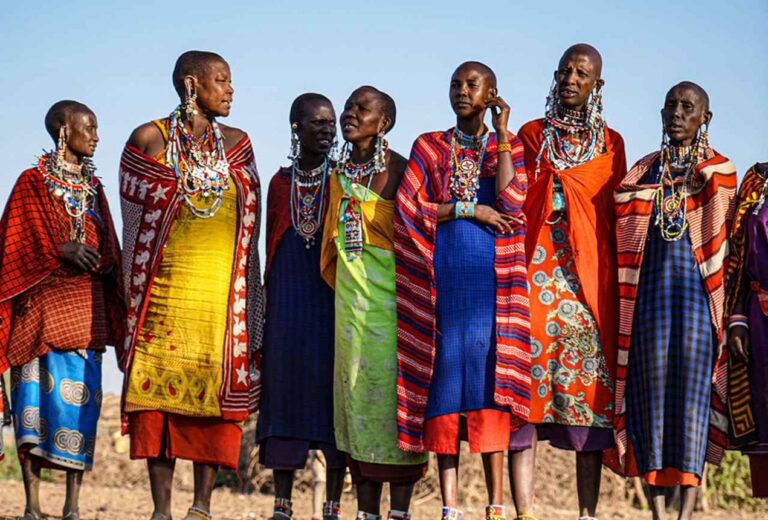
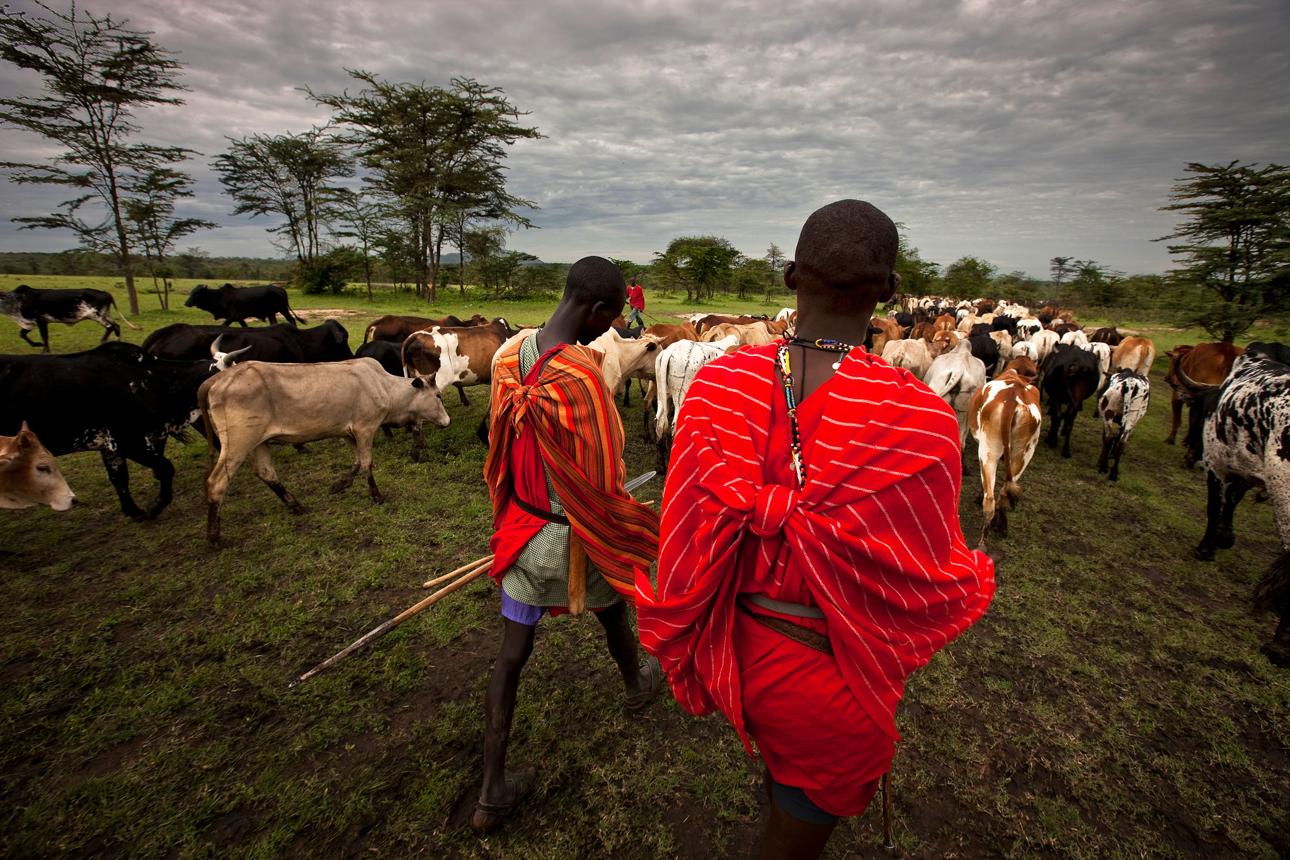
Across the grasslands of Kenya and northern Tanzania, the image of Maasai herders moving alongside cattle has become one of the most recognizable cultural images associated with East Africa. Their distinctive clothing, beadwork, ceremonies, age-set traditions and close relationship with livestock have attracted worldwide attention.
Yet the Maasai are much more than the familiar image presented in photographs and tourism campaigns. They are a diverse East African people whose history is closely connected to pastoralism, land, cattle, family, community and adaptation to changing environments.
For generations, livestock have occupied an important position within Maasai society. Cattle in particular have provided food, wealth and social value. Herding has shaped settlement patterns, relationships between communities and the movement of people across seasonal landscapes.
Pastoralism, however, should not be understood simply as wandering from one place to another. It is a sophisticated way of organizing life around environmental conditions. Pastoral communities observe rainfall, pasture, water availability and livestock health. Their movements can follow seasonal patterns developed through generations of environmental knowledge.
The Maasai also have a rich social structure based on age, family and community relationships. Age-set systems organize people into different stages of life, while ceremonies mark transitions and reinforce communal identity.
Their cultural identity has also changed over time. Colonial boundaries, conservation policies, land pressures, education, urbanization, tourism and modern economic opportunities have all affected Maasai communities. Despite these changes, many Maasai continue to maintain important aspects of their cultural heritage.
Understanding the Maasai therefore means looking beyond stereotypes and exploring how pastoralism, identity and adaptation have shaped one of East Africa’s most distinctive cultural traditions.
Who Are the Maasai?
- Origins & Language: The Maasai are a Nilotic-speaking people primarily associated with southern Kenya and northern Tanzania. Their language, Maa, belongs to the Eastern Nilotic branch of the larger Nilo-Saharan language family.
- Geographic Distribution: Maasai communities are distributed across a broad region rather than concentrated within one modern nation.
- Pre-colonial Identity: The modern border between Kenya and Tanzania does not represent the historical boundaries of Maasai cultural territory. People, livestock and communities have historically moved across landscapes that today fall within two different countries. Consequently, Maasai identity predates the modern national borders imposed during the colonial period.
A People of the East African Rift
- Environmental Setting: Much of the traditional Maasai landscape lies within and around the East African Rift region, which includes grasslands, savannas, volcanic landscapes, mountains and seasonal water sources.
- Ecological Adaptation: The region supports large populations of wildlife and livestock. Pastoralism developed as a way of making productive use of landscapes where rainfall can be highly seasonal. Instead of depending entirely on permanent agricultural fields, pastoral communities can move livestock toward areas where pasture and water are available.
The Importance of Pastoralism
- Economic & Social Role: Pastoralism is at the center of traditional Maasai economic life. Cattle provide milk and, under particular circumstances, meat.
- Wealth & Security: Livestock functions as a form of wealth, representing economic security and social standing.
- Social Connections: Cattle may also be transferred through marriage arrangements and other social relationships, making livestock deeply connected with Maasai social life rather than just an economic commodity.
Cattle and Maasai Identity
- Cultural Education: The relationship between people and livestock begins in childhood. Young people learn how to care for animals, identify individual cattle and understand grazing environments.
- Intergenerational Bonds: Knowledge of livestock is part of cultural education. A herd can become a living connection between generations, as animals inherited from parents or grandparents carry memories and family histories.
Pastoralism Is Not Simply Nomadism
- Complex Livelihoods: Pastoral communities are not always completely nomadic. They can maintain established settlements while moving livestock seasonally.
- Economic Adaptation: Some households practice a combination of pastoralism and agriculture, while others participate in wage employment, trade or tourism. Their economic practices adapt to environmental and political changes.
Seasonal Movement & Environmental Knowledge
- Impact of Climate: Rainfall patterns strongly influence pastoral life. During periods of adequate rainfall, pasture is widely available; during drought, water and grazing become limited, requiring herders to travel farther.
- Traditional Knowledge Systems: Successful herding requires detailed knowledge of plant species, water sources, weather patterns, livestock diseases and grazing conditions. This knowledge is passed down through observation and experience, demonstrating that the landscape is a space filled with ecological information.
Maasai Social Organization
- Social Framework: Maasai society is traditionally organized through family relationships, age groups and broader community institutions rather than relying solely on centralized political institutions.
- Life Stages: People move through socially recognized stages during their lives, which create specific responsibilities and expectations.
The Age-Set System
- Generational Structure: People born within particular periods belong to the same age group or age-set. Members develop strong relationships with one another, and their responsibilities change as they progress through different life stages.
Young Warriors (Moran)
- Roles & Responsibilities: The Maasai warrior, commonly known as a moran, historically had responsibilities associated with protecting communities and livestock.
- Life-Cycle Phase: The warrior stage was part of a broader life-cycle system and community participation, rather than a permanent military profession.
From Warriorhood to Elderhood
- Governance & Authority: The transition toward elderhood brings greater involvement in decision-making and community affairs. Elders possess important knowledge about history, family relationships, land and customary practices, providing guidance and authority to the community.
The Role of Women
- Community & Economic Contributions: Women participate in household management, childcare, food preparation, economic activities, livestock-related tasks, and the construction and maintenance of homes.
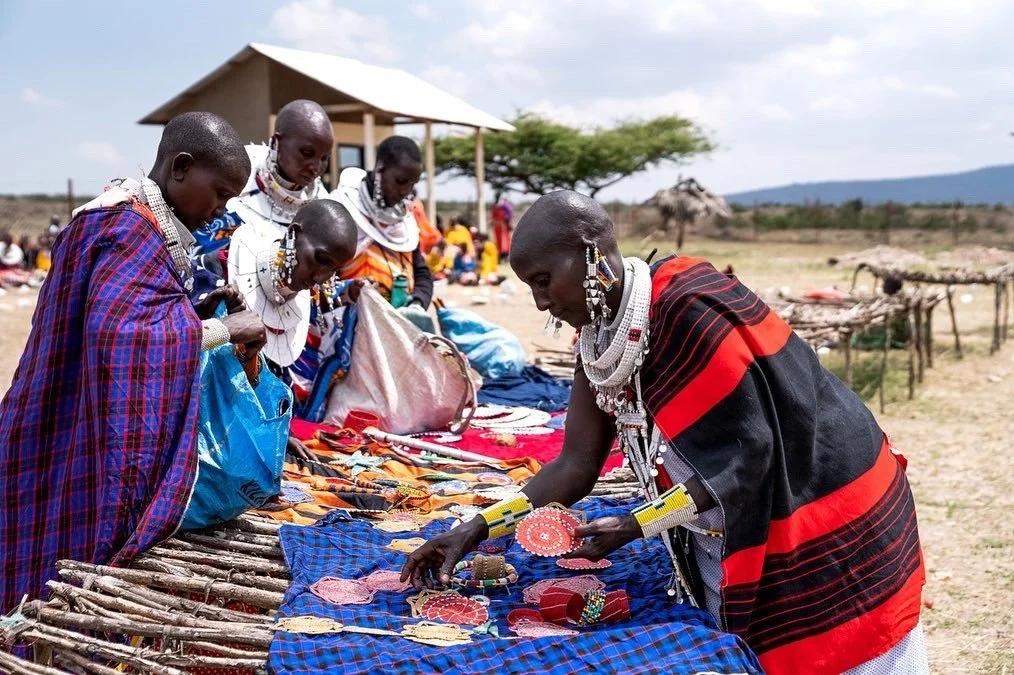
- Artistic Traditions: Women have developed an important artistic tradition through beadwork, which also holds economic significance.
Maasai Beadwork
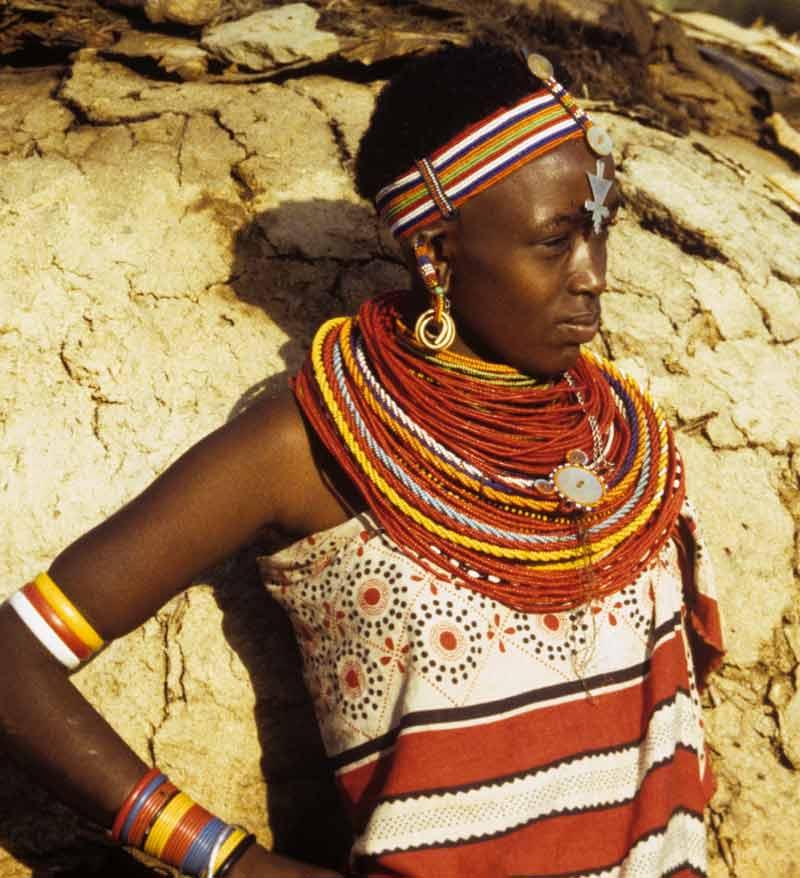
- Visual Language: Necklaces, bracelets, earrings and other ornaments feature elaborate arrangements of colored beads that communicate age, social status, marital status and community identity.
- Economic Opportunities: Beadwork provides opportunities for women to generate income, allowing a traditional art form to participate in modern markets.
Clothing and Visual Identity
- The Red Shuka: The traditional shuka is a wrapped cloth worn in different ways. Red is prominent, though blue, black, white and other colors are also used. Modern clothing may combine traditional styles with commercial fabrics.
- Social Communication: Clothing and jewelry function as a social language that communicates age, gender, social position and ceremonial status.
Maasai Housing & Settlements
- The Enkaji: Traditional houses are built by women using locally available materials such as mud, sticks and grass.
- The Manyatta: Homes are organized within communal settlements known as a manyatta, arranged around a shared area where livestock can be kept safely.
- Modern Housing: Settlements vary greatly today, with some communities living in permanent houses built from brick, concrete or other modern materials.
Spiritual Traditions & Beliefs
- Enkai: Traditional religious life centers on Enkai, the supreme deity associated with the natural world.
- Significance of Rain: Rain holds particular spiritual and survival significance because of its direct connection to pasture, livestock and human life.
- Spiritual Authority: Elders maintain community traditions, advise younger generations, participate in ceremonies and help settle disputes, connecting spirituality directly with daily social organization.
Ceremonies and Rites of Passage
- Life Transitions: Ceremonies mark major life transitions including birth, initiation, marriage and movement into elderhood, reinforcing community relationships and transmitting knowledge.
- The Eunoto Ceremony: Marks the transition of young warriors into elderhood, representing a major social transformation and shift in responsibilities.
Family, Marriage, and Education
- Marriage Practices: Traditional marriage involves relationships between families and communities, with cattle and wealth tied to arrangements. Modern legal systems, education and changing economic conditions continue to influence these practices.
- Cultural & Formal Education: Children learn through everyday observation, animal care, storytelling and songs. Today, many children participate in both traditional cultural education and formal schooling.
Oral Traditions, Music, and Performance
- Preserving Knowledge: Stories, songs and spoken histories preserve information regarding families, historical events and moral values.
- Music & Solidarity: Group singing with coordinated rhythms and repeated melodic patterns accompanies ceremonies and celebrations, reinforcing community solidarity.
Wildlife, Conservation, and Land Issues
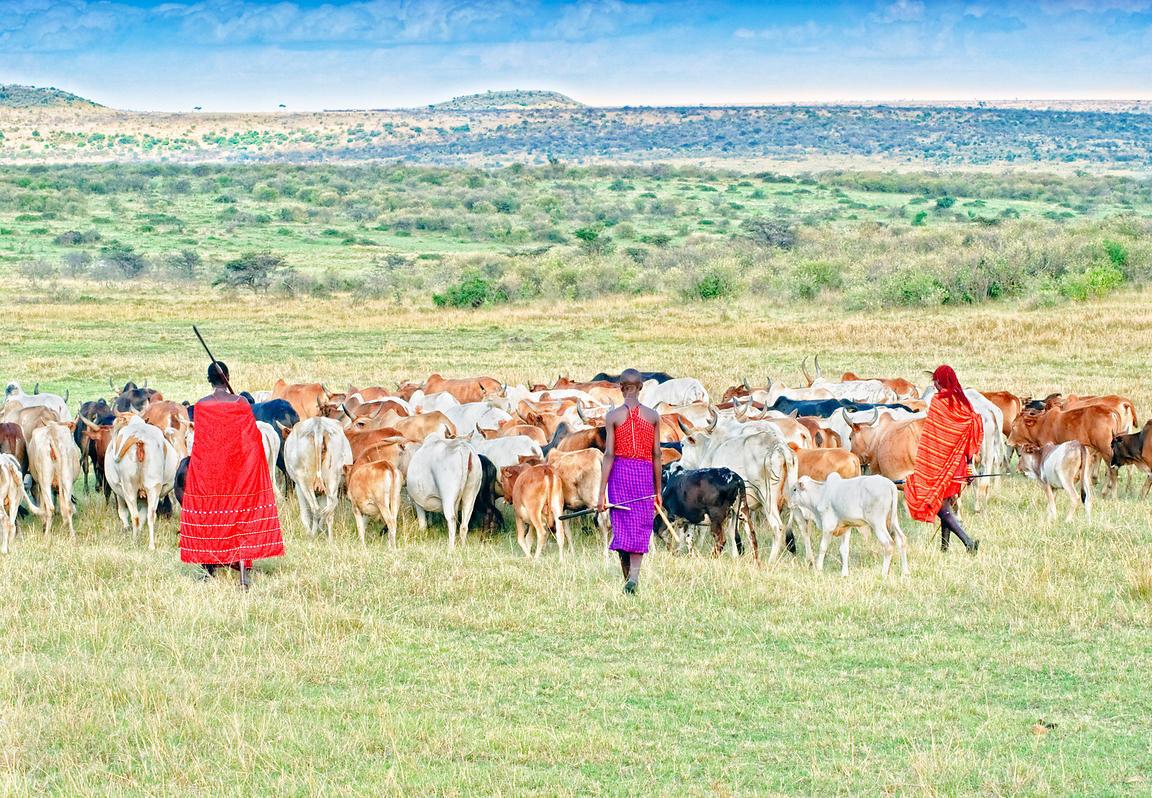
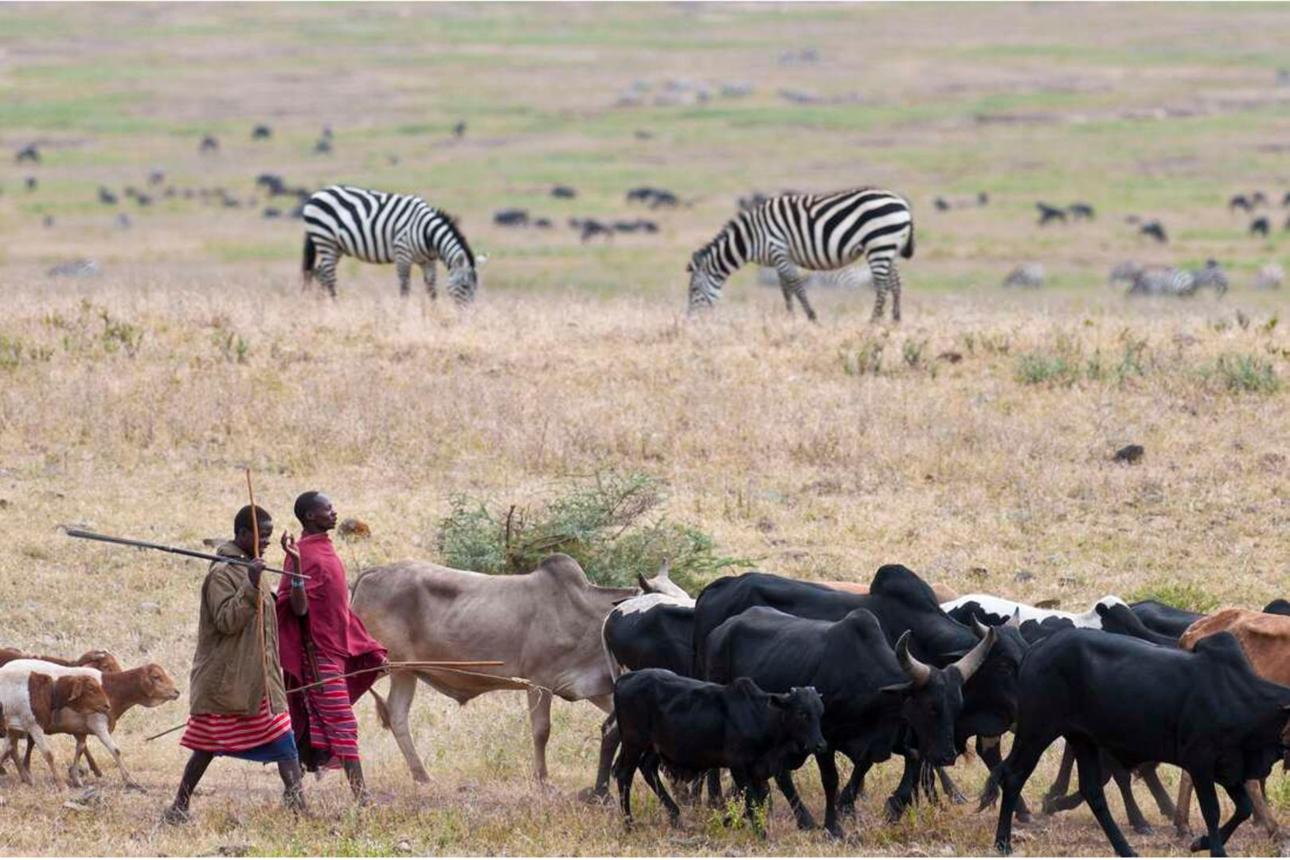
- Coexistence with Wildlife: Maasai territory overlaps with famous wildlife landscapes like the Maasai Mara in Kenya and the Serengeti in Tanzania.
- The Maasai Mara: A major tourism destination that provides economic opportunities while raising questions regarding land ownership, access and revenue distribution.
- Conservation Conflicts: The historical creation of national parks displaced some communities or restricted access to grazing lands. Modern conservation increasingly aims to involve local communities in land management.
- Colonial Impact: British colonial administration established boundaries, treaties and reserves that restricted pastoral mobility—effects that still influence modern land debates.
- Modern Land Pressures: Population growth, agricultural expansion, urban development, infrastructure projects and the Kenya-Tanzania border create ongoing challenges for traditional grazing systems.
Adaptation, Change, and the Modern Era
- Climate Change: Repeated droughts threaten livestock herds, prompting herders to adapt by altering herd compositions, seeking alternative income and adjusting grazing patterns.
- Economic Opportunities for Women: Women generate income through beadwork cooperatives, tourism, teaching, healthcare and business.
- Tourism & Stereotypes: Tourism provides employment but can risk presenting Maasai culture as frozen in the past. Responsible approaches view the Maasai as a living, contemporary society.
- Modern Technology: The use of mobile phones and digital financial services helps herders communicate across distances and access markets.
- Urban Maasai: Many Maasai live in cities like Nairobi and Arusha working in business, healthcare, technology and government while maintaining strong rural cultural connections.
- Multilingualism: While the Maa language remains central to identity, many Maasai also speak Swahili, English or other regional languages.
Pastoralism as a Living Heritage
The Maasai represent a dynamic cultural tradition shaped by pastoralism, community, environmental knowledge, social organization and resilience. Behind the familiar images of red clothing, cattle and warriors lies a complex history of adaptation to changing landscapes, political systems and economic pressures.
Pastoralism remains an effective strategy for unpredictable environments, and the survival of Maasai culture relies on the ability of communities to choose how their land, language, traditions and identity continue to evolve in the modern world.
