

The Sacred Table: Food as Cultural Memory, Community Bond, and Ceremonial Language in African Life
In many African communities, food is far more than physical sustenance designed to satisfy simple hunger. It operates as a profound cultural language, a silent yet expressive medium that marks life’s most pivotal transitions, communicates honor, and binds individuals into a collective whole. Food can welcome a newborn child into the warmth of a family, accompany two souls into a marriage covenant, honor unexpected visitors, celebrate a bountiful harvest, restore communal harmony after a period of hardship, and respectfully remember the dead. Through every slice, stir, and simmer, food expresses deep gratitude, unyielding hospitality, core identity, and enduring belonging.
Across the vast expanse of the continent, ceremonial traditions differ enormously. Diverse languages, religious frameworks, ethnic histories, regional climates, and local geographies all shape what people cultivate, how they prepare their meals, and the ways in which food is presented. Yet despite this rich diversity, one fundamental truth resurfaces continuously: the most important moments in human life are almost universally shared through food. A major gathering without a shared meal feels incomplete in many societies, precisely because sitting together over a plate creates a tangible, physical expression of unity.
The ceremonial power of food begins long before a dish ever reaches a guest. The preparation itself functions as an essential stage of the ritual, transforming raw ingredients into a shared social experience. Family members and neighbors gather hours or days in advance to wash, peel, chop, pound, grind, cook, and serve. During these long hours around open fires and prep tables, older relatives naturally pass down specialized culinary techniques to younger generations. In this intimate environment, recipes become far more than mere culinary instructions; they function as living historical documents and primary vehicles through which cultural wisdom moves seamlessly from one generation to the next.
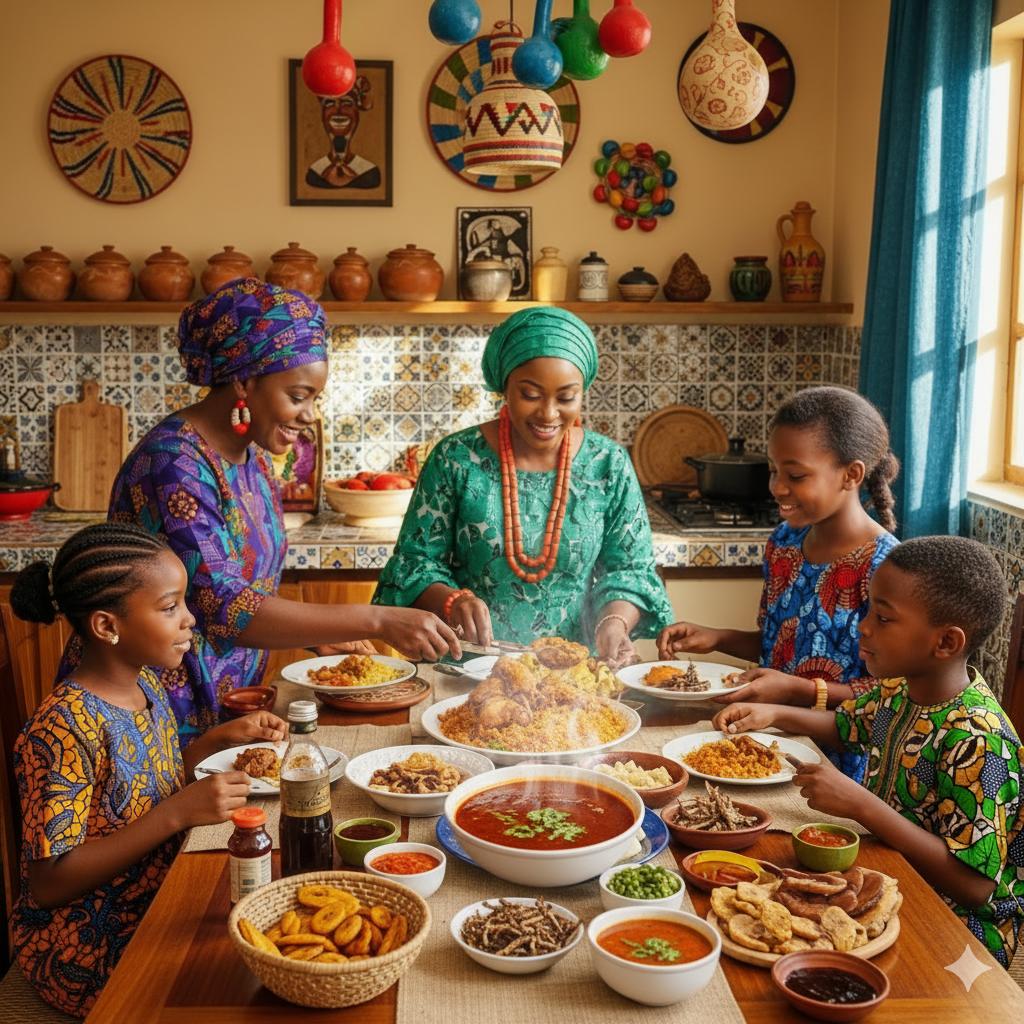
Hospitality occupies a central position within African social structures, serving as a primary measure of character and respect. Offering food to a visitor communicates immediate welcome, safety, and honor. A guest is routinely invited to sit and break bread even when their arrival is completely unannounced. True hospitality does not require extravagant expense or rare delicacies; what matters profoundly is the genuine willingness to share whatever resources are available. A humble dish of grains or root vegetables carries immense social weight when offered with sincerity, establishing an instant bond of trust between host and visitor.
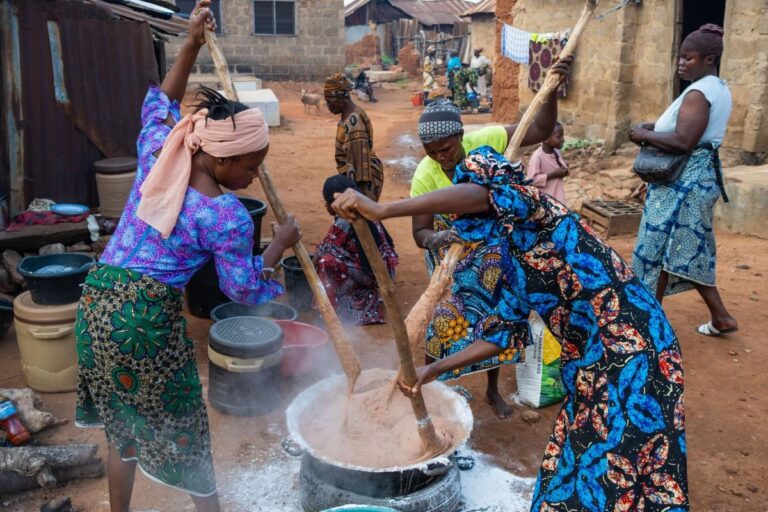
Preparing food for a major ceremonial event fundamentally changes the nature of cooking, shifting it from a quiet domestic chore into a large-scale collective operation. Cooking for a small household requires simple daily planning, but feeding dozens or hundreds of community members demands sophisticated logistics, division of labor, and spatial coordination. Multiple cooking fires are stoked simultaneously, massive iron cauldrons are brought out, and responsibilities are carefully assigned. One group manages the heavy labor of pounding or stirring the primary starch staple, another oversees the complex reduction of spiced soups and stews, while others manage proteins, local beverages, and serving logistics. This collective effort reinforces community identity. Certain signature soups, rice preparations, or fermented drinks are directly tied to specific ethnic lineages or geographic regions, making every feast a portable, edible celebration of heritage—especially for diaspora communities living far from their ancestral homelands.
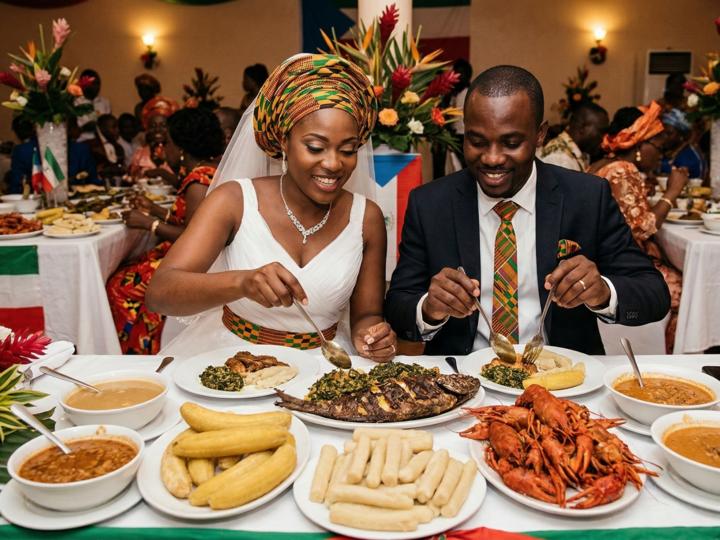
Similarly, weddings represent some of the most food-intensive celebrations across the continent, where the scale, quality, and variety of food served reflect the generosity, planning ability, and social standing of the host families. Wedding culinary preparation routinely begins days before the ceremony, requiring massive market trips, spice blending, and extensive meat processing. Modern African weddings brilliantly bridge generational divides by placing traditional ethnic dishes alongside contemporary global cuisine, honoring heritage while embracing modern culinary tastes.
Agricultural cycles deeply inform ceremonial food traditions, particularly through harvest festivals that celebrate the earth’s yield. The New Yam Festival—known as Iri Ji or Iwa Ji among Igbo communities in southeastern Nigeria—is a premier example of this profound connection to the land. The appearance of the newly harvested yam is met with immense reverence, cultural performances, and communal feasting, acting as a living classroom where younger generations learn the delicate rhythms of planting, harvesting, and soil stewardship.
Religious celebrations across Africa similarly illustrate how faith and local culture interact. During Ramadan, African Muslim communities break their daily fast with Iftar meals that feature rich regional dishes alongside traditional dates and water—utilizing local grains, aromatic fritters, and hearty stews. The subsequent Eid celebrations transform entire neighborhoods into vibrant networks of food exchange. Likewise, Christian celebrations like Easter and Christmas bring extended families together over specialized dishes, demonstrating that while religion provides the sacred occasion, local agricultural heritage defines the menu.
In traditional royal courts and chieftaincy installations, food operates on an even grander scale, expressing history, royal prestige, and political unity. Coronations and palace festivals feature specialized, historic recipes prepared exclusively by royal cooks. These meals provide a rare opportunity for traditional leaders to break bread directly with their subjects, reaffirming political bonds, honoring historical alliances, and celebrating regional identity through time-honored culinary artistry.
Beverages form an essential, complementary half of African ceremonial hospitality, ranging from fresh fruit infusions and hibiscus teas to complex fermented grain drinks and spiced coffees. These drinks represent sophisticated Indigenous food-processing knowledge passed down through centuries of practice. The Ethiopian Coffee Ceremony (Bunna) stands as one of the world’s most sophisticated examples of a beverage transformed into a sacred social ritual. Fresh green coffee beans are washed, roasted over open coals until fragrant, ground by hand, and brewed slowly in a traditional clay vessel called a jebena. Served over three distinct rounds accompanied by warm incense and light snacks, the hours-long ceremony provides an intentional, beautiful space for deep conversation, neighborly reconciliation, and authentic human connection.
Beyond its immense emotional and cultural value, ceremonial food is a massive driver of local economic activity. A single major celebration activates a broad network of micro-enterprises—benefiting smallholder farmers, livestock rearers, open-market traders, spice processors, professional caterers, bakers, event rentals, and transport operators. While modern urbanization has shifted many celebrations from family compounds to commercial event centers managed by professional caterers, the core spirit of ceremonial eating remains remarkably resilient. Traditional dishes continue to dominate modern menus because they offer essential cultural continuity in a rapidly changing world. Furthermore, diaspora communities in cities like London, Toronto, and New York utilize ceremonial foods as powerful cultural bridges, ensuring that younger generations born abroad remain deeply connected to their ancestral roots through the unforgettable flavors of home.
Ultimately, African ceremonial food is about much more than what appears on a plate. It honors the hardworking farmer who cultivated the soil, the grandmother who preserved a delicate recipe, the relatives who traveled long distances to be present, and the community that gathers around a shared table to celebrate life’s greatest moments. Recipes carry identity without formal textbooks, meals preserve history without written words, and shared dishes communicate profound love and hospitality that transcends language. As African societies continue to evolve, the sacred table remains a durable, living monument to human connection, community resilience, and cultural pride.
