


The Masterclass of Simplicity: Demystifying West African Tomato & Pepper Rice
African cuisine is often framed as an elaborate tapestry of long cooking processes, complex spice blends, and ingredients that feel unfamiliar to uninitiated home cooks. While the continent certainly boasts sophisticated celebratory dishes, traditional African home cooking relies heavily on approachable, accessible fundamentals. The heart of everyday cooking is built from simple, high-impact staples: sweet onions, ripe tomatoes, red peppers, aromatic aromatics, grains, legumes, and locally available proteins.
The secret to West African culinary depth does not lie in a long list of ingredients. Instead, it relies on how those elements are layered, reduced, and combined through controlled heat and patience.
This guide provides an accessible introduction to the core principles of West African rice preparation—specifically the iconic tomato and pepper base that powers jollof-style dishes across the region. Rather than claiming to be the single “authentic” standard (as proportions and techniques vary widely across countries, cities, and individual households), this walkthrough breaks down the fundamental mechanics, technique control, and flavor architecture that make West African grain dishes so distinct.
 Deconstructing the Ingredients
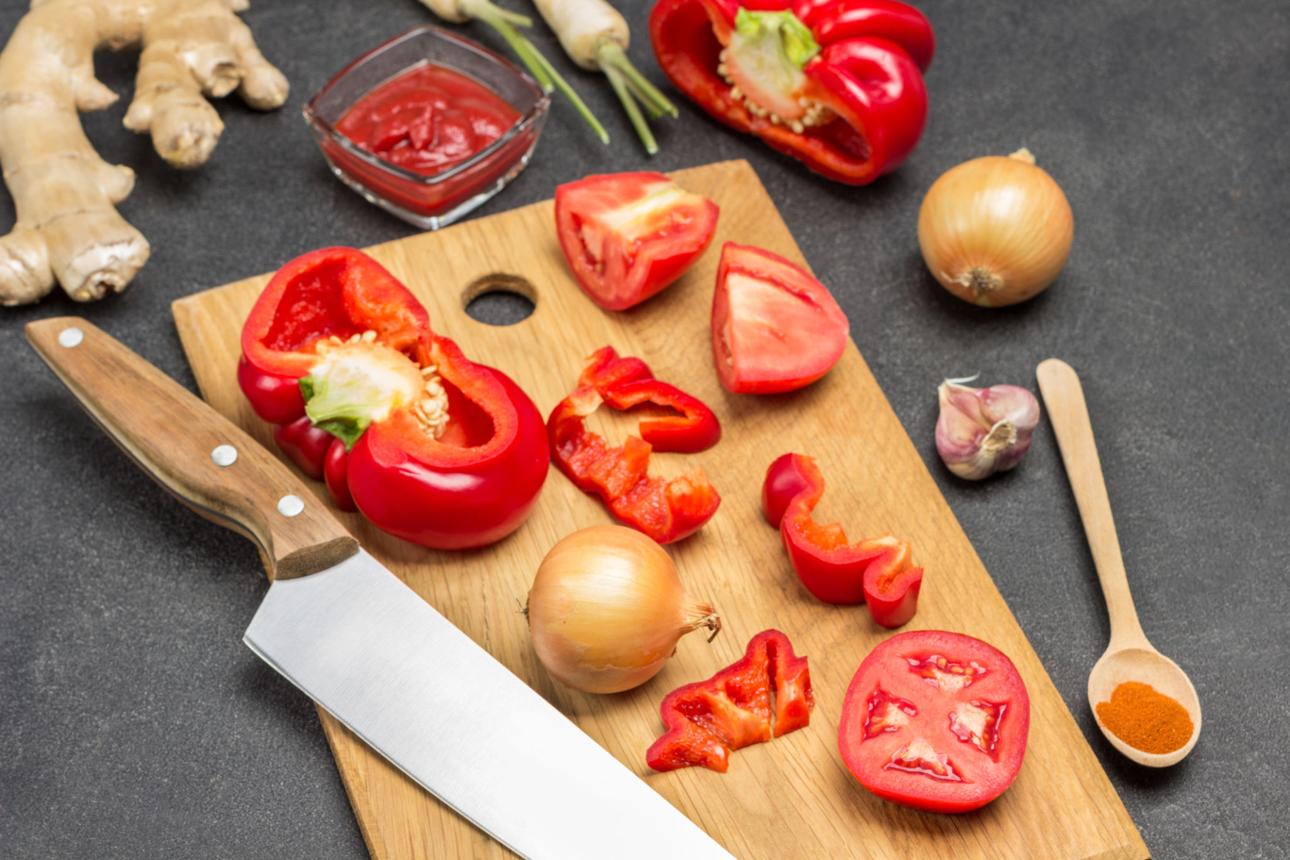
Achieving balanced savory depth requires understanding the functional role each component plays within the pot:
Long-Grain Rice: Serves as the structural foundation. Parboiled or standard long-grain white rice is ideal because its firm texture allows individual grains to remain distinct rather than clumping into a porridge. Washing the rice thoroughly in cold water before cooking is essential to remove excess surface starch.
Tomatoes: Provide acidity, natural sugars, and body. Blending fresh or high-quality canned tomatoes creates the liquid base. Prolonged cooking is required to reduce raw, sharp acidity into a rich, sweet sauce.
Peppers & Aromatics: Sweet red bell peppers give the dish its signature vibrant color and sweet base note, while small chilies (such as Scotch bonnet or habanero) add heat. Sweet onions form the aromatic foundation, while fresh garlic and ginger introduce background warmth.
Tomato Paste: Concentrates the rich red color and deepens the umami quality of the base. Frying the paste briefly in oil neutralizes metallic canned notes and sweetens the mixture.
Cooking Oil & Rich Stock: Oil acts as a crucial heat-conductor and flavor carrier, extracting fat-soluble aromatic compounds from the onions and spices. Rich chicken, beef, or vegetable stock introduces savory depth that the rice absorbs as it swells.
Step-by-Step Flavor Construction
The Aromatic Foundation
Heat a neutral vegetable oil in a heavy-bottomed pot over medium heat. Add thinly sliced onions and sweat them gently until translucent and sweet. Add a small portion of tomato paste directly to the oil and onions, stirring constantly for 2 to 3 minutes to caramelize the sugars and eliminate raw acidity.
The Pepper Reduction
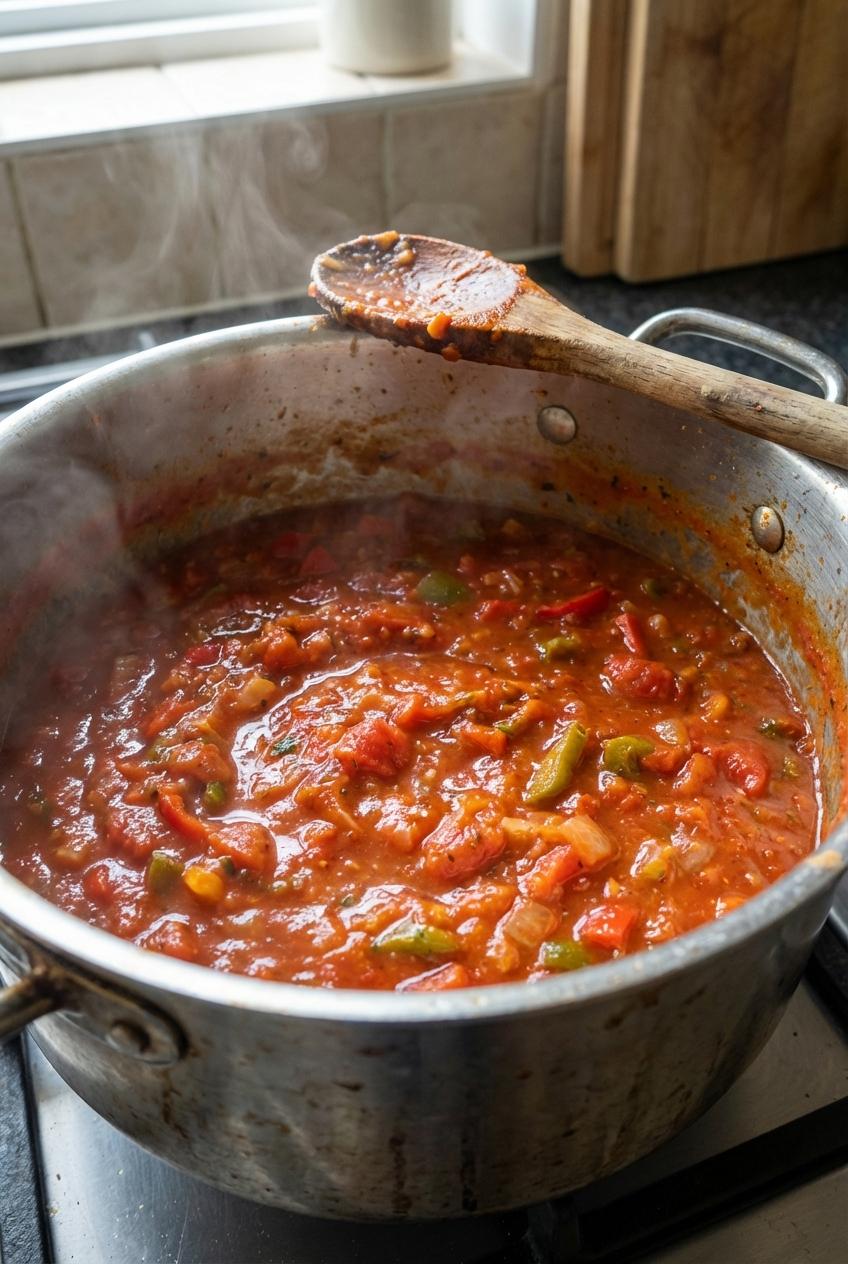
Puree fresh tomatoes, sweet red bell peppers, half an onion, fresh garlic, and ginger until blended (a slightly rustic texture works exceptionally well). Pour this blended mix carefully into the hot oil and caramelized paste. Reduce the heat to medium-low, cover partially to prevent splattering, and allow the sauce to simmer.
This reduction phase is the most critical step in West African cooking. As steam escapes, water content evaporates, concentrating the natural flavors. The sauce is ready when its sharp raw aroma softens, the color deepens into a dark crimson, and fine beads of clear oil begin to separate along the edges of the pot.
Seasoning and Liquid Balancing
Season the concentrated base with salt, curry powder, dried thyme, and a hint of white pepper. Pour in hot, well-seasoned stock and stir thoroughly. Taste the liquid at this precise moment: it must taste bold, savory, and slightly over-seasoned, as the unseasoned rice will absorb a significant portion of the flavor and salt during the steaming process.
 The Absorption and Steaming Phase
Add the thoroughly washed, drained rice into the simmering sauce. Stir gently once to distribute the grains evenly, ensuring the liquid level sits just slightly above the surface of the rice.
Reduce the stove heat to its lowest setting and seal the pot tightly with a lid (placing a layer of foil or parchment paper under the lid helps trap steam inside). Avoid the temptation to stir frequently; excessive agitation breaks down the grains and releases starches, creating a sticky texture. Allow the rice to steam slowly in its own trapped moisture until the grains are tender and fluffy.
Culinary Adaptations and Heat Control
Mastering this style of cooking relies on observation and heat management rather than rigid timers:
Heat Control: Searing onions requires medium heat, sauce reduction demands a steady simmer, and final rice cooking requires gentle, low steam. If the heat is too high during the final stage, the liquid will evaporate before the rice grain softens.
The “Bottom Layer” Flavor: In West African party traditions, a lightly toasted (not black or burnt) layer of rice at the bottom of the pot creates a highly prized, delicate smokiness throughout the dish.
Dietary Flexibility: This technique translates seamlessly across dietary needs. Swap animal stock for rich vegetable stock and incorporate seared mushrooms, sweet peas, diced carrots, or roasted chickpeas toward the end of steaming for a fully plant-based meal.
Calibrating Heat: African food does not have to be uncomfortably spicy. You can completely customize the heat profile by using sweet bell peppers for flavor and color, while keeping hot chilies whole (unbroken) in the pot or eliminating them entirely.
 Serving and Cultural Context
Once the rice is fully cooked, turn off the heat and let the pot rest undisturbed with the lid sealed for 5 to 10 minutes. This resting period allows remaining moisture to redistribute evenly through the grains. Fluff gently with a wide fork or wooden spoon.
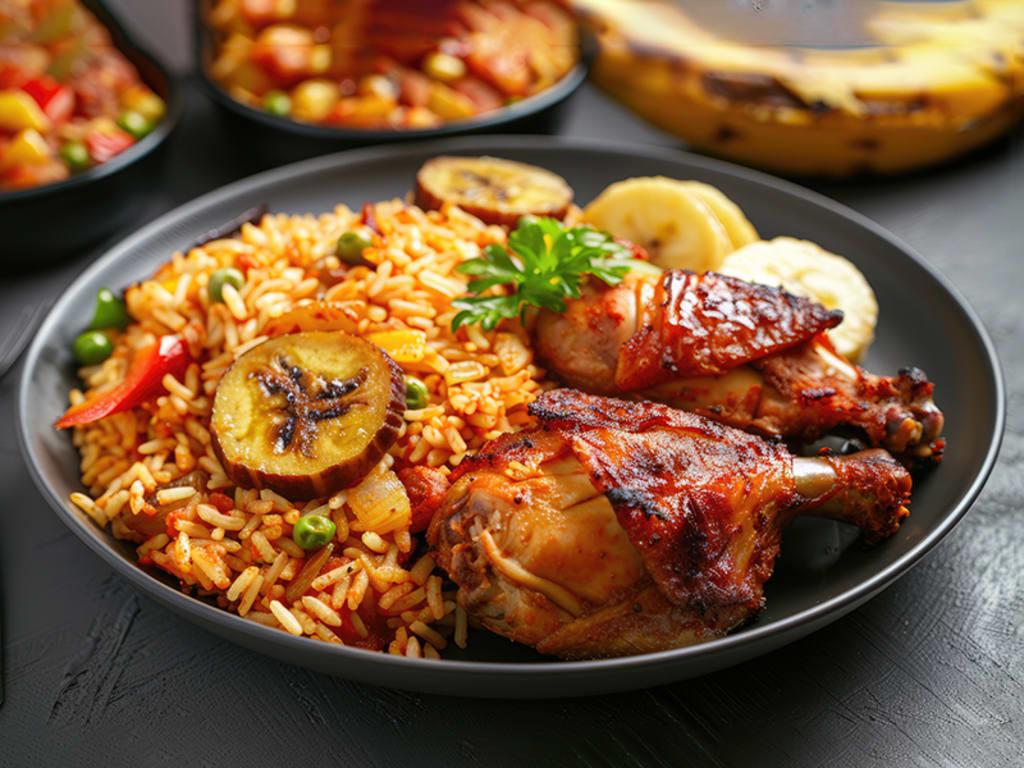
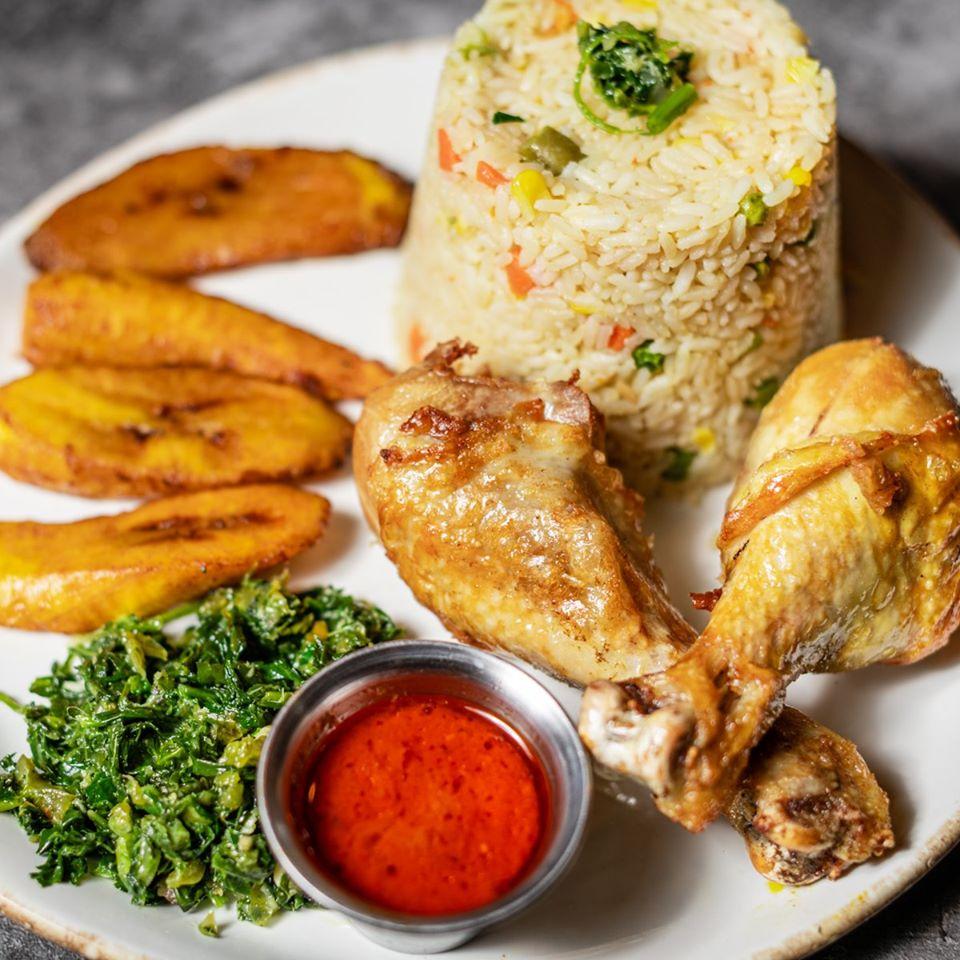
Serve the aromatic rice alongside classic accompaniments that offer contrasting temperatures, textures, and flavors:
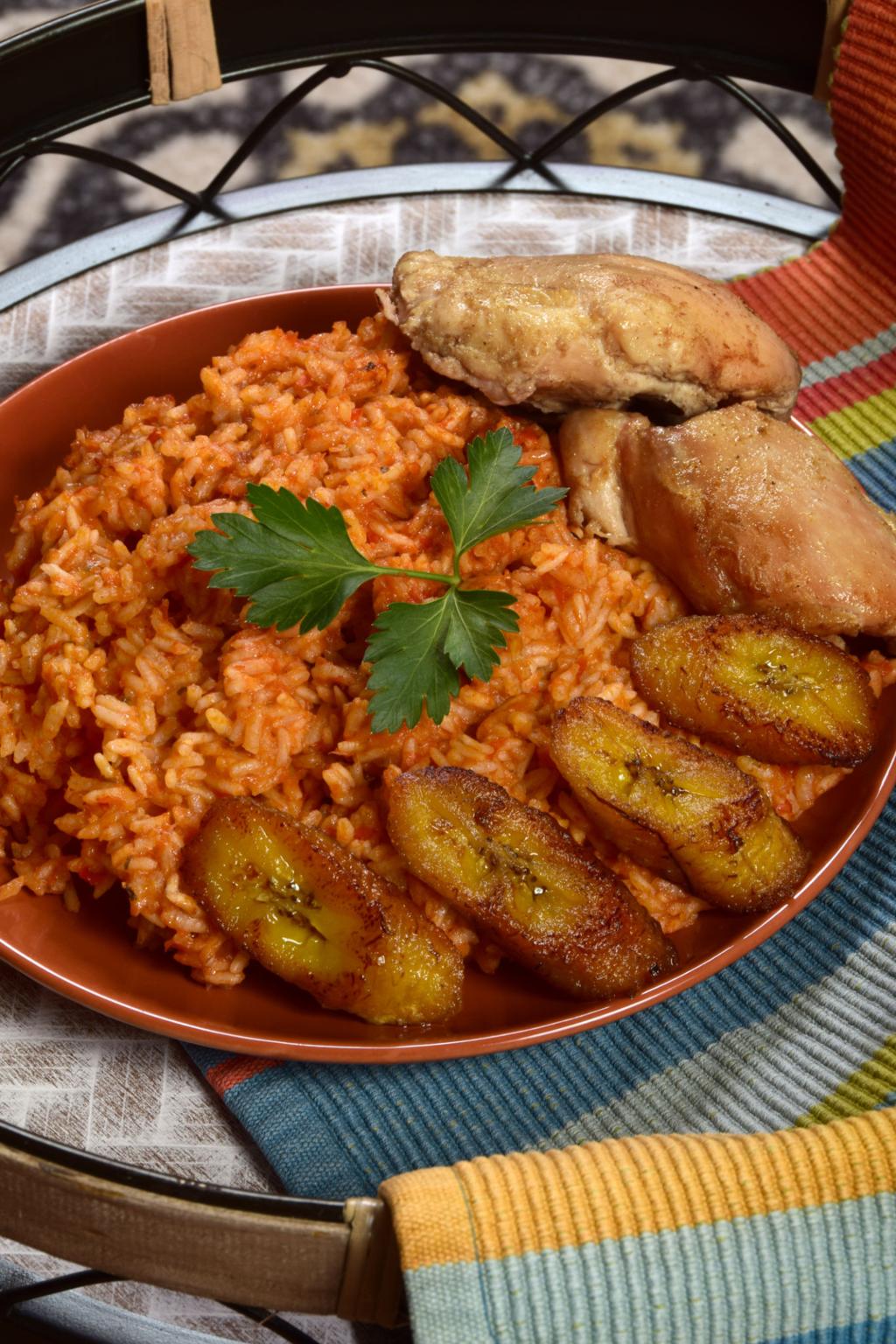
Protein: Grilled or fried seasoned chicken, beef, or fish.
Sweetness: Golden, caramelized fried ripe plantains (dodo).
Freshness: A crisp, simple cucumber, tomato, and lettuce salad to cut through the rich, savory spices.
Ultimately, West African home cooking celebrates adaptability, practical technique, and community sharing. By mastering the fundamental steps of reducing aromatics, balancing liquids, and controlling steam, you unlock a versatile culinary framework that can be adapted to whatever fresh ingredients are available in your home kitchen.
