


The Complete Tapestry of African Culinary Heritage: Spices, Herbs, and the Master Art of Technique
A great African meal is rarely defined by one ingredient alone. The extraordinary depth of flavor found in traditional cooking across the vast continent stems from a deliberate, highly sophisticated synthesis of peppers, herbs, seeds, roots, leaves, unrefined oils, and aromatic spices. Some of these ingredients are cultivated in small domestic kitchen gardens right outside the homestead, others are purchased in vibrant, sprawling local markets, while many others have been traded across trans-Saharan caravan routes and Indian Ocean maritime networks for thousands of years.
These ingredients do far more than simply season a dish or make food taste good. They serve as living, edible historical archives that tell complex stories about geography, agricultural adaptation, ecological diversity, trade routes, and cultural exchange. A pepper variety harvested in the tropical forest belt of West Africa becomes an indispensable structural base for a regional soup. A fragrant spice introduced through ancient global trade routes becomes so deeply integrated into a local community’s kitchen that it defines their national identity. A particular wild herb becomes permanently associated with a specific sacred ceremony, a seasonal milestone, or a beloved family preparation.
Yet, among all these distinct, tangible elements, the single most important ingredient in any traditional African kitchen is not something that can be measured with a spoon, weighed on a scale, or purchased in a market stall. It is the unwritten, ancestral knowledge of the cook. African cuisine is therefore not simply a static collection of raw ingredients. It is an evolving discipline of techniques, precise timing, and intuitive relationships between foods.
The exact same pepper can produce a completely different dish depending on whether it is bruised fresh in a clay bowl, slow-roasted over wood charcoal, sun-dried and ground into a velvet powder, fermented with native cultures, or bloomed in hot, unrefined palm oil. The same spice can be used to impart warmth to a rich meat stew in one region, while being used to perfume a sweet morning tea or season a festive rice dish in another. This dynamic interplay between nature and human technique is precisely what makes African food traditions so extraordinarily diverse, stretching from the pepper-rich, oil-infused coastal soups of West Africa to the complex, aromatic spice pastes of the Horn of Africa, and up to the fragrant, slow-simmered tagines of the North African coast.
The Vast and Diverse Spice Landscapes of the African Continent
Africa is an enormous continent characterized by dramatically different climates, topographies, and soil profiles, which naturally shapes how different regions season their food. The humid, tropical rainforests of West and Central Africa provide ideal conditions for cultivating heat-loving peppers, lush green herbs, oil-bearing palm trees, and wild, aromatic forest seeds. The dry savannas and Sahelian plains support hardy grains like sorghum and millet, nutrient-dense seed pods, and deep-rooted plants capable of enduring dry spells.
The cool, cloud-veiled highlands of East Africa provide unique environments for distinctive crops, wild herbs, and native spices like Ethiopian cardamom, while North Africa has long functioned as a geographic and cultural bridge connected to Mediterranean, Middle Eastern, and trans-Saharan commercial networks. These profound environmental and historical differences help explain why African culinary traditions do not share one universal spice profile. Instead, each distinct region has developed flavor combinations that directly reflect its natural surroundings, native flora, and centuries of human history.
The role of peppers in this vast landscape is particularly significant, as they are among the most recognizable ingredients in many African kitchens. They contribute vibrant heat, rich background aromas, and striking natural color. In West Africa, pepper-based sauces and stews form the absolute core of the daily diet. Different varieties are selected with great care and can be used fresh, dried, roasted, smoked, or ground.
However, peppers should never be understood merely as harsh tools used to make food uncomfortably hot. Their internal flavor structures can be remarkably nuanced and complex. Some varieties offer a bright, tropical, fruity sweetness. Others provide a deep, earthy, or smoky undertone. Some deliver a sharp, immediate heat that flashes across the palate, while others contribute a soft, lingering warmth and rich aroma rather than overwhelming intensity. The true skill of the cook lies in balancing these hot peppers with fats, aromatics, starches, and acidic elements to create a harmonious, well-rounded dish.
In West African pepper traditions, cooks utilize a vast spectrum of local chili varieties. Fresh peppers are frequently crushed or blended together with ripe tomatoes and onions to form the moist flavor base of countless daily meals. Dried peppers are sun-cured and ground into coarse flakes or fine powders that can be stored for months and dusted over food during cooking or used as table condiments. Certain peppers are incorporated into deep, oil-rich marinades to tenderize meats, while others are processed into blistering pepper sauces served alongside grilled fish, fried plantains, or boiled roots.
The simple combination of pepper, onion, and tomato forms the fundamental aromatic foundation of many familiar West African dishes, yet the exact ratios, preparation methods, and cooking times vary substantially between different countries, towns, and even individual households.
Working alongside peppers is the onion, another universally essential aromatic ingredient in African cooking. Onions provide crucial sweetness, sharpness, body, and moisture. They are used with extraordinary versatility across the continent—raw in fresh salads, fried in hot oil to release their sugars, caramelised slowly to build deep color, roasted whole over glowing coals, or blended directly into smooth sauce bases. In many classic stews, onions are the very first ingredient to touch the hot cooking pot, frying gently in oil to establish an aromatic foundation before any other seasonings or proteins are introduced. Their adaptability makes them one of the most hardworking and indispensable items in the African culinary repertoire.
Garlic occupies an equally vital place in many regional food traditions, particularly within marinades, braises, stews, and savory sauces. Its powerful aroma and chemical composition change considerably depending on how it is handled and cooked. When crushed or grated raw into a marinade, garlic provides a sharp, pungent bite that pierces through heavy fats and seasons meats deeply. When cooked slowly in a simmering stew, its sharp edges melt away, producing a softer, buttery, and distinctly sweet character that enriches the surrounding broth. Combining garlic with onions, fresh peppers, and local herbs creates a timeless, highly aromatic foundation that underpins hundreds of traditional recipes.
Ginger is another widely cherished ingredient that spans nearly every region of the continent. It contributes a clean, zesty warmth, a sharp peppery bite, and an unmistakable floral fragrance. It can be finely grated into rich savory sauces, crushed into meat and fish marinades, or boiled whole with wild herbs and local sugars to create invigorating traditional beverages.
The widespread presence of ginger across Africa also beautifully illustrates the enduring legacy of long-distance trade. Although the plant originally originated in Southeast Asia, it was introduced to the African continent centuries ago through maritime trade and trans-Saharan routes. African cooks quickly recognized its culinary and digestive qualities, thoroughly integrating it into local food cultures until it became a staple ingredient that feels entirely native to the continent.
Maritime Trade, Spice Routes, and the East African Coast
Along the sun-drenched shores of the East African coast, the history of seasoning is intimately tied to the Indian Ocean world. For over a millennium, dhows carried traders, sailors, and migrants between East Africa, Arabia, Persia, India, and Southeast Asia. This constant maritime exchange permanently transformed the local culinary landscape, introducing exotic spices that thrived in the warm, humid coastal climate and became deeply woven into the local Swahili culture.

In Swahili kitchens, cloves were used to perfume savory rice preparations, enrich spiced meat broths, flavor festive hot teas, and complement local sweetmeats. Their historical footprint extends far beyond the boundaries of the kitchen pot; cloves are an integral chapter in the maritime, economic, and colonial history of the East African coastline.
Cardamom is another premier aromatic spice associated with Swahili coastal cuisine. Known for its intense, resinous, citrusy, and slightly sweet flavor profile, cardamom is widely used to season fragrant rice dishes such as Swahili pilau, elevate morning teas, and flavor delicate baked goods.
The prominent use of cardamom reflects centuries of uninterrupted cultural interaction between East African coastal towns, Arabian ports, and the western coast of India. Coastal cuisines serve as a vivid, living demonstration of how historical commerce and human migration can permanently transform local foodways, turning introduced ingredients into cherished symbols of local heritage and hospitality.
Cinnamon also occupies an important place in several African culinary traditions, particularly across North Africa and the East African coast. It is frequently used in savory meat stews, rich rice preparations, and complex spice rubs, as well as in traditional sweet dishes and hot beverages.
The usage of cinnamon serves as an important reminder that spices do not always belong exclusively to rigid flavor categories. A spice that is traditionally associated almost entirely with sweet desserts or holiday baking in modern Western contexts may be used with expert precision to build savory depth, warmth, and complexity in meat, legume, or grain dishes across the African continent.
The Master Crafters of Spice Blends: North Africa and the Horn
North African cuisine has developed some of the most sophisticated and globally celebrated spice combinations on the continent. Ingredients such as cumin, coriander seeds, cinnamon, sweet and hot paprika, saffron, turmeric, and ginger appear in countless regional dishes. These fragrant spices are used to season slow-simmered tagines, elevate steamed couscous dishes, enrich fragrant vegetable soups, create complex marinades, and flavor spicy table pastes. The geographic position of North Africa, situated at the crossroads of the Mediterranean Sea, the Sahara Desert, and the Middle East, exposed the region to thousands of years of trade, migration, and cultural synthesis between Amazigh, Arab, Andalusian, Ottoman, and sub-Saharan populations.
One of the most famous North African spice blends is the legendary ras el hanout. The name literally translates from Arabic as “top of the shop,” directly implying a master spice merchant’s finest, most expensive, and most prized combination of seasonings. Importantly, there is no single, rigid, or universal recipe for ras el hanout.
Different spice merchants, family lines, and individual cooks develop their own secret, highly guarded formulas that can contain anywhere from twelve to over fifty distinct ingredients, including exotic additions like dried rosebuds, lavender, mace, and ash berry. This variability is an essential part of the living tradition. A cook selects or crafts a particular mixture based on personal taste, family heritage, or the specific dish being prepared, proving that blending is an expressive art form rather than a static chemical formula.
The construction of any complex spice blend requires exceptional skill, patience, and sensory awareness. A spice blend is never simply a random collection of powders thrown into a bowl together. The precise proportions of each individual ingredient matter immensely, as does the order in which they are processed and the timing of their addition to the cooking vessel.
Certain whole seeds, such as cumin, coriander, and fennel, are gently toasted over dry heat prior to grinding to release their volatile essential oils and deepen their natural aromas. Other delicate spices are ground fresh and added near the very end of cooking to preserve their bright, volatile top notes. Some powerful spices, like cloves or nutmeg, are used in microscopic quantities because their intense aromas can easily overpower an entire dish. The final flavor profile is a delicate, multi-dimensional symphony resulting from the chemistry of multiple ingredients interacting under heat.
Moving south to the Horn of Africa, Ethiopian and Eritrean cuisines provide another world-renowned example of complex, highly sophisticated spice blending. Berbere is the undisputed king of traditional Ethiopian spice mixtures, serving as the foundational flavor engine for dozens of classic dishes.
An authentic berbere blend commonly contains sun-dried, fiery red chili peppers mixed with a complex array of secondary spices, including ginger, garlic, coriander, fenugreek, allspice, wild Ethiopian cardamom (korarima), cloves, and rue. Berbere contributes a rich crimson color, an enticing heat, and an extraordinary, multi-layered depth to slow-simmered meat and legume stews (wots). Its distinct aroma and flavor are so powerful that they are instantly recognizable and universally associated with Ethiopian cultural identity.
The Ethiopian spice tradition brilliantly demonstrates how seasonings can move from being simple background flavorings to becoming the absolute centerpiece of national and regional culinary heritage. In Ethiopian cooking, these complex spice blends are used alongside humble legumes, fresh vegetables, and pasture-raised meats. They possess the magical ability to transform inexpensive, basic agricultural ingredients into luxurious, deeply satisfying, and richly textured feasts. The historical importance of these spices also reflects Ethiopia’s ancient position as a regional trade hub, its diverse microclimates capable of growing unique native herbs, and its deep agricultural history spanning thousands of years.
Fenugreek is another fascinating spice that appears regularly across several African food traditions. It possesses a very distinctive, maple-like yet slightly bitter aroma and a complex flavor profile. In Ethiopian cooking, ground fenugreek seeds are an essential component of berbere and are also used to temper fats and season traditional breads.
In North African cooking, fenugreek is utilized in savory grain dishes and traditional medicinal preparations. Its persistent presence across multiple regions demonstrates how individual botanical species can travel across wide geographic and cultural boundaries, adapting to different local palates while retaining their unique chemical identity.
Coriander is valued equally for its dried, woody seeds and its fresh, bright green leaves. The dried seeds possess a warm, earthy, citrus-like aroma that deepens when toasted, making them a core building block in North African ras el hanout, East African curry blends, and various dry meat rubs.
Conversely, the fresh leaves (often called cilantro) provide a sharp, herbaceous, bright green top note that cuts through rich, fat-heavy sauces. Different African culinary traditions utilize the plant in vastly different ways. In North Africa, both the seeds and leaves are frequently combined in the same tagine, while along the coastal regions, fresh leaves are folded into hot rice or sprinkled over grilled seafood just before serving.
Cumin brings a warm, earthy, slightly bitter, and deeply aromatic profile that is especially fundamental to North African and East African coastal cooking. Cumin seeds can be used whole in hot oil to infuse the fat at the beginning of cooking, or ground into a fine powder to season meats, lentils, and roasted vegetables.
Toasting whole cumin seeds in a dry pan before grinding them dramatically intensifies their warm essential oils, turning a simple seasoning into a powerful aromatic agent. Cumin rarely functions as a solo performer in African kitchens; instead, it acts as a crucial grounding element within complex spice blends, providing an earthy base note that anchors brighter, hotter, or sweeter spices.
Black pepper has a long, globally significant history in international trade and remains a staple seasoning across many African cuisines. Its sharp, biting heat and woodsy aroma complement grilled meats, fresh fish, rich vegetable soups, and slow-simmered sauces.
The universal presence of black pepper across the continent demonstrates that African culinary traditions have always been dynamic and deeply connected to global trade networks. Ingredients that are now considered ordinary, everyday pantry staples were once prized luxury goods that traveled thousands of miles across vast oceans and desert tracks to reach vibrant African market squares.
Africa has not merely been a passive recipient of foreign spices throughout history; the continent has also been a major producer, domesticator, and global exporter of world-famous agricultural commodities and flavorings. Ethiopia is universally celebrated as the birthplace of Coffea arabica, a plant whose roasted seeds revolutionized global beverage culture.
The island nation of Madagascar is world-renowned as the premier producer of high-grade vanilla beans. East African island archipelagos have historically dominated the international trade in cloves, nutmeg, and black pepper. West Africa developed massive agricultural networks centered around wild pepper varieties, kola nuts, and oil-bearing plants. The historical relationship between Africa and the global spice economy is therefore reciprocal, highly complex, and deeply impactful on modern world gastronomy.
 Fresh Herbs, Native Leaves, and Indigenous Aromatics
Spices derived from dried seeds, barks, and roots are not the only sources of extraordinary flavor in African cooking; fresh herbs and native leaves are equally vital in many regional cuisines. Fresh leaves can provide vibrant herbaceous aromas, pleasant culinary bitterness, refreshing brightness, or a deep, forest-like richness to a pot of food.
Some leaves are bruised and cooked down into thick, stew-like soups, others are blended raw into smooth seasoning pastes, and many are harvested and eaten as primary vegetable components. In many traditional African contexts, the strict distinction between a “flavoring herb” and a “nutritious vegetable” is fluid, as many native plants fulfill both roles simultaneously.
Leafy green vegetables and native herbs are absolute central pillars of daily nutrition and flavor across sub-Saharan Africa. Different agrarian communities harvest and process wild or cultivated local plants according to what thrives in their specific ecological zones.
Some native leaves are boiled gently, others are steamed over grain pots, and many are pounded in wooden mortars before being simmered in rich, palm-oil-based stews. They contribute essential vitamins, minerals, and dietary fiber alongside their unique flavor profiles, offering a powerful reminder that traditional African gastronomy is deeply rooted in vegetable literacy, plant biodiversity, and sustainable foraging traditions.
Bitterleaf (ewuro or ndole) is an exceptionally important culinary plant across West and Central Africa. As its name clearly suggests, the raw fresh leaf possesses an intense, highly pronounced bitterness due to natural defensive compounds.
To make it palatable, skilled cooks subject the harvested leaves to a rigorous processing method: the leaves are crushed, rubbed vigorously between the palms under cold water, and repeatedly rinsed to wash away the excess bitter juices. The resulting processed leaves retain a subtle, pleasant, and deeply comforting bitter note that balances the rich fats of meat, fish, and red palm oil in classic soups. The use of bitterleaf highlights how African cooks over centuries developed ingenious processing techniques to transform challenging, highly bitter plants into prized culinary delicacies.
Scent leaf (effirin, nchanwu, or African basil) is widely used across West Africa as both an essential culinary herb and a cherished plant in traditional home wellness traditions. Its aromatic leaves possess a powerful, complex fragrance reminiscent of a mix between sweet basil, clove, and wild mint.
Fresh scent leaves are coarsely chopped and tossed into hot pepper soups, fish broths, and vegetable stews during the final minutes of cooking to release their refreshing, highly volatile aromatic oils. Across different linguistic groups and geographic regions, this remarkable plant is known by dozen of local names, beautifully reflecting Africa’s rich linguistic, botanical, and cultural diversity.
Lemongrass is another fresh botanical that contributes a clean, uplifting, citrus-like aroma to tropical and coastal African dishes. It is used to flavor traditional herbal infusions, perfume light fish broths, and infuse steaming sauces.
Its widespread naturalization across tropical African regions provides yet another prime illustration of how botanicals can travel across global shipping routes, adapt seamlessly to local soils, and become completely localized within regional foodways, blurring the boundaries between native and introduced species.
Several indigenous seeds, nuts, and forest pods contribute distinct, woodsy flavors to West African cooking that have no direct equivalent in Western culinary arts. One prime example is African nutmeg (ehu or ehuru), the aromatic seed of the Monodora myristica tree.
Unlike standard nutmeg, African nutmeg possesses a deeper, more pungent, woody, and resinous aroma. The seeds are traditionally roasted in their tough outer shells over hot ash or open flame to activate their internal oils before being cracked open and ground into a fine powder. This indigenous seasoning is crucial for preparing authentic pepper soups, palm nut stews, and celebratory dishes, representing an ancient body of indigenous botanical knowledge preserved and passed down locally over generations.
Grains and cereal crops are not always used merely as high-carbohydrate staple foods to fill the stomach; they can also be processed to contribute distinct flavors, sourness, and textures to meals. Grains like millet and sorghum are routinely sprouted, dried, and naturally fermented to produce complex sour bases for traditional porridge preparations, savory dumplings, and refreshing non-alcoholic or artisanal fermented beverages.
Some grains are toasted in dry iron pans to develop deep, nutty flavors before being ground into seasoning powders or soup thickeners. This clever utilization of basic grains showcases the endless culinary creativity and food-processing brilliance of traditional African kitchens.
Groundnuts (peanuts) play a massive, transformative role across West, Central, and Southern African cuisines. They are consumed roasted as street snacks, ground into smooth, rich pastes, or simmered with tomatoes, peppers, and onions to form thick, creamy groundnut soups and sauces.
The historical trajectory of the groundnut provides a classic example of agricultural integration. Originally native to South America, groundnuts were introduced to the African continent by Portuguese traders in the sixteenth century. African farmers quickly realized that groundnuts thrived in local soils and enriched the earth through nitrogen fixation. African cooks immediately embraced the crop, incorporating it into existing culinary frameworks and creating some of the most iconic, soul-nourishing sauces on the continent.
Unrefined red palm oil, derived from the fleshy fruit of the native oil palm tree (Elaeis guineensis), possesses a striking natural crimson color, a rich, earthy flavor, and a distinct, fragrant aroma. It is a fundamental cooking fat and flavor carrier across West and Central Africa, forming the rich base for countless soups, stews, and grain preparations.
Beyond its immediate culinary applications, the oil palm tree holds immense economic, social, and ceremonial importance in many forest communities. It provides wine, construction materials, oil, and medicine, occupying a much larger and more sacred place in African life than its primary role as a frying fat alone.
Ancestral Processing Techniques: Heat, Fermentation, and Pounding
Fermentation is one of the most sophisticated, scientifically complex ways traditional African cooks develop deep, savory flavors while simultaneously preserving perishable foods. Through controlled natural fermentation, harmless native micro-organisms break down starches, proteins, and fats, generating pleasant acidity, softening tough textures, extending shelf life, and producing powerful, umami-rich aromatic compounds.
Fermented cassava yields staple foods like garri and fufu, while fermented locust beans (iru or dawadawa) and fermented melon seeds (ogiri) serve as natural, intensely savory seasoning blocks. Dropping a small piece of fermented iru into a pot of bubbling palm oil soup completely transforms the dish, filling the air with a deep, earthy aroma that forms the unmistakable soul of traditional West African home cooking.
Applying controlled heat to dry spices, oil seeds, and peppers is another fundamental technique used to unlock hidden flavor layers:
Whole Spice Toasting: Rolling dry coriander seeds, cumin, or African nutmeg across a hot dry pan releases trapped essential oils and converts harsh raw notes into warm, nutty undertones.
Char-Roasting Peppers: Placing fresh peppers directly over glowing hardwood embers blisters their outer skins and imparts a bold, fire-licked smokiness to blenders and sauces.
Fat Bloomed Seasoning: Searing crushed garlic, ginger, and ground spices directly in hot oil allows fat-soluble flavor compounds to dissolve evenly throughout the liquid base of a stew.
The physical preparation of seasonings in traditional African kitchens has historically revolved around heavy wooden or stone mortars and pestles. Pounding fresh peppers, garlic, ginger, herbs, and toasted spices in a mortar does more than simply reduce them in size; the crushing, grinding action physically ruptures plant cell walls, releasing juices, essential oils, and aromatic compounds far more effectively than the clean slicing blades of modern electric blenders.
While modern food processors have undeniably made kitchen prep faster and more convenient for busy urban families, hand-pounding remains a revered, culturally significant culinary art that delivers unmatched texture and flavor integration in traditional dishes.
When people enthusiastically describe a traditional dish as having a secret ingredient, the underlying mystery is almost never a rare, exotic spice bought from a store. In virtually every case, the true “secret ingredient” is technique. Two different cooks can stand in the exact same kitchen, use the exact same ingredients, and produce two entirely different dishes.
One cook might fry the onions a few minutes longer until they caramelise into a dark, sweet paste. Another might roast the peppers over open embers before blending them. A third might incorporate a fermented seed paste at the very beginning of the cooking process rather than at the end. The precise order of steps, the control of the fire, and the timing of each addition completely change the final chemical result. Culinary expertise and intuitive judgment are therefore the most vital parts of any recipe.
The Oral Transmission of Culinary Knowledge and Market Libraries
The vast majority of traditional African recipes were never written down in cookbooks or recorded as precise numerical measurements on printed recipe cards. Instead, culinary knowledge was transmitted across generations through living observation, shared labor, and oral tradition.
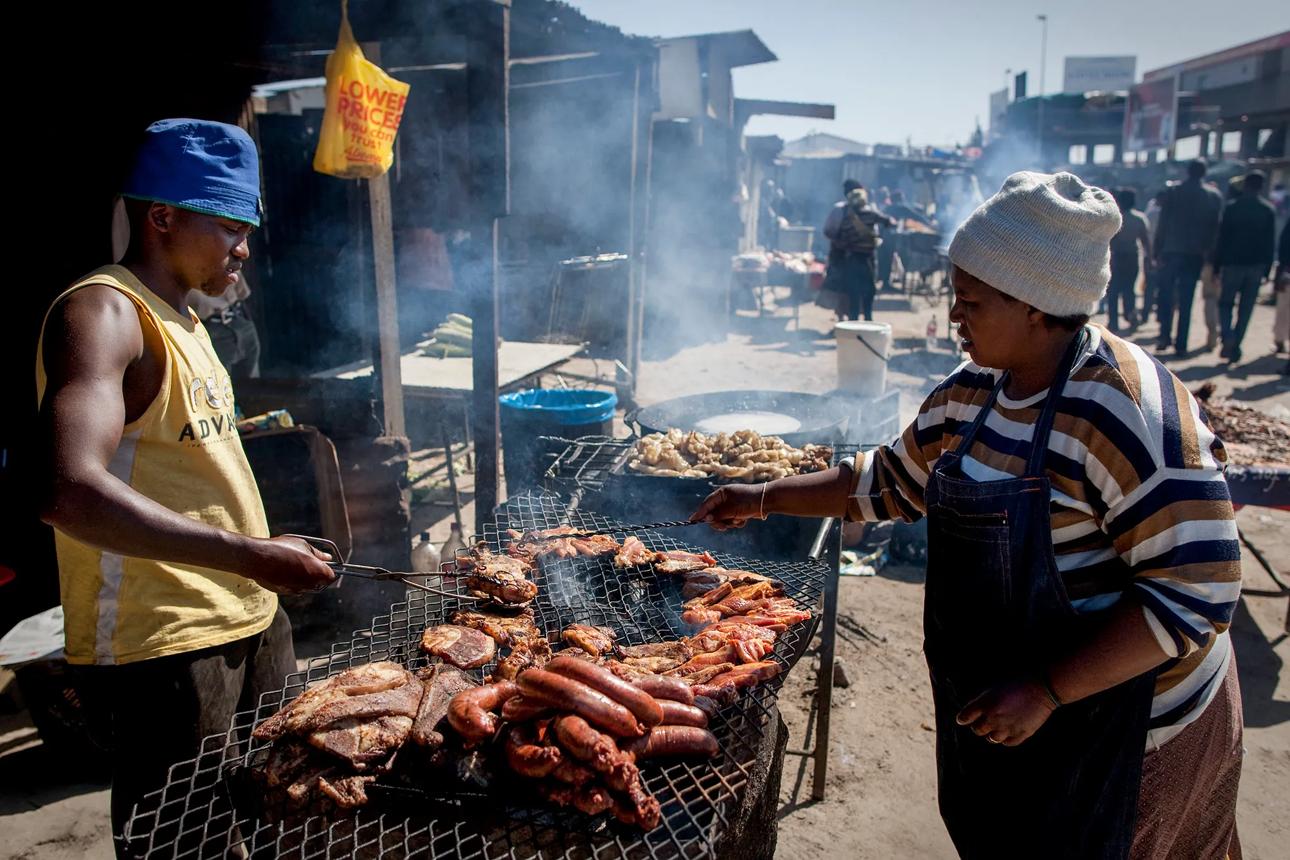
A mother teaches her child that enough seasoning has been added to a large pot when the rising steam reaches a specific, sweet aroma. A grandmother judges whether a thick soup has finished reducing simply by listening to the sound of the bubbles popping on the surface or feeling the resistance against her wooden stirring spoon. A street food vendor knows exactly when a charcoal fire has reached the ideal roasting heat simply by holding a hand above the iron grill. These nuanced sensory skills cannot easily be captured in standard written recipes; they represent a deep form of practical, embodied knowledge.
African open-air markets function as living, sprawling, highly dynamic spice libraries and culinary universities. Stalls are piled high with dried red peppers, wild forest seeds, aromatic roots, dried leaves, crushed spice powders, fresh herbs, local groundnut pastes, smoked fish, and native oils.
Market traders are far more than retail merchants; they are custodians of extensive culinary and botanical knowledge. A knowledgeable spice vendor can tell a customer exactly which pepper variety will yield the best color for a festive rice dish, which wild herb will soothe a upset stomach, or how long a specific spice blend should be toasted before being added to a game stew.
Traditional food preparation relies entirely on a sophisticated understanding of local plant biology and seasonal ecology. Agrarian communities must know precisely which wild plants are safe for human consumption, how to harvest them sustainably without destroying the host plant, and how to prepare them safely to neutralize natural toxins or harsh bitterness.
They must understand seasonal harvest windows, knowing exactly when a leaf is tender enough for soup or when a seed pod has fully ripened to peak oil content. This ancestral environmental knowledge represents an irreplaceable component of Africa’s tangible and intangible cultural heritage.
However, rapid modernization, rural-to-urban migration, and industrial food production pose real challenges to the preservation of this traditional plant knowledge. As younger generations move into dense urban centers, they may spend less time learning traditional foraging, farming, and hand-processing methods from older family members.
Urbanization can reduce physical access to wild forest environments and native garden plants, while mass-market commercial seasoning cubes and imported packaged foods increasingly replace labor-intensive, locally prepared fermented seasonings. Documenting indigenous botanical knowledge and celebrating traditional culinary arts is therefore vital for safeguarding the continent’s agricultural and cultural heritage for future generations.
 Preservation, Meat, Seafood, and Global Modernization
Long before the invention of modern electric refrigeration, effective food preservation was an absolute necessity for survival across Africa’s warm climatic zones. Communities developed sophisticated preservation techniques, including heavy salting, sun-drying, hot-smoking, air-curing, and natural fermentation, to extend the shelf life of highly perishable meats, fish, milk, and seasonal vegetables.
Spices and herbs played an active structural role in these preservation systems, as many plant compounds possess natural anti-microbial and anti-fungal properties. Dried peppers, ginger, garlic, and wild aromatic leaves were particularly valued because they protected dried foods from insect damage while simultaneously infusing them with bold, highly desirable flavors that became central to regional tastes.
Hot-smoking over selected aromatic woods is a classic technique used across Africa to process fresh fish and meat. In riverine and coastal zones, freshly caught fish are cleaned, woven into circular shapes, and placed over slow, smoky hardwood fires for hours or days until fully dehydrated.
The smoking process preserves the protein for long-distance transport to inland markets, while imparting a deep mahogany color and a intense, wood-fired flavor profile. When these smoked fish are eventually rehydrated and simmered in vegetable stews, their rich, smoky oils bleed into the surrounding broth, creating an irreplaceable background flavor that defines many regional cuisines.
Meat preparations across the continent provide endless opportunities for complex, layered seasoning techniques. Raw meats are frequently marinated for hours in wet pastes composed of crushed peppers, onions, garlic, ginger, native oils, and wild herbs to break down tough muscle fibers and infuse deep flavor.
Dry spice rubs are applied to meats just before open-fire grilling to form a crisp, flavorful, caramelized crust. Slow braising in covered clay pots allows tough cuts of pasture-raised meat to slowly break down while absorbing the rich aromatics of the surrounding gravy.
The famous West African street food suya provides a stellar example of how a specialized dry spice mixture (yaji)—composed of powdered roasted groundnuts, chili pepper, ginger, garlic, and local aromatics—can turn simple grilled beef skewers into an internationally celebrated culinary masterpiece.
Coastal African communities have developed extraordinarily rich culinary traditions centered around fresh seafood, tropical coconuts, and bright aromatics. Freshly caught sea fish, crabs, prawns, and octopus are grilled over open coals, fried crisp in hot oil, or simmered in fragrant coconut curries and spicy tomato stews.
Along the East African coast, fresh fish is routinely paired with rich coconut milk, turmeric, cardamom, and fresh lime juice, creating a silky, fragrant seafood stew. In West Africa, seafood is frequently paired with blistering chili peppers, fresh tomatoes, scent leaves, and native palm oil, producing a bright, fiery, and deeply comforting dining experience.
Certain iconic spice blends have transcended their humble kitchen origins to become powerful cultural symbols of regional and national identity. Ethiopian berbere is not merely a red pepper mix; it is an irreplaceable symbol of Ethiopian heritage and communal solidarity. North African ras el hanout represents the legendary pride, skill, and historical legacy of Maghrebi spice merchants. West African yaji is intrinsically linked to the bustling evening energy, street food culture, and social life of West African cities. These spice mixtures prove that simple agricultural products, when processed with skill and care, become meaningful cultural markers that connect people to their roots.
African spices and flavor profiles are increasingly stepping onto the international culinary stage. Innovative chefs in major global cities across Europe, North America, and Asia are actively experimenting with berbere, harissa, suya seasoning, and native African botanicals.
African-owned restaurants in the global diaspora are introducing authentic regional dishes to enthusiastic new audiences, while digital creators and food historians are documenting the stories behind traditional ingredients. This growing global appreciation creates exciting new economic opportunities for African farmers, spice exporters, food entrepreneurs, and culinary artisans.
However, rapid global popularity carries the real risk of cultural context being lost along the way. When a complex, traditional spice blend becomes a trendy commercial fad in Western markets, it can easily be stripped of its rich historical narrative, misnamed, or decoupled from the African communities that painstakingly developed and preserved the recipe over centuries.
A traditional dish can be reduced to an exotic novelty or repackaged without acknowledging its cultural roots. Responsible food writing, ethical sourcing, and cultural storytelling must therefore accompany the global expansion of African food, ensuring that appreciation includes a deep respect for history, origin, and human technique.
Contemporary African chefs are leading an exciting culinary renaissance by finding creative new ways to showcase traditional regional flavors. They are combining native indigenous spices with modern cooking techniques, reinterpreting classic street foods, presenting traditional ingredients in elegant fine-dining formats, and elevating humble home recipes.
This modern movement does not mean abandoning ancient heritage or catering solely to foreign palates. Instead, it proves that traditional African ingredients and techniques are dynamic, infinitely versatile, and fully capable of standing alongside the world’s most celebrated culinary traditions.
The long-term future of African food traditions depends heavily on preserving agricultural biodiversity, supporting local seed sovereignty, and protecting native ecosystems. If wild forest plants, native oil trees, and heirloom crop varieties disappear due to deforestation, industrial agriculture, or climate change, the traditional recipes that rely on them become critically vulnerable to extinction.
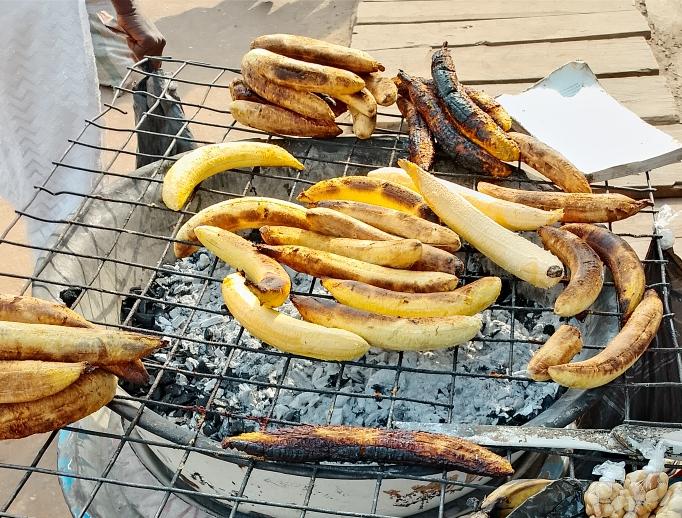
Local farmers, spice growers, wild foragers, market women, and traditional food processors are the unsung guardians of Africa’s living culinary heritage. Without their backbreaking daily labor, deep botanical knowledge, and economic dedication, traditional ingredients would simply disappear from city markets and home kitchens.
Strengthening local food supply chains, paying fair prices to agricultural producers, and investing in rural infrastructure help ensure that regional food systems remain resilient and vibrant, while providing vital economic livelihoods for millions of families across the continent.
Spices, native herbs, and aromatic seeds may seem physically small when compared to the large grains, heavy starches, and meats that make up a meal. Yet, their cultural, emotional, and social importance is immeasurable. A single whiff of a familiar spice blend roasting in hot oil can instantly transport a person back to their childhood home, evoke vivid memories of a long-passed relative, identify a specific town without looking at a map, or signal the arrival of a festive holiday season.
Flavor functions as a powerful form of living cultural memory, bridging generations, geographies, and historical eras through the simple, universal act of sharing a meal.
In the final analysis, African cuisine can never be understood by looking at a static list of raw ingredients printed in a book. It is defined by living human knowledge—the hard-won wisdom of knowing exactly how long to roast a pepper over wood coals, how to hand-grind a whole seed to release its aromatic oils, which fresh leaves will cure a heavy soup, and how to balance fire, fat, acid, and salt into a harmonious whole.
That unwritten ancestral knowledge is the true heart and soul of Africa’s culinary legacy. As the rich, diverse foods of the continent take their rightful place in the global culinary spotlight, preserving the deep stories, trade histories, and cultural context behind every ingredient is just as vital as celebrating their incredible flavors. The spices and herbs of Africa do far more than season food; they carry memories, honor agricultural traditions, preserve history, and sustain cultural identity—one aroma, one recipe, and one generation at a time.
