

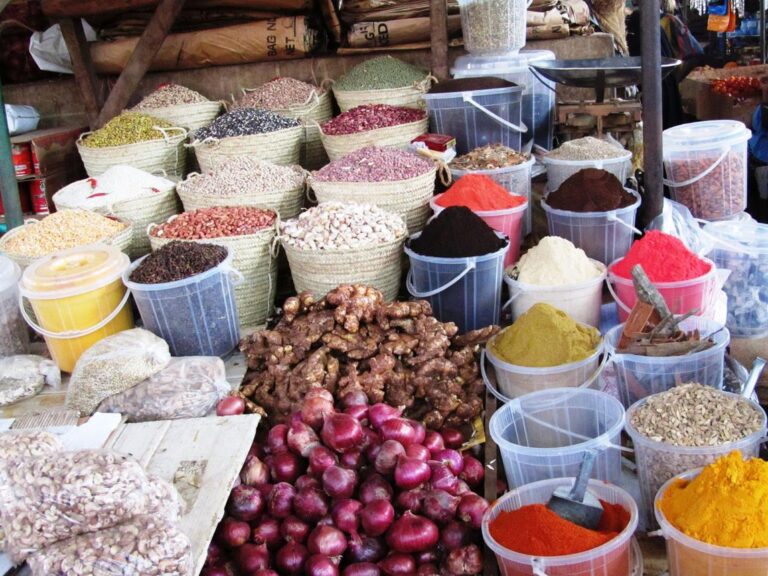
A great African meal is rarely defined by a single primary ingredient. The extraordinary depth, lingering warmth, and multi-layered aromas that characterize traditional cooking across the continent are the direct result of a masterclass in seasoning. Long before modern culinary schools codified flavor profiles, African cooks were combining fresh peppers, aromatic roots, wild seeds, sun-dried leaves, nutrient-rich plant oils, and toasted spices to transform humble grains, roots, and meats into legendary dishes. Some of these flavor agents are cultivated in small domestic kitchen gardens, others are meticulously gathered from wild forest belts, and many have been traded along trans-Saharan caravans and Indian Ocean maritime routes for thousands of years.
These seasonings do far more than make food taste good; they serve as living historical archives. A single spice blend can map out centuries of agricultural adaptation, ecological diversity, and international trade. A specific pepper variety grown along the coastal belt of West Africa provides the essential heat for a regional soup, while exotic spices brought across the sea to East Africa become permanently woven into local rice traditions. Yet, among all these distinct elements, the most decisive ingredient in any traditional kitchen remains unmeasured and unwritten: the ancestral knowledge of the cook. African gastronomy is fundamentally a discipline of technique, timing, and sensory intuition. The same chili pepper can yield an entirely different culinary experience depending on whether it is bruised fresh, slow-roasted over wood charcoal, sun-dried and ground, fermented, or bloomed in hot palm oil.
 Africa’s Vast Ecological Spice Landscape
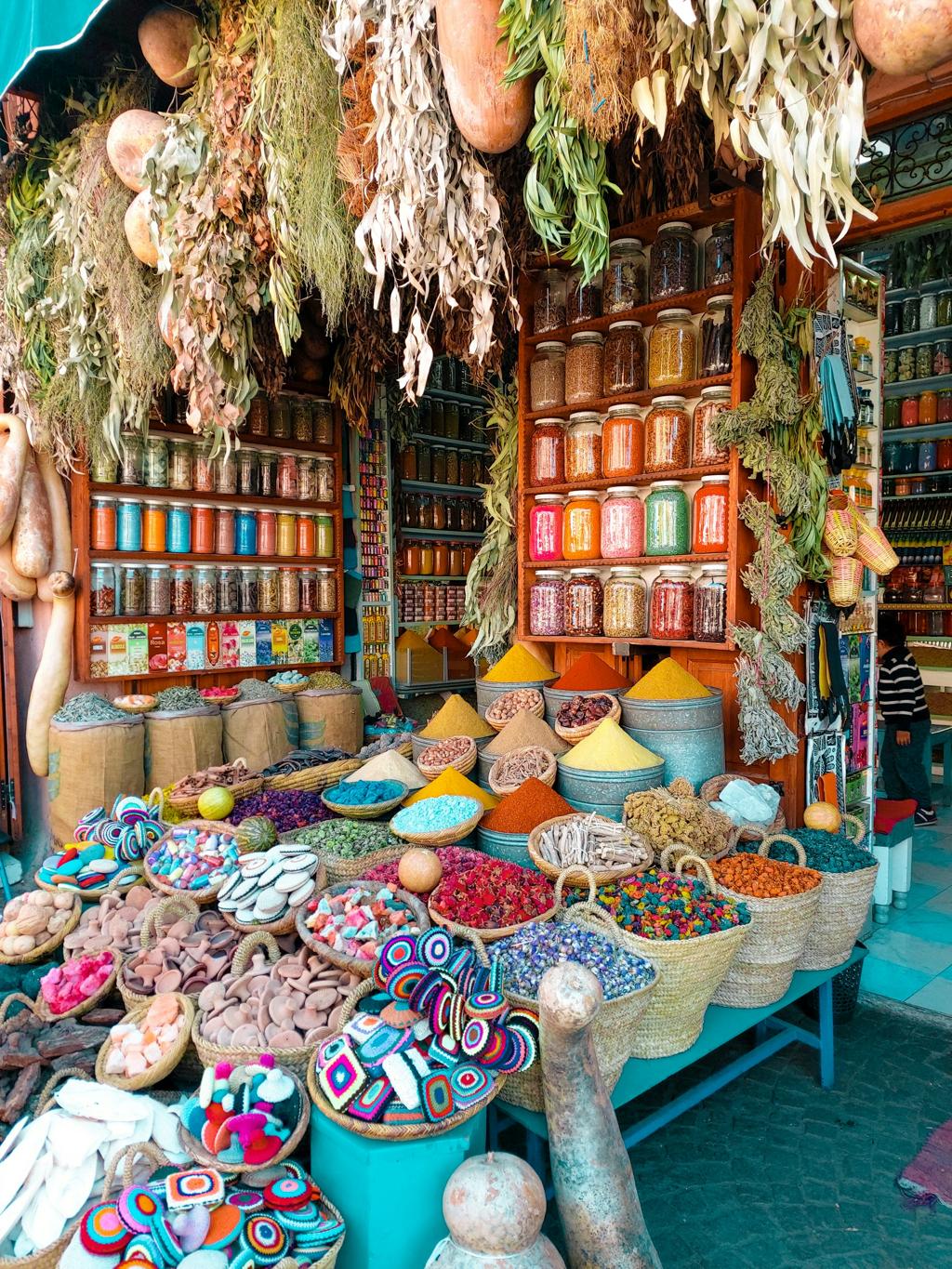
Because Africa is a vast continent comprising wildly different ecosystems, it possesses no single, monolithic spice profile. Instead, each major geographical region has developed its own signature seasoning traditions based on its climate, native flora, and historical connections to global trade networks. The humid tropical rainforests of West and Central Africa provide ideal conditions for cultivating fiery chili peppers, aromatic seed pods, wild herbs, and oil-bearing trees. The open savannas and Sahelian plains favor hardy seeds, drought-resistant pods, and aromatic roots.
In the highlands of East Africa, cool temperatures and rich volcanic soils nourish unique indigenous crops like teff and native herbs, while coastal regions benefit from maritime trade winds that brought tropical spices from across the ocean. Meanwhile, North Africa’s Mediterranean shoreline and desert oases have functioned for millennia as a major crossroads where African, Arab, Amazigh, and Southern European flavor traditions fused together. This environmental and historical diversity explains why a stew from Morocco tastes vastly different from an Ethiopian broth or a Nigerian soup, even though all three rely on complex combinations of aromatic seasonings.
The Foundation: Peppers, Aromatics, and the Holy Trinity
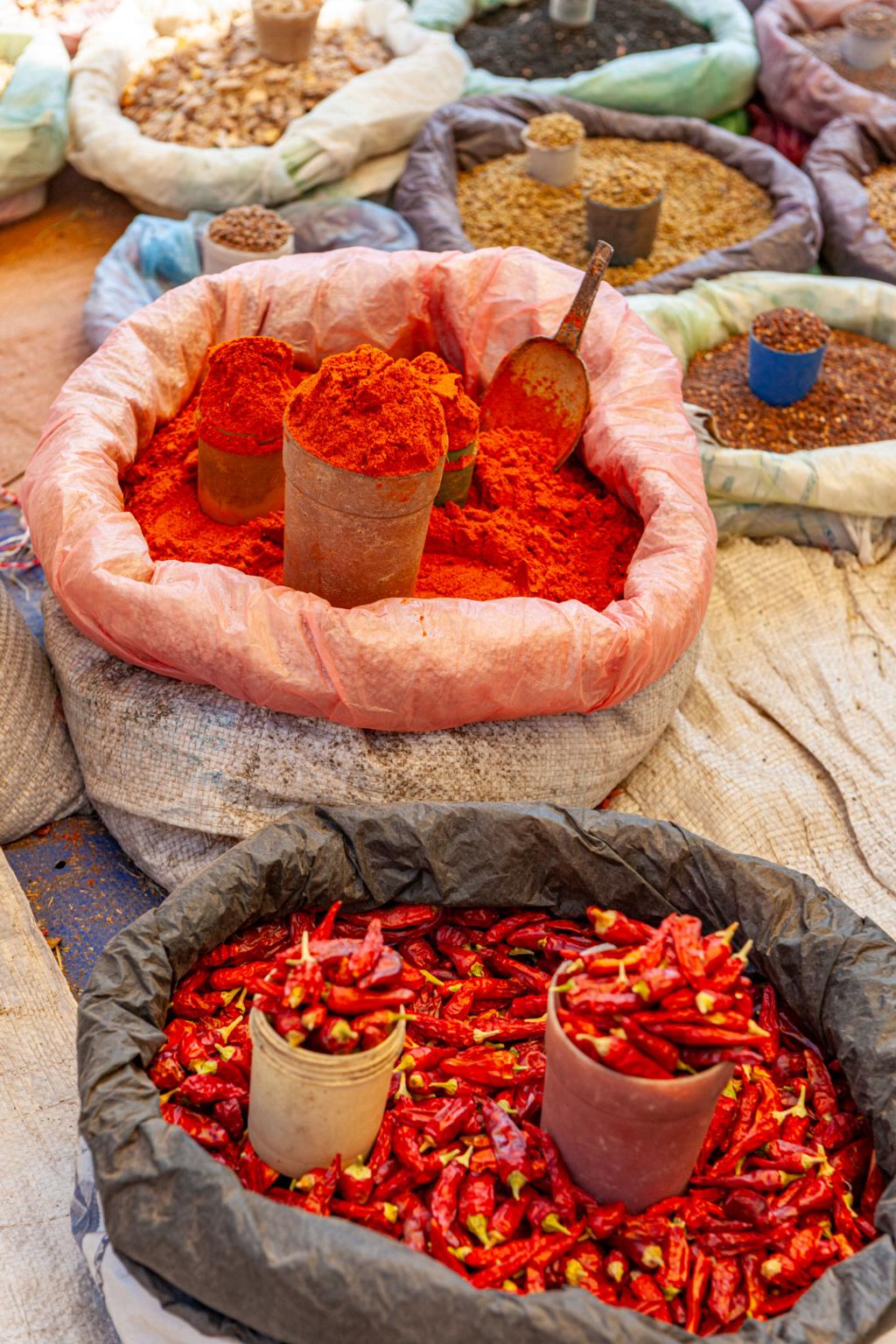
Chili peppers are among the most recognizable features of sub-Saharan and coastal African cooking. However, understanding African pepper usage merely as a pursuit of raw heat completely misses the point. Experienced cooks select pepper varieties for their specific flavor profiles, colors, and aromas. In West Africa, fresh scotch bonnet peppers (atarodo) offer a brilliant fruity sweetness alongside intense heat, whereas red bell peppers (tatashe) provide a rich, sweet structural base and vibrant red color without blistering spice. Some peppers are sun-dried and smoked to introduce earthy background notes to winter stews, while others are crushed fresh into sharp table condiments. The art lies in balancing this heat with sweetness, acidity, and rich fats so that the spice heightens the other ingredients rather than overwhelming them.
Complex Regional Spice Blends: Berbere, Ras el Hanout, and Yaji
One of the highlights of African culinary science is the creation of multi-ingredient dry spice mixtures, where individual components are toasted, ground, and combined in precise proportions to achieve a unified flavor profile. In the Horn of Africa, particularly within Ethiopian and Eritrean cooking, no blend is more iconic than Berbere. This brick-red spice mixture features sun-dried chili peppers combined with ginger, garlic, cardamom, coriander, fenugreek, allspice, cloves, and indigenous seasonings like korarima (Ethiopian cardamom) and ehu (Calabash nutmeg). Berbere provides the deep heat, rich color, and complex aromatic backbone for traditional stews like doro wat, illustrating how a national cuisine can be anchored by a single, carefully guarded spice formula.
In North Africa, the art of spice blending reaches an equally elevated status with Ras el Hanout. Translating from Arabic as “top of the shop,” this famous blend represents a spice merchant’s absolute finest offerings. A single custom blend can contain anywhere from twelve to over fifty distinct ingredients, including cumin, coriander, cinnamon, cardamom, sweet paprika, turmeric, nutmeg, dried rosebuds, and mace. The individual spices are whole-toasted over gentle heat to release their volatile essential oils before being ground into a velvet-smooth powder. Used to season slow-cooked tagines, couscous broths, and roasted meats, Ras el Hanout creates a fragrant, warming taste experience that balances savory, sweet, and floral notes.
In the street food culture of West Africa, Yaji—commonly known as Suya pepper—redefines how dry rubs are constructed. Developed by Hausa butchers in northern Nigeria and neighboring Sahelian regions, Yaji achieves its unique texture and flavor through the inclusion of defatted roasted groundnut cake powder (kuli-kuli). This nut base is mixed with ground chili peppers, ginger, garlic, onion powder, and local aromatics. When dusted over skewered beef, goat, or ram before grilling, the nut proteins create a savory crust that seals in juices while delivering a nutty, fiery, and smoky flavor.
Indigenous Herbs, Leafy Greens, and Aromatic Seeds
Beyond dried spices, fresh herbs and leafy greens play a major role in defining regional character, frequently blurring the line between seasoning agent and primary vegetable. In West Africa, leaves like bitterleaf (ewuro) undergo a systematic process of washing, squeezing, and rinsing to reduce their intense bitterness to a subtle, appetizing note that cuts through rich, palm-oil-based soups. Scent leaf (effirin or African basil) contributes a sharp, clove-and-mint-like fragrance that brightens pepper soups and yam preparations.
Aromatic indigenous seeds also provide distinctive, earthy flavors that remain relatively unknown outside the continent:
African Nutmeg (Ehu or Ehuru): The seeds of the Monodora myristica tree are roasted in their shells to release deep, woody, pine-like aromas before being ground into soups like Banga or Nsala.
Grains of Selim (Uda): The long, dark, aromatic seed pods of Xylopia aethiopica add a musky, smoky, slightly bitter warmth to traditional West African herbal broths and pepper soups.
Grains of Paradise (Atare): Native to the West African coast, these small reddish-brown seeds deliver a sophisticated flavor reminiscent of black pepper combined with notes of cardamom, citrus, and hazelnut.
Oils, Fermentation, and the Secret of Technique
Fat is an essential flavor carrier in African cooking, with unrefined red palm oil and cold-pressed groundnut oil playing leading roles. Unrefined red palm oil—extracted from the fruit of the oil palm tree—imparts a rich crimson color, a velvety mouthfeel, and an earthy, distinct aroma to West and Central African stews. When bloomed over medium heat with diced onions and locative seasonings, it creates an aromatic base that binds the entire dish together.
Equally critical is the ancient art of natural fermentation. Seasonings made from fermented seeds—such as Iru or Dawadawa (made from locust beans) and Ogiri (made from fermented sesame or melon seeds)—act as powerful natural flavor enhancers. Though these fermented condiments possess a pungent, sharp aroma in their raw state, dropping a small portion into a boiling soup completely transforms the dish, dissolving into a deep, savory umami base that cannot be replicated by modern artificial seasonings.
Ultimately, whether a cook is preparing a North African tagine, an Ethiopian wat, or a West African soup, the true “secret ingredient” is the technical mastery passed down through generations. Knowing precisely when to toast a whole seed, how long to fry aromatics in hot oil, when to fold in delicate fresh herbs, and how to balance fire heat with acidity requires years of practical experience and sensory judgment. African spice traditions are far more than a set of cooking rules; they are a celebration of land, heritage, and human creativity—one blend, one pot, and one meal at a time.
