

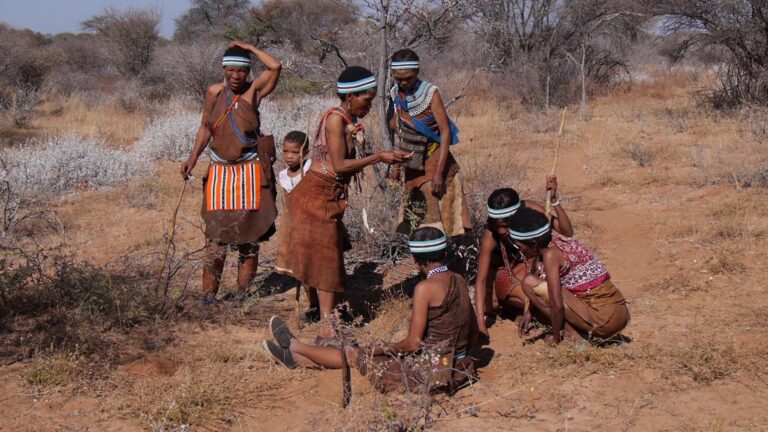
When people discuss the ethnic diversity of Africa, attention often falls on the continent’s largest and most internationally recognized communities, such as the Yoruba, Igbo, Hausa, Zulu, Maasai, and Ashanti. Their histories are undoubtedly important, but concentrating only on large populations creates an incomplete picture of the continent. Across Africa are hundreds of smaller ethnic communities whose populations may be relatively limited, yet their histories, languages, artistic traditions, and social systems are extraordinarily rich. A community with several million people and one numbering only a few thousand possess equally complex systems of knowledge; the size of a population does not determine the value of its heritage. Whether living across multiple countries or concentrated within specific forests, mountains, islands, or river valleys, smaller groups preserve knowledge developed over centuries in highly specialized environments, representing forms of human knowledge that cannot be measured through numbers alone.
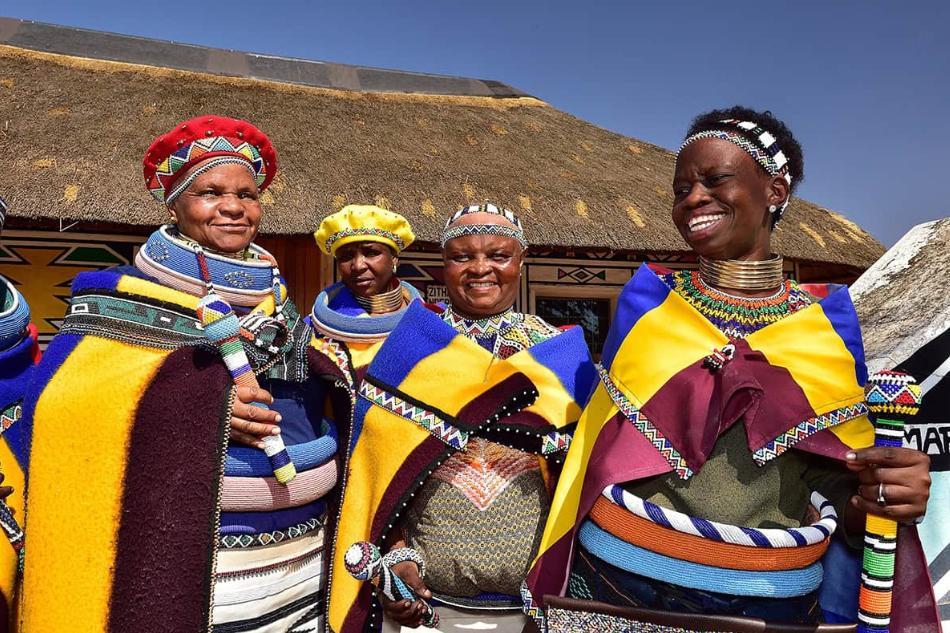
Furthermore, while African history is frequently framed through major kingdoms and empires, everyday communities created the actual cultural landscape through farming, fishing, craftsmanship, trade, storytelling, and language transmission. This deep diversity exists vividly within national borders, where a single country like Nigeria, Cameroon, the Democratic Republic of the Congo, Ethiopia, Tanzania, Kenya, Ghana, or South Africa may contain dozens or hundreds of ethnic groups. Consequently, national identity and ethnic identity comfortably coexist, allowing individuals to maintain a strong connection to their specific heritage while identifying fully with their modern nation state.
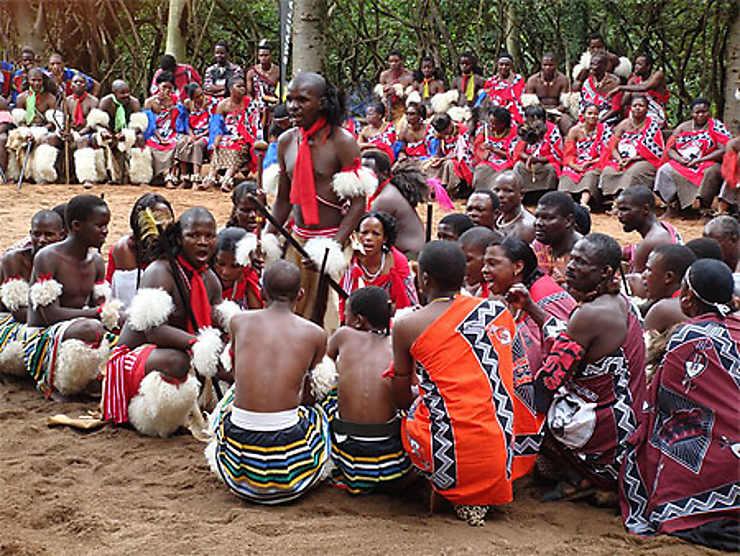
The relationship between indigenous communities and environmental conservation is equally evident in groups like the Ogiek of Kenya and the Batwa of the Great Lakes region. The Ogiek’s historical forest livelihoods, particularly beekeeping and honey harvesting, alongside the Batwa’s traditional forest life across Rwanda, Burundi, Uganda, and the DRC, demonstrate how state land policies and protected conservation areas can disrupt traditional lifeways. These experiences prove that discussions of African cultural heritage must include questions of land, displacement, and rights. In the Nile Valley, the Nubians represent an ancient civilization with thousands of years of history linked to the kingdom of Kush, though twentieth-century dam construction profoundly reshaped their traditional territories. In Ethiopia’s Lower Omo Valley, pastoral and agricultural peoples like the Mursi continuously adapt to environmental change while navigating the modern pressures of tourism and development.
Elsewhere, the Dogon of Mali present a masterclass in architectural, agricultural, and cosmic tradition around the Bandiagara cliffs, proving that cultural heritage should be understood through a community’s internal social context rather than sensationalized outsider interpretations. In North Africa, the Berbers or Amazigh showcase an indigenous presence across Morocco, Algeria, Tunisia, and Libya, proving that African ethnic identity extends seamlessly across the entire continent. Beyond the continent’s geographic borders, groups like the Siddi of India reveal how the African diaspora forms an essential dimension of this global heritage, carrying historical identity across the Indian Ocean and beyond.
At the core of this heritage is language, which functions as an irreplaceable cultural archive. A single language carries history, geographical terms, family structures, and worldviews, meaning when a language disappears, a unique cultural archive vanishes with it. Because many African societies historically relied heavily on oral transmission, stories, songs, praise poetry, and proverbs served as informal educational systems where the traditional storyteller acted as a historian, moral guide, and educator. Alongside oral traditions, communities developed specialized traditional ecological knowledge that modern fields like ecology and ethnobotany continue to learn from, as well as complex practices in traditional medicine, expressive visual arts, dance, textiles, body adornment, and local architecture.
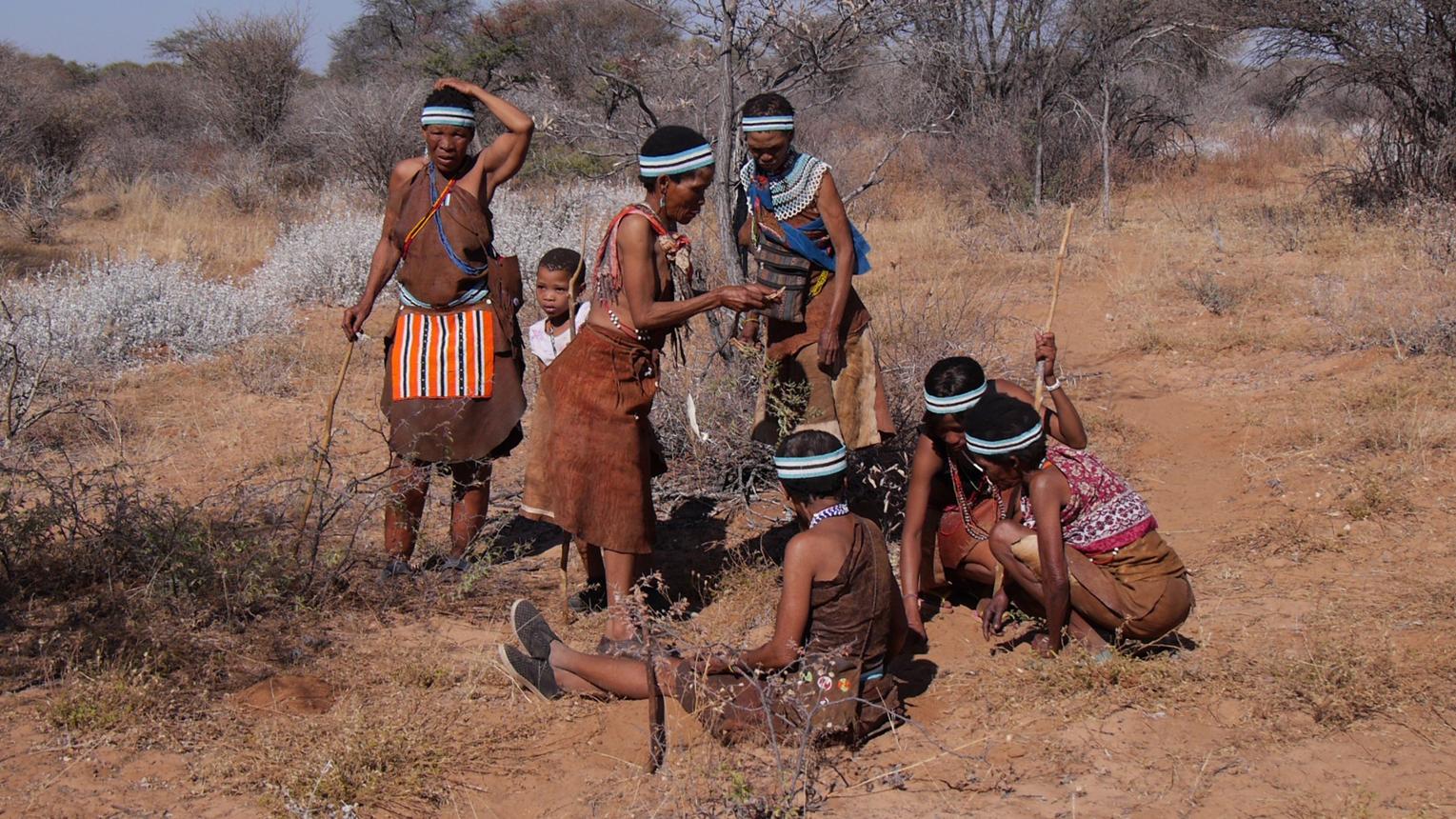
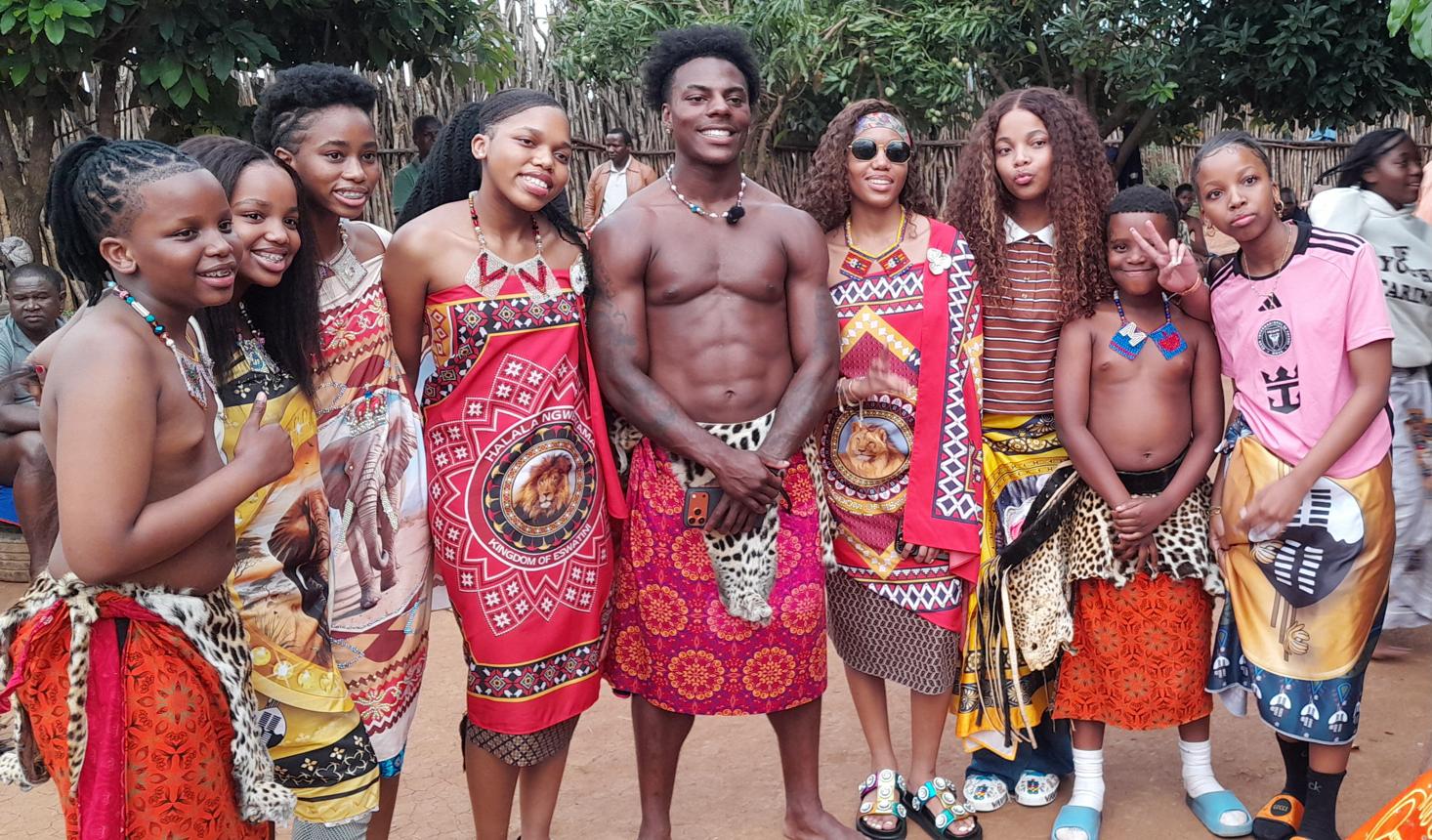
Ultimately, protecting this diversity relies on recognizing that cultural heritage is far more than physical objects inside a museum; it encompasses living languages, songs, ceremonies, foodways, and relationships with the land. A strong ethnic identity does not conflict with national unity, nor should preservation require communities to live frozen in the past. To understand Africa fully, one must look beyond the largest, most famous names and listen to the thousands of unique communities whose living traditions collectively form the continent’s true heritage.
