

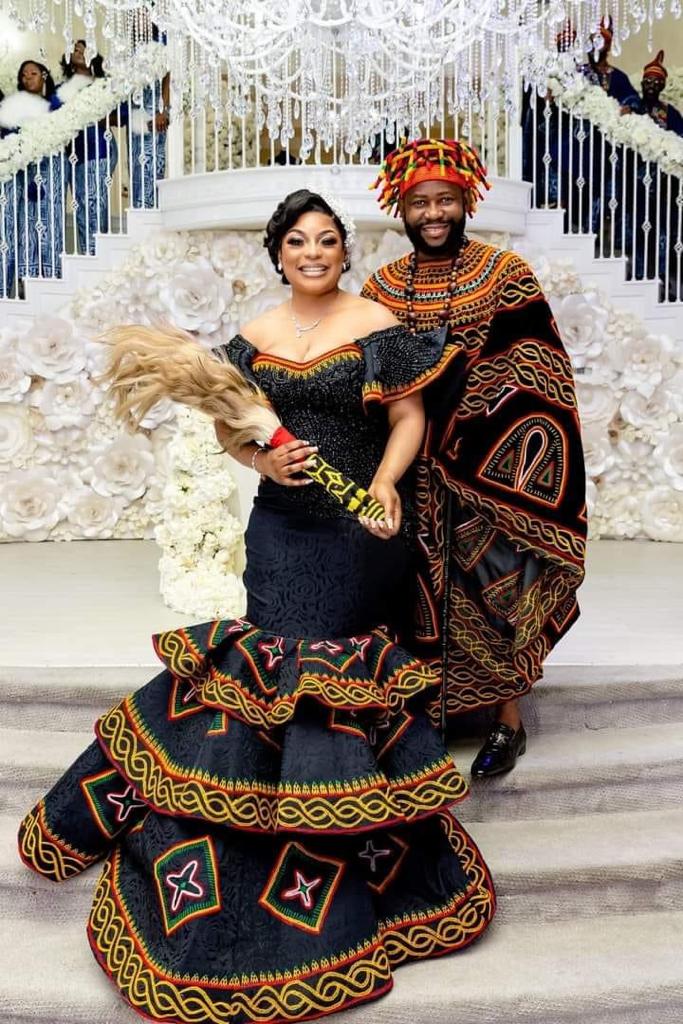
Dress as the Visible Script of Life’s Milestones
Throughout this series, a consistent theme has surfaced repeatedly across dramatically different ethnic traditions: African traditional clothing reaches its fullest, most elaborate, and most symbolically dense expression precisely at moments of significant life transition. Birth, initiation, marriage, chieftaincy installation, and death — the major milestones marking an individual’s passage through life and their evolving relationship to family, community, and, in many traditional understandings, the spiritual and ancestral realm — are consistently accompanied by carefully prescribed dress, ornamentation, and material culture that make these otherwise invisible social and spiritual transitions visible, legible, and communally witnessed.
This article draws together and expands upon threads introduced throughout the preceding examinations of Kente, Adire, Ankara, Maasai, Zulu, Tuareg, and beadwork traditions, offering a focused, continent-spanning look at how traditional clothing functions specifically within ceremonial and rite-of-passage contexts. Rather than examining a single ethnic tradition, this piece considers the broader structural patterns — and meaningful variations — in how African communities use dress to ritually mark, witness, and formalize life’s most significant transitions.
Birth and Naming Ceremonies
The arrival of a new life across many African traditions is marked by specific dress and material culture practices extending both to the infant and to attending family members and community participants. Naming ceremonies, held across numerous cultures within days or weeks of birth, frequently involve specific ceremonial dress for parents, grandparents, and officiants, alongside protective items — often incorporating beads, discussed in the previous article, or other charms believed to offer spiritual protection to the vulnerable newborn during this liminal early period of life.
Among Yoruba communities, for instance, naming ceremonies (Isomoloruko) traditionally involve family members dressed in coordinated aso-ebi, the group attire tradition discussed regarding Ankara fabric, with specific ceremonial items — including honey, kola nut, and other symbolic foods — presented to the infant alongside prayers and blessings, the surrounding adult dress lending formal, communally-witnessed weight to this significant welcoming ritual. Across many West and Central African traditions, specific colors or cloth types are considered appropriate for naming ceremony dress, often favoring white or bright celebratory colors reflecting the joy and hope the new arrival represents for the family and community.
Initiation and Coming-of-Age Rites
Initiation ceremonies marking the transition from childhood to adulthood represent, across the traditions explored throughout this series, perhaps the most dramatically dress-transformative rites of passage practiced within African cultural systems. As discussed regarding Maasai moranhood, the transition into warrior status involves specific dress and grooming transformations — including the adoption of the vivid red shuka and elaborate beadwork appropriate to warrior status — marking a young man’s formal entry into a new, communally recognized social category with attendant responsibilities and privileges.
The Zulu umemulo ceremony, discussed in the previous examination of Zulu dress, similarly showcases elaborate traditional dress marking a young woman’s transition toward adulthood and marriageable status, with the ceremony’s dress and presentation reflecting both individual and family status within the broader community. Beyond these specific examples, numerous African cultural traditions maintain distinct initiation practices — some involving extended periods of seclusion, specialized instruction, and, in various traditions, physical transformation rites — each typically accompanied by specific ceremonial dress marking both the liminal transitional period itself and the celebratory re-entry into community life as a newly recognized adult member.
These initiation dress traditions frequently follow a broader structural pattern observable across many cultures: initiates are often dressed in simple, sometimes deliberately humble or unadorned clothing during the liminal transitional period itself — symbolically stripped of their previous childhood status and not yet entitled to full adult dress and ornamentation — before being elaborately re-dressed at the ceremony’s conclusion in garments and ornamentation appropriate to their newly achieved adult status, visually and communally marking the completion of their transformation. This pattern of transitional humility followed by celebratory re-adornment appears, with significant cultural variation in specific garments and symbolism, across numerous distinct African initiation traditions, suggesting a broader shared logic regarding how dress can be used to mark liminality and transformation even across otherwise quite distinct cultural systems.
 Marriage Ceremonies: Dress at Its Most Elaborate
Marriage consistently emerges, across virtually every tradition examined throughout this series, as the life transition eliciting the most elaborate, carefully considered, and symbolically dense traditional dress. This intensity reflects marriage’s significance as simultaneously an individual transition, a union between two people, and, critically within many African kinship and social structures, a formal alliance between two families or lineages, with dress serving to visually represent and formalize all these overlapping dimensions of significance simultaneously.
Yoruba traditional weddings showcase elaborate aso-oke fabric (a handwoven textile tradition distinct from but related in cultural function to Kente strip-weaving) for both bride and groom, alongside gele (elaborate head-tie) styling for women and cap styling for men, with specific colors and coordinated family dress (aso-ebi) marking the joining of both families in celebratory unity. The exchange of specific ceremonial items, including in various traditions items of clothing or cloth given as part of formal bride price and marriage negotiations between families, further embeds dress and textile directly into the legal and social formalization of the marriage itself, not merely its celebratory presentation.
Zulu traditional weddings, as discussed previously, showcase the isidwaba, extensive beadwork, and often the isicholo headdress, with multiple ceremonial phases each potentially calling for distinct traditional dress reflecting the wedding’s structured, multi-stage ritual progression common across numerous African marriage traditions, which frequently involve sequential ceremonies — engagement negotiations, formal bride price presentation, the wedding ceremony itself, and post-wedding integration rituals — each with associated dress conventions marking the specific stage of the broader marital process being enacted.
Akan traditional weddings prominently feature Kente cloth, discussed extensively in this series’ second article, with the specific patterns and color combinations chosen carrying particular symbolic weight appropriate to marriage’s significance, sometimes incorporating patterns specifically associated with unity, prosperity, or blessing for the union. Across numerous other traditions not individually profiled within this series — including Igbo, Hausa, Fulani, Ethiopian, and countless additional cultural traditions across the continent — traditional wedding dress similarly reaches levels of elaboration and symbolic density well beyond everyday dress conventions, consistently reflecting marriage’s position as one of life’s most significant, most thoroughly ritualized transitions.
 Chieftaincy, Coronation, and Leadership Installation
Beyond individual life-course transitions, African traditional clothing plays a central role in ceremonies marking the installation of chiefs, kings, and other recognized community and political leaders — occasions that, while less universal to every individual’s life experience than birth, initiation, marriage, and death, nonetheless represent profoundly significant communal ceremonial occasions accompanied by among the most elaborate traditional dress found within any African cultural context.
As discussed regarding Kente’s royal associations, Ashanti chieftaincy installation ceremonies (enstoolment, referencing the significant symbolic role of the ceremonial stool within Akan political tradition) involve elaborate Kente cloth, gold jewelry, and specific regalia items reserved exclusively for recognized chiefs, with the scale and quality of ceremonial dress serving as an immediately legible marker of the installing chief’s rank and the significance of the specific chieftaincy position being formalized. Similarly, Zulu and other southern African traditional leadership installation ceremonies involve elaborate traditional dress, often incorporating leopard skin and other historically status-restricted materials discussed regarding Zulu royal and military regalia.
Yoruba oba (king) coronation ceremonies involve elaborate beaded crowns (ade) incorporating coral beads discussed in the previous article’s examination of royal Yoruba and Benin bead traditions, alongside elaborate agbada robes and other regalia marking the new oba’s formal assumption of traditional authority, with specific regalia items in many traditions understood to carry not merely symbolic but genuinely spiritually significant weight, connecting the newly installed leader to ancestral authority and, in various traditional religious understandings, specific spiritual or divine sanction for their leadership role.
Death, Mourning, and Funerary Dress
Death and its associated mourning practices involve some of the most structurally complex and symbolically nuanced dress conventions found within African traditional culture, frequently involving sequential dress changes marking the progression through different phases of mourning and, eventually, reintegration into normal community life and dress conventions.
As discussed regarding Akan color symbolism in the Kente article, black carries significant ancestral and spiritually respectful connotation within Akan cultural understanding, appearing prominently in funeral dress not as an expression of purely negative despair but as a marker of spiritual maturity and appropriate reverence for the deceased and the ancestral realm they are understood to be joining. Red, similarly, may appear in specific funeral contexts, reflecting its dual symbolic association with both political-spiritual strength and, in certain contexts, the intensity of loss and sacrifice associated with death.
Across many West African traditions, funeral dress conventions distinguish between close family members, who often wear specific, sometimes deliberately somber or particular mourning dress for an extended period following the death, and broader community members attending funeral ceremonies, who in many traditions — reflecting the aso-ebi coordinated group attire tradition discussed regarding Ankara — wear specific, sometimes surprisingly celebratory coordinated fabric chosen specifically for the funeral occasion, reflecting a broader cultural understanding, common across numerous African traditions, that death, particularly of an elder who has lived a full life, warrants not only mourning but also celebration of the deceased’s life and their transition to ancestral status, a nuanced dual emotional register that African funeral dress conventions frequently navigate through careful color and garment choices.
Widowhood, in particular, involves distinct and often extended traditional dress conventions across numerous African cultural traditions, historically requiring surviving spouses (predominantly, in documented historical practice, widows rather than widowers, reflecting broader gender asymmetries within various traditional mourning conventions) to wear specific dress, often for a prescribed mourning period, marking their transitional status and, in various traditional understandings, offering protective or purificatory function during this significant and vulnerable life transition. Contemporary practice regarding widowhood dress conventions varies considerably across different communities and has, in various documented contexts, become subject to significant contemporary re-examination and reform, particularly regarding widowhood practices some communities and individuals have identified as unduly burdensome or reflecting broader gender inequities requiring thoughtful contemporary reconsideration.
Harvest, Religious, and Seasonal Festival Dress
Beyond individual life-course and leadership transitions, African communities across the continent maintain rich traditions of seasonal, agricultural, and religious festival celebration, each frequently accompanied by distinctive traditional dress reflecting the specific occasion’s character and significance. Harvest festivals, celebrating successful agricultural cycles central to many traditional African economies, frequently call for dress emphasizing abundance and prosperity — bright colors, elaborate patterns, and general visual exuberance appropriate to celebrating successful harvest and community sustenance.
Religious festivals, including the Yoruba Orisha festivals referenced regarding spiritual bead-color coding in the previous article, involve devotees wearing colors and dress specifically associated with the particular deity or spiritual tradition being honored, transforming festival dress into an active expression of specific religious devotion and community religious identity. Islamic and Christian religious observances, practiced widely across the continent alongside indigenous traditional religious practices, similarly involve specific festival dress conventions in many African communities, often blending broader Islamic or Christian dress conventions with locally specific traditional textile and styling traditions, illustrating the broader pattern of cultural synthesis and adaptation observed throughout this series, particularly regarding Ankara’s complex origin story.
Conclusion: Dress as the Community’s Shared Witness
Across birth, initiation, marriage, leadership installation, death, and seasonal celebration, African traditional clothing consistently performs a crucial social function beyond mere celebration or aesthetic display: it makes life’s most significant transitions visible, legible, and communally witnessed, transforming private or family-specific milestones into events formally recognized and validated by the broader community through shared, culturally coded dress conventions that every community member, regardless of their specific relationship to the individuals directly involved, can read and understand.
This function — dress as community witness and formal social recognition — helps explain why, across every specific tradition examined throughout this series, ceremonial and rite-of-passage dress consistently represents the most elaborate, carefully considered, and symbolically dense expression of each culture’s broader dress language. As this series turns to its final examination of African fashion’s contemporary global rise, the ceremonial dress traditions surveyed here provide essential context: much of what makes African fashion distinctive and globally compelling today draws directly, whether explicitly or through more subtle inspiration, upon this deep, continent-wide tradition of using dress to mark, celebrate, and formally witness life’s most significant human transitions.
