

Geography as the Engine of Trade
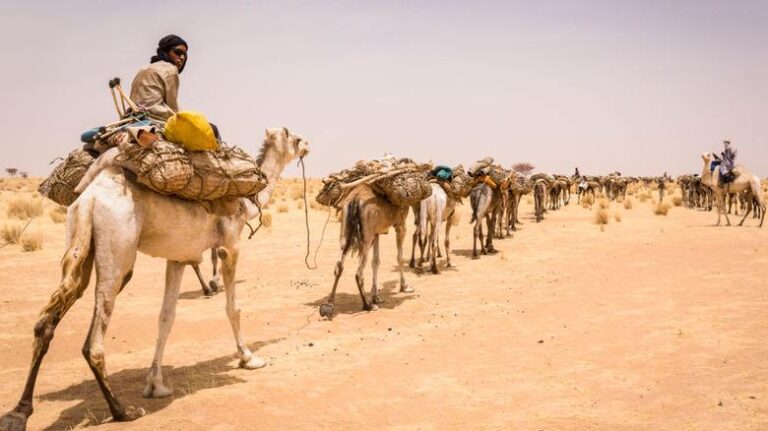
Africa’s enormous geographical diversity was one of the primary reasons trade became so important. The continent contains deserts, tropical forests, grasslands, highlands, river valleys, and extensive coastlines, all of which produced radically different resources. A community living near salt deposits had access to a vital good that was scarce in agricultural regions, while a gold-producing region often lacked sufficient salt. Pastoralists exchanged livestock for agricultural crops, and coastal communities traded maritime imports inland. The Sahara desert was never an impenetrable barrier. Knowledge of water sources, seasonal conditions, and the widespread use of camels transformed the desert from a natural boundary into a vibrant commercial corridor.
The Trans-Saharan Trade Network
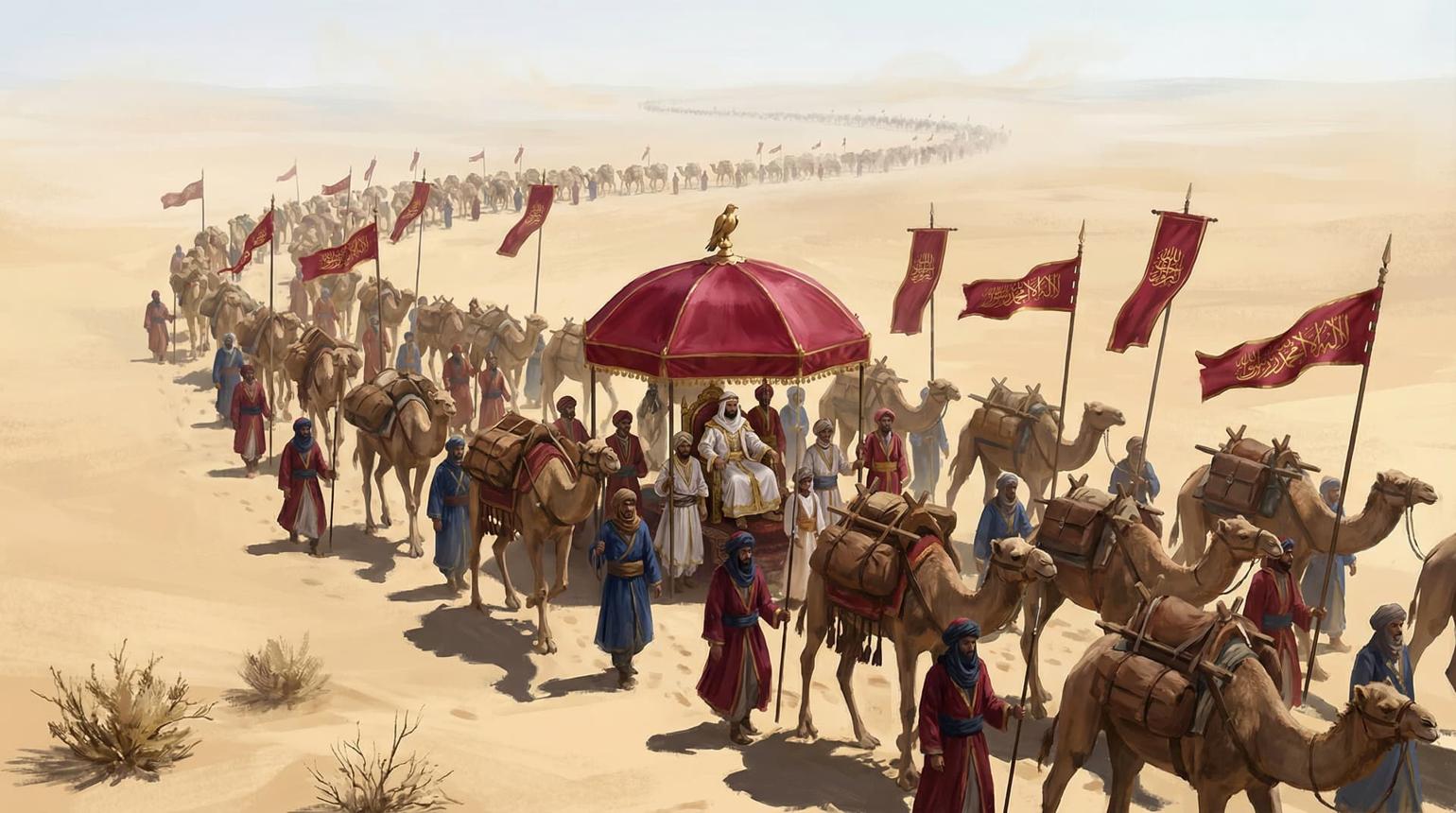
Reaching its height between the ninth and fifteenth centuries, the trans-Saharan network operated as a complex web of interconnected routes linking North and West Africa through camel caravans. Gold from West Africa moved north toward North Africa and the Mediterranean monetary systems, while essential Saharan salt moved south toward the western Sudan. African trade networks carried a vast variety of goods, including gold, salt, ivory, copper, iron, textiles, leather goods, agricultural products, kola nuts, ceramics, weapons, horses, and enslaved people. This commerce generated entire specialized economic ecosystems, where merchants, caravan guides, camel handlers, guards, artisans, and market officials operated alongside inns, warehouses, and transport services.
 The Sahel: Urban Centers of Commerce and Scholarship
Between the Sahara and the wetter savanna regions lies the Sahel, a crucial transition zone where major commercial hubs flourished along river systems and caravan junctions. Timbuktu, situated near the Niger River and major trans-Saharan routes, grew into an international trade center whose commercial wealth directly financed renowned Islamic centers of scholarship, housing vast manuscript collections covering law, astronomy, mathematics, and literature. Djenné, located in the inland Niger Delta, leveraged its fertile agricultural surroundings and waterways to move large quantities of bulk commodities efficiently. Gao, positioned strategically along the Niger River, became a major commercial terminal and the eventual capital of the Songhai Empire.
Rivers and Maritime Corridors
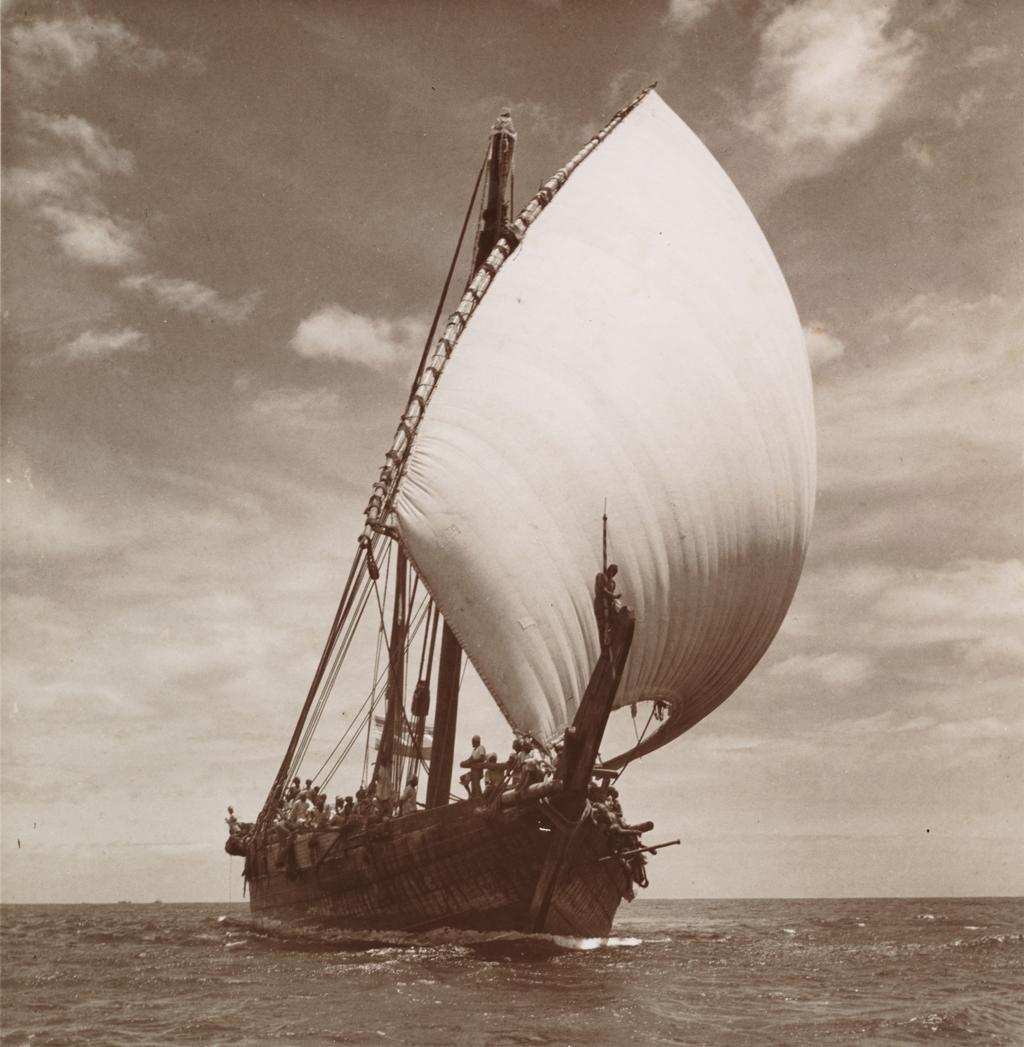
Overland desert routes were matched by extensive aquatic highways across northeastern, eastern, and coastal Africa. The Nile River functioned for millennia as a natural transportation corridor connecting Egypt, Nubia, and regions further south. In the Horn of Africa, the ancient kingdom of Aksum utilized the port of Adulis to connect interior African goods with Red Sea routes to Arabia and the Mediterranean. Along the East African coast, Swahili trading cities such as Kilwa, Mombasa, and Malindi relied on seasonal monsoon winds to navigate the Indian Ocean, linking African gold, ivory, and timber with merchants from Arabia, Persia, India, and South Asia.
Imperial Power and Cultural Exchange
Trade networks and state-building existed in a mutually reinforcing cycle where trade created wealth, wealth strengthened political authority, and political authority protected the trade routes that generated further revenue. This relationship helped build powerful states like Ghana, Mali, and Songhai. Beyond material wealth, trade routes served as channels for language, religion, and ideas. Islam expanded through trade networks, interacting with local traditions to shape governance, scholarship, and legal systems. Commercial necessity also drove the growth of major trade languages, including Swahili along the East African coast, as well as Hausa and Mande languages across West Africa, while local markets served as social hubs for sharing information.
Complexity and Historical Realities
Precolonial trade networks brought immense wealth, urban growth, and cultural synthesis, but they also contained stark inequalities. Human beings were among the commodities transported through several precolonial African and transregional trading systems, where people captured during warfare or raids were sold long before the Atlantic slave trade. Furthermore, rulers and elite merchant classes accumulated significant fortunes while primary producers and laborers received far less of the final value. Trade routes were never static, as political instability, environmental shifts, or changing maritime dynamics frequently redirected commercial traffic, causing trading cities to rise or decline over time.
Legacy of Precolonial Networks
Africa was never a collection of isolated communities prior to European colonial expansion. When colonial boundaries were established in the nineteenth century, they overlaid centuries-old networks of African international commerce, diplomacy, and cultural exchange. Many modern African cities, roads, regional languages, and cultural practices remain directly rooted in these historic precolonial trade corridors.
