

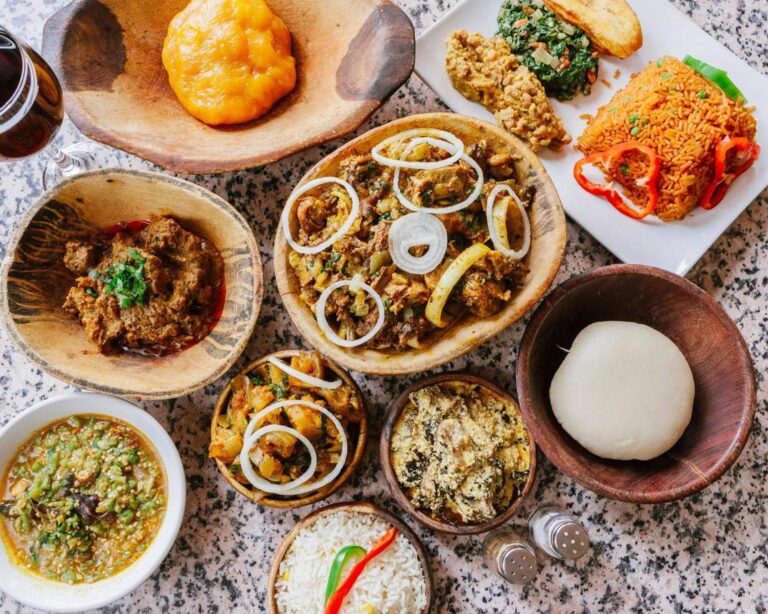
Food is one of the most powerful ways to understand a culture. A meal can reveal where people live, what grows around them, how they have interacted with neighboring communities, and what they consider important enough to celebrate. In Africa, food carries all of these stories and much more. African cuisine is not one single style of cooking, but a living record of history, geography, identity, migration, creativity, and community. The continent stretches across vast deserts, dense tropical forests, expansive grasslands, rugged mountains, fertile river valleys, and long coastlines. Each environment has profoundly influenced what people grow, hunt, gather, trade, and prepare, resulting in an extraordinarily diverse culinary landscape.
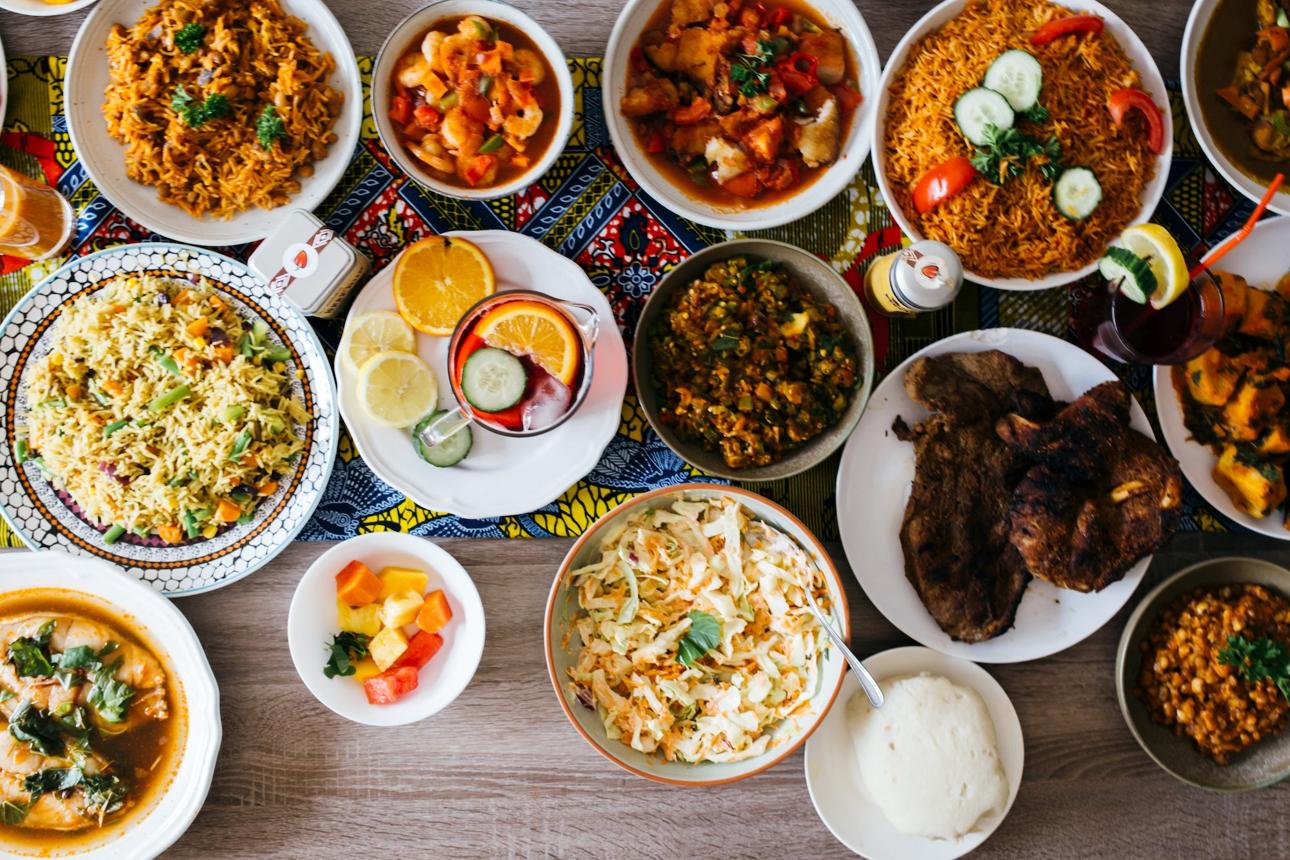
Africa’s enormous geographical size is the primary reason traditional African food changes so dramatically from one region to another. The ingredients available in a specific area depend heavily on local climate, soil conditions, and rainfall patterns. In parts of West Africa, staple crops such as cassava, yams, plantains, rice, millet, and sorghum form the foundation of most meals. Across East Africa, maize, cooking bananas, cassava, and indigenous grains are widely consumed. North African cuisine makes extensive use of wheat, fresh vegetables, legumes, dates, olives, and aromatic spices. Meanwhile, Southern African food traditions rely on ground grains, vegetables, livestock, and locally available wild ingredients. Even within a single country, culinary differences can be immense. Nigeria, for example, contains hundreds of distinct ethnic communities, each possessing its own recipes, flavor profiles, and regional preparation methods for the exact same staple ingredients.
Roots, tubers, plantains, and bananas form another critical pillar of African dishes. Yams hold immense cultural and spiritual significance in West Africa, celebrated through annual harvest festivals, while cassava is consumed widely across tropical Africa for its versatility and high energy yield. Sweet potatoes, plantains, and cooking bananas are essential throughout Central, West, and East Africa, where they are boiled, fried, roasted, pounded, or incorporated into rich stews. Rice has similarly achieved legendary status within African cooking. Although indigenous African rice (Oryza glaberrima) has been cultivated for millennia, foreign varieties and preparation techniques also spread through ancient trade routes. Today, West African rice preparations showcase how an ingredient can define regional pride, with Jollof rice standing as the most famous international ambassador of West African food culture, sparking friendly cross-border debates over which nation crafts the superior version.
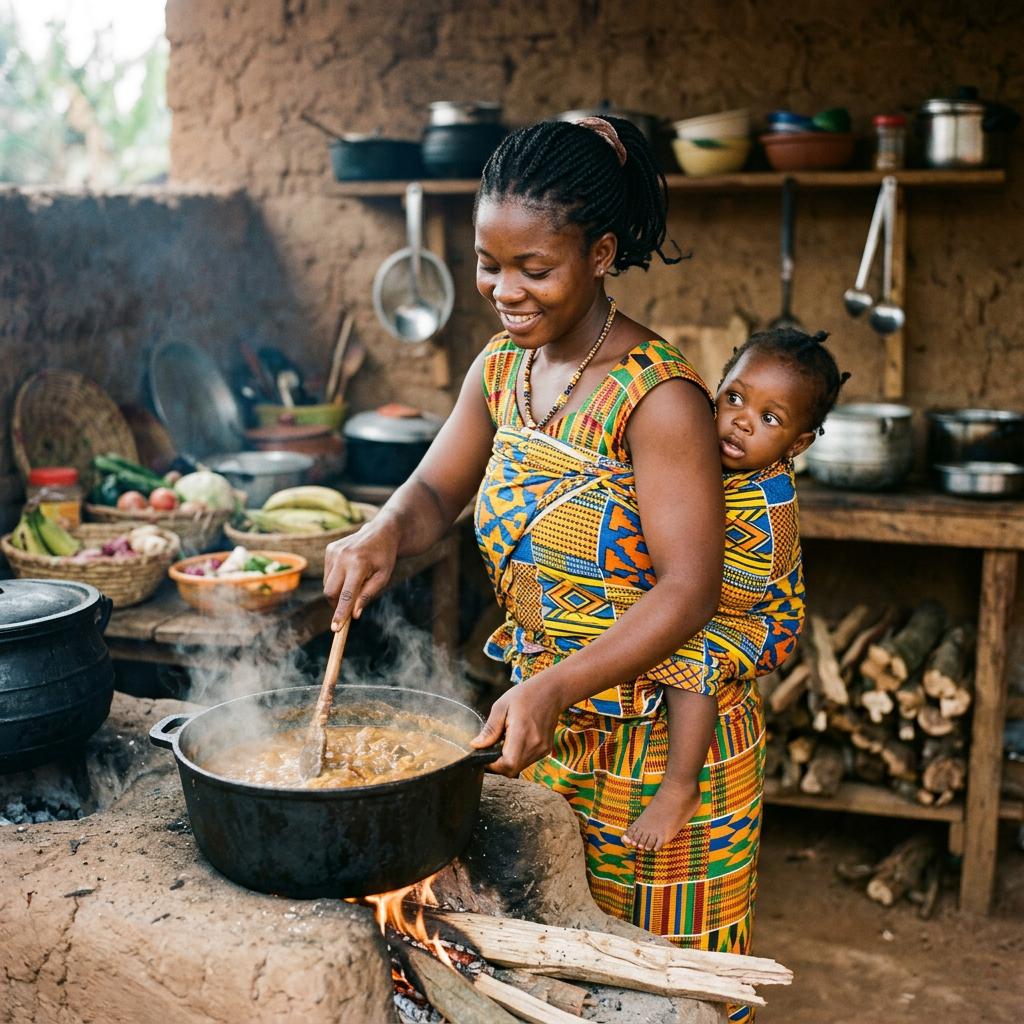
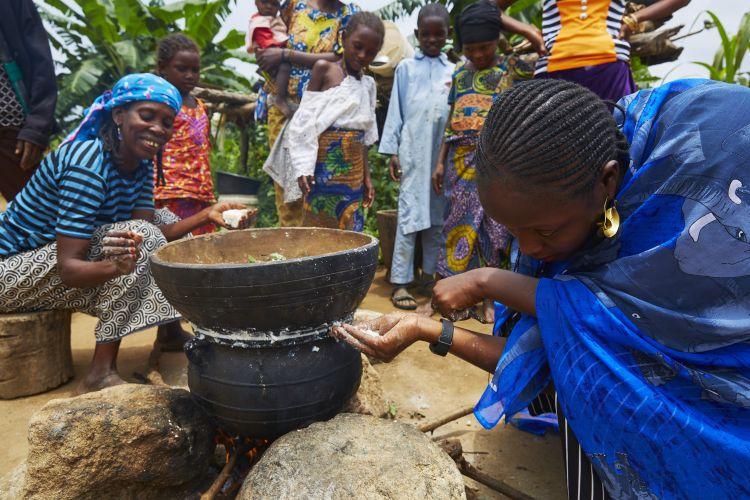
At its core, African culinary traditions emphasize communal participation and hospitality. Traditional meal preparation was historically a collaborative process where tasks were distributed among community members. One person processed raw grains, another tended woodfires, and others prepared vegetables or aromatic spice pastes. Children observed these steps, while elders provided detailed instructions on selecting fresh ingredients and timing complex cooking processes. In many societies, women have served as the primary custodians of culinary heritage, preserving complex preservation methods and passing family recipes through generations. However, labor organization varies across communities, with men heavily involved in pastoral management, ocean fishing, hunting, butchery, and specialized communal cooking.
Hospitality is a central moral value across African societies, where offering food to a guest expresses respect, generosity, and social solidarity. A guest is almost universally offered sustenance, regardless of a household’s financial standing. Soups and stews represent the most recognizable forms of traditional African cooking, engineered to combine vegetables, meat, fish, legumes, and aromatic seasonings into deeply flavorful communal meals. In West Africa, stews are often thickened using nutrient-dense ground melon seeds (egusi) or peanuts, while East African stews emphasize fresh tomatoes, onions, and indigenous leafy greens. The texture of these meals is held in equal regard to flavor. Pounded starches create smooth, elastic textures designed to scoop up rich sauces, while roasting, frying, and controlled fermentation alter both consistency and taste profiles.
Before mechanical refrigeration, African societies developed sophisticated preservation techniques, transforming food security into a practical science. Methods such as sun-drying, wood-smoking, salting, roasting, and lactic fermentation allowed communities to store seasonal harvests and protect against drought. Fermentation was particularly valued for its ability to transform raw grains, roots, and dairy into shelf-stable, gut-healthy foods with distinctive sour flavor profiles. Meat and seafood also carry diverse cultural meanings depending on local ecology. Pastoral groups hold livestock in deep social and economic esteem, often reserving meat consumption for major ceremonial events, whereas riverine and coastal communities rely continuously on fresh, smoked, or dried fish. Plant-based dining is equally foundational; extensively utilized legumes, indigenous nuts, melon seeds, and leafy greens mean that many traditional African dishes are naturally vegetarian, as seen in the rich fasting traditions of Ethiopian cuisine.
The global exchange of crops fundamentally transformed African culinary history following the introduction of cassava, maize, tomatoes, chili peppers, and sweet potatoes from the Americas. African farmers expertly integrated these foreign crops into existing agricultural systems and traditional recipes. Today, cassava leaves and tubers are processed using ancient techniques originally developed for indigenous roots, proving that African culinary creativity is defined by continuous adaptation and innovation. In modern Central African forests, West African coastal cities, East African highlands, and Southern African plains, traditional ingredients are continuously reimagined.
As migration expands the global African diaspora, traditional African food has traveled far beyond the continent’s geographic boundaries. From the Caribbean and South America to North America and Europe, West and Central African culinary techniques, ingredients, and flavor profiles heavily influenced iconic global cuisines. Today, the international visibility of African food is reaching unprecedented heights. Modern African chefs are gaining global recognition, high-end African restaurants are thriving in major world capitals, and social media platforms allow food creators to share ancestral recipes with millions of global viewers.
Despite urbanization and the rise of convenience foods, preserving culinary heritage remains vital to maintaining cultural identity. Traditional food is not a static relic of the past, but a living narrative of human resilience, environmental harmony, and social connection. To truly understand African cuisine is to recognize that food is far more than physical nourishment; it is an enduring archive of history, a celebration of community, and a vibrant expression of identity.
