


Closing the Circle
This series began by describing African traditional clothing as a language — a sophisticated system of color, pattern, material, and form through which communities across the continent have long communicated identity, status, spirituality, and history. Across nine preceding articles, that language was explored through Kente’s royal patterns, Adire’s indigo storytelling, Ankara’s improbable global journey, Maasai color symbolism, Zulu beadwork communication, Tuareg desert dress, the continent-wide significance of beads and jewelry, and the ceremonial occasions that draw all these threads into their most elaborate expression. This final article closes the circle, examining how that deep, historically rooted visual language has, over recent decades, moved decisively from primarily local and regional significance onto the global fashion stage — reshaping international perceptions of African creativity while raising important, still-unfolding questions about ownership, authenticity, and equitable participation in the resulting economic and cultural value.
The Post-Independence Foundation
As referenced at several points throughout this series, the mid-twentieth century wave of African independence movements provided crucial foundational momentum for traditional dress’s contemporary global visibility. Leaders including Ghana’s Kwame Nkrumah, discussed regarding Kente’s international diplomatic visibility, deliberately used traditional dress as a visible assertion of post-colonial African identity and sovereignty on the world stage, at a historical moment when many newly independent nations sought to actively reclaim and celebrate cultural practices previously suppressed or devalued under colonial administration.
 This period established an important precedent and psychological foundation: traditional African dress as a source of confident pride rather than something to be hidden or abandoned in favor of Western fashion norms, a foundation that subsequent generations of African designers, entrepreneurs, and cultural figures would build upon significantly as the twentieth century progressed into the twenty-first.
The Rise of African Fashion Weeks and Institutional Infrastructure
A crucial infrastructural development supporting African fashion’s global rise has been the establishment and growth of significant African fashion week events and related institutional infrastructure across the continent, providing formal platforms for African designers to showcase collections, connect with international buyers and media, and build the kind of sustained industry visibility that fashion markets globally depend upon for commercial success.
Lagos Fashion Week, established in the early 2010s, has grown into one of the continent’s most internationally recognized fashion events, showcasing Nigerian and broader West African designers to increasingly significant international audiences, buyers, and media attention, while South Africa Fashion Week, established even earlier, and other significant events across cities including Johannesburg, Nairobi, Accra, and Dakar, among numerous others, have collectively built a substantial, increasingly interconnected African fashion industry infrastructure extending well beyond any single national fashion capital.
These events have provided crucial platforms not only for established designers but for emerging talent, and have increasingly attracted significant international press coverage, buyer attention, and, in various documented cases, direct engagement and collaboration interest from major international fashion houses, retailers, and media platforms, reflecting a broader, sustained increase in international recognition of African fashion’s creative sophistication and commercial viability over the past two decades.
Designers Bridging Heritage and Global Fashion Language
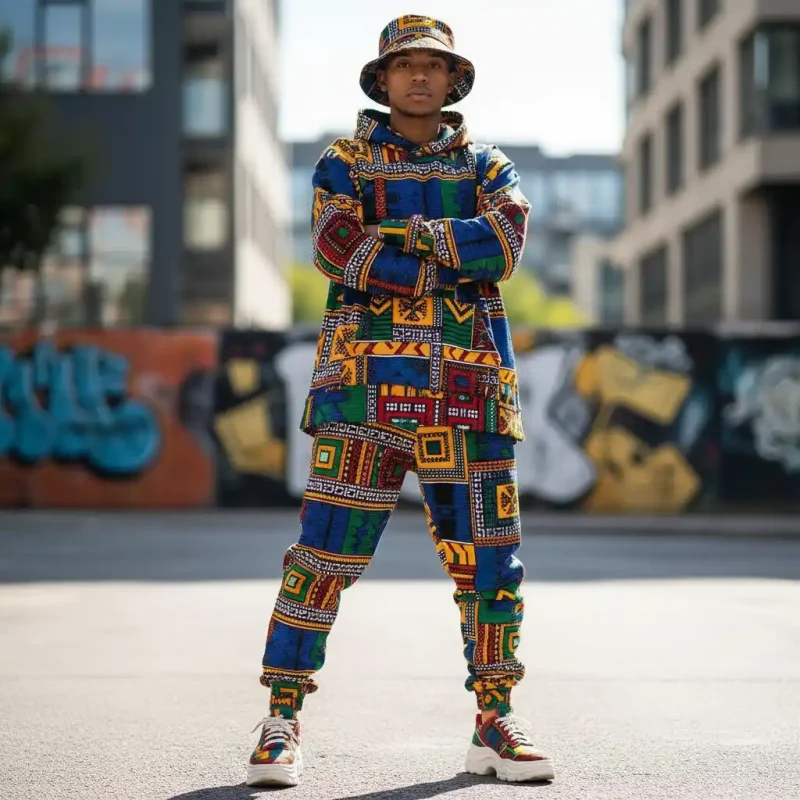
Central to African fashion’s global rise has been a generation of designers — working both on the continent and within the broader African diaspora — who have developed sophisticated approaches to incorporating traditional African textiles, techniques, and aesthetic sensibilities discussed throughout this series into garments and collections that speak fluently to global contemporary fashion sensibilities, without abandoning the cultural specificity and meaning that makes these traditions significant in the first place.
This design approach frequently involves several overlapping strategies: incorporating authentic traditional textiles (whether hand-woven Kente, hand-dyed Adire, or genuine wax-print Ankara, each discussed in detail earlier in this series) into contemporary garment silhouettes and constructions that align with current international fashion trends and consumer expectations; collaborating directly with traditional artisans and craft communities, including weavers, dyers, and beadworkers discussed throughout this series, to ensure authentic production techniques and, ideally, appropriate economic benefit flow back to originating craft communities; and drawing conceptual and aesthetic inspiration from traditional color symbolism, pattern meaning, and ceremonial dress conventions explored throughout this series, translating these deep cultural vocabularies into new garment forms that carry forward meaningful cultural resonance rather than superficial visual borrowing alone.
This design approach has produced increasingly internationally celebrated work, with African and diaspora designers achieving significant recognition within major international fashion publications, prestigious industry awards, and, in a particularly significant marker of mainstream fashion industry recognition, inclusion within major international fashion weeks in cities including Paris, London, New York, and Milan — venues that, for much of fashion industry history, offered limited visibility or recognition to African design talent and traditions.
Celebrity, Media, and Popular Culture Visibility
Beyond formal fashion industry infrastructure and designer achievement, African traditional dress and African-influenced contemporary fashion have gained significant additional visibility through prominent celebrity adoption and broader popular culture visibility over recent decades. International celebrities, musicians, and public figures — both of African descent and otherwise — have increasingly worn African-inspired or authentically African-made fashion for high-profile public appearances, red carpet events, and creative projects, generating substantial media attention and, in various documented cases, directly boosting international commercial interest in and demand for African fashion and specific African designers and brands.
Major internationally successful creative projects incorporating African fashion aesthetics prominently and, notably, working directly with African costume designers, textile specialists, and cultural consultants to ensure meaningful authenticity rather than superficial visual borrowing, have similarly generated substantial global attention to African fashion, textile traditions, and design aesthetics, introducing global audiences — many with limited previous exposure to the specific traditions discussed throughout this series — to the visual richness and cultural depth of African dress traditions.
Music, particularly the significant global rise of African popular music genres over the past decade, has similarly served as an important vector for African fashion’s global visibility, with prominent African musicians frequently incorporating traditional and contemporary African fashion into their public presentation, music videos, and international touring appearances, reaching substantial global audiences and contributing meaningfully to broader international fashion interest in African design, aesthetics, and textile traditions.
The Diaspora’s Role in African Fashion’s Global Rise
The African diaspora, particularly within North America, Europe, and the Caribbean, has played a historically significant and ongoing role in African fashion’s global expansion, serving simultaneously as an enthusiastic consumer market for African and African-inspired fashion, an important source of designer talent bridging African heritage with international fashion industry experience and market access, and, as discussed regarding Kente’s diaspora adoption earlier in this series, an important site of cultural reclamation and identity assertion through fashion choices connecting diaspora individuals to African heritage, even where direct genealogical or specific ethnic connection to particular traditions may not exist.
Diaspora fashion entrepreneurs and designers have, in numerous documented cases, played crucial roles in building international market access and commercial infrastructure connecting African textile producers, craftspeople, and designers to international consumers, retailers, and fashion industry platforms, functioning as important commercial and cultural intermediaries facilitating African fashion’s broader global commercial success, while diaspora consumer demand for authentically African and African-heritage fashion has provided crucial early and sustained market support for numerous African designers and brands as they built international visibility and commercial viability.
Persistent Tensions: Appropriation, Compensation, and Authenticity
As referenced at multiple points throughout this series — regarding Kente imitations, Adire imitation prints, Ankara appropriation controversies, Maasai commercial identity concerns, and craft compensation questions regarding beadwork and jewelry — African fashion’s global rise has consistently generated important, still largely unresolved tensions regarding cultural appropriation, fair economic compensation, and authentic versus superficial engagement with African traditional dress and textile traditions.
Documented instances of major international fashion houses and designers incorporating African-inspired prints, patterns, and design elements into collections without meaningful collaboration, acknowledgment, or compensation directed toward African designers, craftspeople, or the broader cultural and economic communities from which these traditions derive have generated substantial, ongoing criticism and advocacy from African fashion industry figures, cultural commentators, and craft community representatives, calling for greater industry accountability, more equitable collaborative models, and stronger recognition of African design contribution and intellectual and cultural ownership within the global fashion industry.
These ongoing conversations connect directly to broader questions explored throughout this series regarding intellectual property protection for traditional cultural knowledge and craft techniques, appropriate economic models for compensating originating craft communities as their traditional techniques and designs achieve broader commercial success, and the important distinction — raised regarding Kente, Adire, and Ankara specifically — between genuine handmade, artisan-produced traditional textiles and cheaper, culturally disconnected imitation products that can undercut authentic producers’ livelihoods while offering consumers a diminished, culturally hollowed version of the genuine tradition.
 Building African-Owned Fashion and Textile Infrastructure
A particularly significant and, by many industry accounts, accelerating trend within contemporary African fashion involves the expansion of African-owned manufacturing, design, and retail infrastructure directly capturing a greater share of the substantial economic value generated by African fashion’s growing global popularity, addressing directly the compensation and ownership concerns discussed above through structural, infrastructure-building solutions rather than relying solely on external industry goodwill or piecemeal advocacy.
This includes expanded African-owned textile manufacturing capacity, discussed regarding Ankara specifically, working to reduce historical dependence on non-African-owned manufacturers for even nominally “African” textile products; growing African-owned fashion retail and e-commerce infrastructure connecting African designers and craftspeople more directly to both domestic African and international consumer markets without requiring intermediary international fashion industry gatekeepers; and increased investment, both from African and international sources, in African fashion industry infrastructure including design education, manufacturing capacity, and international market access support, reflecting growing recognition of African fashion’s substantial and still significantly underdeveloped commercial potential.
Sustainability and the African Fashion Advantage
An additional dimension increasingly shaping African fashion’s contemporary global positioning involves growing international consumer and industry interest in sustainable, artisan-produced fashion as an alternative to mass-manufactured “fast fashion” production models increasingly criticized for significant environmental and labor concerns. African traditional textile and garment production traditions discussed throughout this series — handwoven Kente, hand-dyed Adire, skilled bespoke tailoring discussed regarding Ankara, and artisan beadwork and jewelry production discussed in previous articles — align naturally with this growing sustainability-conscious consumer interest, positioning authentic African fashion and textile traditions favorably within an important, growing segment of the contemporary global fashion market genuinely interested in supporting skilled artisan production, fair labor practices, and more environmentally sustainable fashion consumption models than dominant fast-fashion industry practices typically offer.
This alignment offers potentially significant opportunity for African fashion and textile industries moving forward, provided sufficient investment in market access, quality consistency, and international marketing infrastructure allows African artisan producers to effectively reach and serve this growing, genuinely interested international consumer segment on fair, sustainable commercial terms.
Conclusion: A Language Still Being Written
This series opened by describing African traditional clothing as a language — one spoken through color, pattern, material, and ceremony across an extraordinary diversity of specific cultural traditions, each carrying its own precise vocabulary and grammar, yet sharing deep structural commonalities in how dress communicates identity, status, spirituality, and belonging. This closing article demonstrates that this language, far from being a fixed historical artifact confined to museums or purely ceremonial contexts, continues to be actively spoken, adapted, and increasingly broadcast to global audiences through contemporary African fashion’s remarkable rise onto the international stage.
From Kwame Nkrumah’s deliberate diplomatic Kente-wearing in the early independence era, through the establishment of significant African fashion week infrastructure, to contemporary designers skillfully bridging authentic traditional craft with global fashion sensibility, and finally to growing African-owned infrastructure working to ensure fair economic participation in this global success — African fashion’s journey from heritage to global runway represents both a continuation and an expansion of the deep, sophisticated visual language explored throughout this series. The specific traditions profiled — Kente, Adire, Ankara, Maasai dress, Zulu attire, Tuareg clothing, beadwork, and ceremonial dress — are not being left behind as African fashion goes global; rather, they form the essential, still-evolving vocabulary from which contemporary African fashion continues to draw its distinctive creative voice, ensuring that as this fashion tradition reaches ever-wider global audiences, it carries with it the depth, specificity, and hard-won cultural meaning that has always distinguished African traditional clothing as far more than mere decoration — a living, continuously spoken language of identity, pride, and belonging.
