

There is an Akan proverb from Ghana that says,
“Se wo were fi na wosankofa a yenkyi”
It is not wrong to go back for that which you have forgotten. The Sankofa principle, often symbolised by a bird reaching backward to retrieve an egg from its own back, has become one of the most widely recognised philosophical expressions of the value of heritage anywhere in African thought, and it offers a fitting note on which to close this ten-part series. Having journeyed from the pyramids of Egypt and Meroë to the rock-hewn churches of Lalibela, from the stone walls of Great Zimbabwe and Benin to the manuscripts of Timbuktu, and from the haunting memory of Gorée Island and Robben Island to the broader question of what heritage means across the continent, this final article turns from description to responsibility, examining the threats facing Africa’s heritage sites today and the growing, increasingly African-led movement working to protect them for future generations.
A Recap of Recurring Threats
Across the nine sites profiled in this series, several recurring categories of threat emerge with striking consistency, regardless of a site’s age, location, or historical significance. Climate change stands as perhaps the most universally applicable threat, manifesting differently across different contexts but consistently corrosive: rising sea levels and coastal erosion threaten Gorée Island’s colonial-era buildings; shifting rainfall patterns accelerate the erosion of Timbuktu’s mudbrick mosques and threaten the structural stability of Lalibela’s soft volcanic tuff churches; and increasingly unpredictable weather patterns complicate conservation planning at open-air sites from Great Zimbabwe to Meroë, where extreme heat and occasional flash flooding place growing stress on centuries-old stonework never engineered with contemporary climate volatility in mind.
Armed conflict represents an equally serious and, in several cases discussed throughout this series, devastatingly realised threat. Timbuktu’s manuscripts and mausoleums faced deliberate destruction during the 2012 extremist occupation of northern Mali, an episode that stands as one of the starkest reminders anywhere in the world of how quickly centuries of accumulated heritage can be threatened by contemporary political violence. Ongoing instability in Sudan raises similar concerns for the long-term protection of Meroë’s pyramid fields, while conflicts elsewhere on the continent continue to place numerous other, less internationally documented heritage sites at serious and sometimes irreversible risk.
Beyond climate and conflict, more gradual but no less consequential pressures continue to erode Africa’s heritage landscape: rapid urbanisation encroaching on archaeological zones and historic districts, as seen in the ongoing loss of sections of Benin’s once-extensive earthwork walls to modern urban development; chronic underfunding of heritage authorities and conservation infrastructure across much of the continent, limiting the scope and pace of necessary preservation work; and the long, still not fully resolved legacy of colonial-era looting, which continues to keep significant portions of several sites’ portable cultural heritage, most notably the Benin Bronzes, dispersed across museum collections far from the communities and contexts that originally produced them.
 The Uneven Geography of Recognition
A theme returned to repeatedly throughout this series deserves explicit acknowledgment in this concluding article: the striking and persistent imbalance in global recognition and attention between different African heritage sites, and between African heritage more broadly and heritage sites in other regions of the world. The pyramids of Meroë, despite outnumbering Egypt’s pyramids and representing an equally significant civilizational achievement, receive a fraction of the international visitors and scholarly attention directed toward Giza. The Benin Walls, potentially the longest combined earthwork construction undertaken anywhere in the pre-modern world, remain, remarkably, without UNESCO World Heritage designation, unlike numerous comparably significant fortification systems recognised elsewhere. This pattern extends well beyond the specific sites profiled in this series, reflecting broader and long-documented structural imbalances in how international heritage recognition, funding, and scholarly attention have historically been distributed, with African sites, and particularly those in less politically stable or economically developed regions of the continent, frequently receiving disproportionately less support and attention relative to their genuine historical and architectural significance.
Addressing this imbalance requires sustained effort on multiple fronts: expanded African-led nomination and advocacy for currently unrecognised sites deserving of UNESCO or equivalent national and regional heritage status; increased investment in African-led archaeological research and heritage scholarship, reducing continued reliance on foreign institutions and funding bodies whose priorities do not always align closely with the interests and needs of local communities and national heritage authorities; and a broader shift in global tourism and media attention toward the full breadth of Africa’s heritage landscape, rather than the relatively narrow selection of sites that have historically dominated international awareness.
Community-Led Preservation as a Model
One of the clearest and most encouraging patterns to emerge across this series is the central, often underappreciated role that local communities themselves play in sustaining heritage sites, frequently with far greater consistency and cultural sensitivity than external conservation efforts alone could achieve. The annual communal replastering of Timbuktu and Djenné’s great mudbrick mosques, in which large numbers of local residents come together each year following the rainy season to repair and maintain these historic structures, represents a model of heritage preservation embedded directly within living community practice and religious devotion, rather than imposed from outside as a purely technical or academic conservation exercise. Similarly, the family manuscript libraries of Timbuktu, and the extraordinary rescue operation local residents organised during the 2012 crisis, demonstrate how deeply rooted, generationally transmitted community custodianship can prove more resilient and more rapidly responsive in a genuine crisis than centralised institutional preservation systems operating at greater physical and cultural distance from the sites themselves.
This pattern suggests an important principle for the future of African heritage preservation: that the most sustainable and resilient conservation strategies are likely to be those that work with, rather than around or in place of, existing community relationships to heritage sites, providing technical resources, funding, and international coordination where genuinely needed while respecting and reinforcing, rather than displacing, local traditions of custodianship that have often protected these sites successfully across many centuries, long before the emergence of formal international heritage frameworks.
Restitution and the Unfinished Business of Colonial Looting
The ongoing restitution movement, discussed in detail in relation to the Benin Bronzes elsewhere in this series, represents one of the more significant and rapidly evolving fronts in contemporary African heritage advocacy. Growing numbers of European museums and governments have, in recent years, begun returning looted artifacts to their countries and communities of origin, a shift driven substantially by sustained advocacy from African governments, cultural institutions, and diaspora communities, combined with a broader and overdue reckoning within Western cultural institutions regarding the colonial-era circumstances under which many of their most significant African collections were originally acquired.
This restitution movement extends well beyond the Benin Bronzes specifically, encompassing ongoing discussions regarding numerous other categories of African cultural material held in museum and private collections across Europe and North America, and represents an important and, for many African nations and communities, deeply significant form of heritage protection in its own right: not simply preserving physical sites in place, but working to reunite dispersed cultural heritage with the communities and contexts from which it was originally, and often violently, removed.
Technology and the Digital Frontier of Preservation
Advancing digital technology increasingly offers African heritage authorities and international partners powerful new tools for documentation, preservation, and public engagement, complementing rather than replacing traditional physical conservation work. Three-dimensional laser scanning and photogrammetry projects have created detailed digital records of numerous African heritage sites in recent years, generating permanent digital archives that can support both ongoing conservation planning and, in the event of future damage from conflict, natural disaster, or gradual deterioration, potentially inform physical restoration efforts using precise digital measurements that would otherwise be impossible to reconstruct from memory or incomplete historical documentation alone.
Digital manuscript preservation initiatives, building on the extraordinary physical rescue of Timbuktu’s manuscripts during the 2012 crisis, continue to expand access to previously fragile and geographically inaccessible historical documents for researchers worldwide, while virtual reality and online exhibition technologies increasingly allow global audiences to engage meaningfully with African heritage sites they may never have the opportunity to visit in person, expanding public awareness and appreciation in ways that, while never a full substitute for physical preservation and in-person visitation, nonetheless represent a valuable and rapidly growing complement to traditional heritage protection strategies.
The Rising Generation of African Heritage Advocates
Perhaps the most genuinely hopeful development shaping the future of African heritage preservation is the growing prominence of a younger generation of African archaeologists, historians, heritage professionals, and cultural advocates increasingly leading research, conservation, and public engagement efforts across the continent, in contrast to earlier historical periods when foreign archaeologists and institutions dominated the study and interpretation of African heritage sites, often with limited meaningful involvement from local African scholars and communities.
This generational shift carries significant implications for how African heritage is researched, interpreted, and presented going forward, bringing perspectives, priorities, and cultural sensitivities often more closely aligned with the interests and understanding of the communities most directly connected to these sites, and increasingly making effective use of digital media, social platforms, and international academic and professional networks to advocate for expanded recognition, funding, and protection for sites that have historically received insufficient attention on the global stage. Universities and heritage training programmes across the continent continue to expand their capacity to train new generations of African heritage professionals, gradually reducing the historical reliance on foreign expertise and institutional support that characterised much of the twentieth-century history of African archaeology and heritage conservation.
Balancing Tourism, Development, and Preservation
A persistent challenge running throughout this series, and one that will continue to shape the future management of virtually every site discussed, involves the delicate balance between heritage tourism’s substantial economic benefits and the preservation demands that responsible, sustainable heritage management requires. Tourism revenue provides essential funding for ongoing conservation work and supports local economies and livelihoods at numerous sites profiled throughout this series, from Egypt’s pyramids to Robben Island, yet unmanaged or excessive visitor pressure can itself contribute to physical wear, environmental strain, and, in some cases, a gradual erosion of the solemnity or cultural significance particularly associated with sites of atrocity and memory such as Gorée Island and Robben Island.
Developing sustainable tourism models that generate necessary revenue while genuinely protecting both the physical fabric and the cultural and historical integrity of heritage sites remains an ongoing and, in many respects, still unresolved challenge across the African heritage sector, requiring careful, context-specific planning that accounts for each site’s particular vulnerabilities, cultural sensitivities, and the practical realities of the local communities and national economies that depend, in part, on continued heritage tourism revenue.
 Legal Frameworks and the Role of National Heritage Authorities
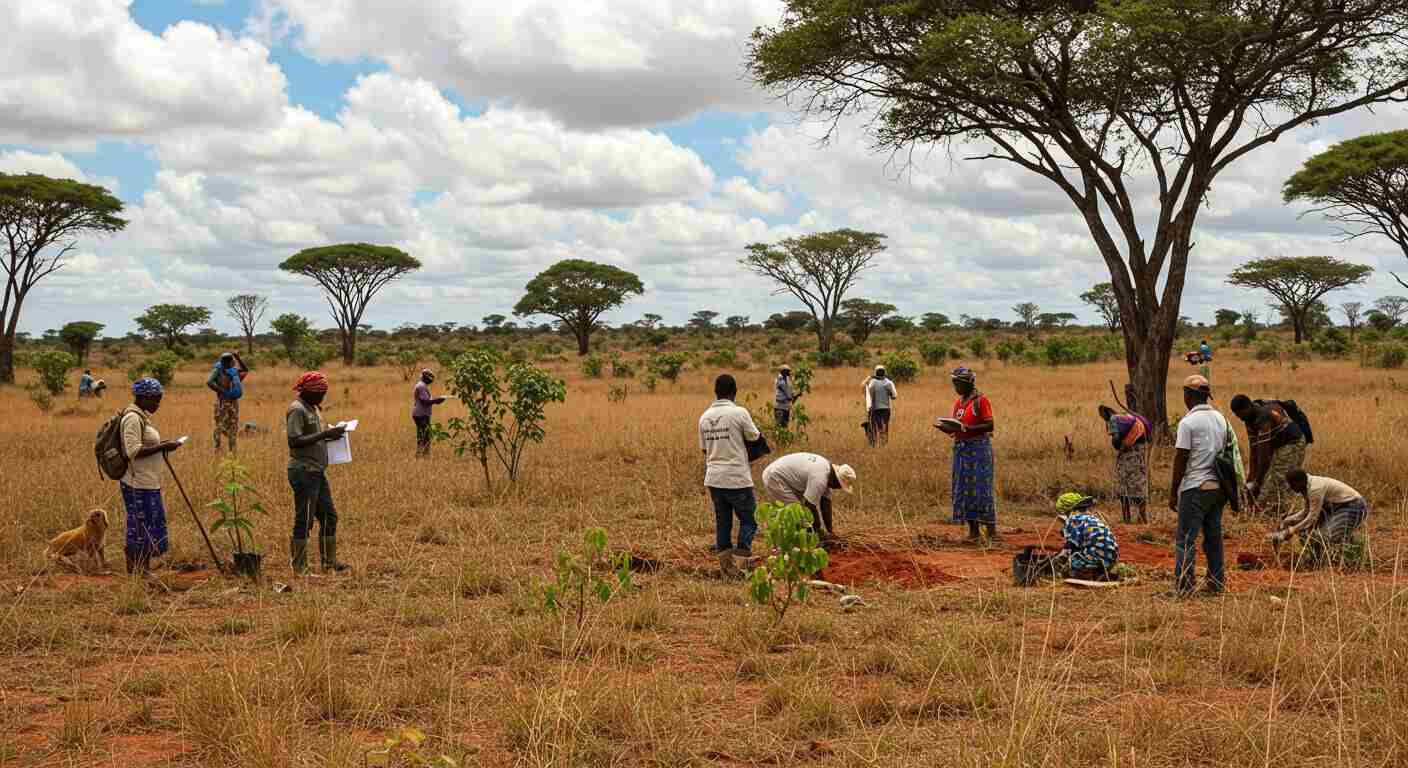
Beyond community custodianship and international recognition through mechanisms such as UNESCO’s World Heritage List, the long-term protection of Africa’s heritage sites depends significantly on the strength and effectiveness of national legal and institutional frameworks governing heritage protection within individual African countries. Many African nations have, over recent decades, established or substantially strengthened national heritage authorities, legal protections for designated historic sites, and formal archaeological permitting systems designed to regulate excavation, development, and conservation activity affecting significant cultural and historical sites.
However, the practical effectiveness of these frameworks varies considerably across the continent, frequently constrained by limited government funding, competing development priorities, and, in some contexts, weak enforcement capacity relative to the scale of urban development, resource extraction, and infrastructure projects that can threaten heritage sites, as seen in the ongoing pressure rapid urban development places on the surviving sections of Benin’s earthwork walls. Strengthening these national legal and institutional frameworks, and ensuring they are adequately resourced and genuinely enforced rather than existing only as formal legislation with limited practical application, represents an essential, if less internationally visible, component of the broader effort to protect Africa’s heritage sites for the future, complementing the community-level and international dimensions of heritage protection discussed elsewhere in this article.
Regional cooperation frameworks, including collaborative initiatives coordinated through the African Union and various regional economic and cultural organisations, have also grown increasingly significant in recent years, recognising that many heritage protection challenges, from climate change impacts to the cross-border trafficking of looted cultural artifacts, cannot be effectively addressed through purely national frameworks alone and require sustained cooperation and information-sharing among African nations facing broadly similar heritage protection challenges.
What Individual Visitors and Advocates Can Do
While the large-scale structural challenges facing African heritage preservation, from climate change to underfunding to the unresolved restitution of looted artifacts, require coordinated action at the level of governments, international organisations, and heritage institutions, individual visitors, researchers, and heritage enthusiasts also have meaningful roles to play in supporting the sites profiled throughout this series. Responsible tourism practices, including respecting site-specific guidelines, supporting locally owned accommodation and guiding services rather than solely international tour operators, and taking time to genuinely learn about a site’s history and cultural significance rather than treating a visit as a purely superficial photo opportunity, all contribute meaningfully to the kind of sustainable, community-benefiting tourism model discussed earlier in this article.
Beyond direct visitation, supporting African-led heritage research, advocacy, and educational initiatives, whether through direct financial contribution, amplifying awareness of underrecognised sites and ongoing restitution efforts, or simply taking the time to seek out and engage with African heritage narratives told from African perspectives rather than relying solely on external or historically distorted accounts, represents a meaningful way for individuals anywhere in the world to contribute to the broader project this series has sought, in its own small way, to advance: ensuring that Africa’s extraordinary heritage receives the recognition, protection, and understanding it has always deserved.
Conclusion: Looking Back to Move Forward
This series opened with the observation that a people without knowledge of their history is like a tree without roots, and it closes, fittingly, with the Sankofa principle: that it is never wrong to go back for what has been forgotten or neglected. Africa’s heritage sites, from the ancient pyramids of the Nile Valley to the comparatively recent but no less historically significant walls of Robben Island, represent an extraordinary, still incompletely recognised inheritance, one facing genuine and mounting contemporary threats from climate change, conflict, underfunding, and the unresolved legacy of colonial-era looting, but one increasingly protected, interpreted, and championed by a growing generation of African communities, scholars, and heritage advocates determined to ensure these windows into the past remain open for generations yet to come.
The task of protecting this heritage was never, and will never be, complete. Like the annual replastering of Djenné’s great mosque, heritage preservation is not a single achievement to be completed once and then forgotten, but an ongoing, generational commitment, renewed again and again by each community, each government, and each individual custodian who chooses, in the spirit of Sankofa, to reach back for what came before, understanding that only by doing so can the continent’s remarkable past continue to inform, inspire, and instruct its future.
Sankofa’s bird, after all, does not simply linger in the past. It reaches backward with a single, deliberate motion, retrieves what has value, and continues forward, carrying that recovered inheritance into whatever comes next. That, in the end, is the task this entire series has attempted, in its own modest way, to model: to look back clearly and honestly at Africa’s pyramids, cities, churches, manuscripts, walls, and prisons, not out of nostalgia, but so that the continent’s future, and the world’s understanding of it, might be built on a fuller and more accurate foundation than it has too often been given.
