
Yam Festivals: Harvest, Community, and Renewal
Across West Africa and parts of the broader African diaspora, the Yam Festival stands as one of the most culturally significant, spiritually profound, and visually vibrant agricultural celebrations. Deeply rooted in the agrarian traditions of nations like Nigeria, Ghana, Togo, and Benin, the festival marks the end of the rainy season, the culmination of months of grueling agricultural labor, and the arrival of the first yam harvest. Yam is far more than a staple food crop in these societies; it is venerated as the “king of crops,” a symbol of prosperity, masculinity, health, and ancestral favor. The New Yam Festival—known variously as Iri Ji among the Igbo, Homowo or Odwira among Ghanaian communities, and Homowo or Ijeshu among the Yoruba—is an indispensable cultural institution that blends thanksgiving rituals, ancestral veneration, social reconciliation, and exuberant communal feasting.
The cultural elevation of the yam stems from its historical role as a life-sustaining crop requiring immense physical strength, agricultural precision, and spiritual devotion to cultivate successfully. Preparing the soil, mounding the earth, staking the vines, and protecting the tubers from disease demands months of sustained labor from families and communities. Because a successful yam harvest historically meant the difference between survival and famine during the lean months, the emergence of the first mature tubers is treated as a divine blessing. Consequently, traditional law across many West African societies strictly forbids eating the new yam before the formal celebration and sacred rites of the festival are completed. Consuming the harvest prematurely is viewed as an act of spiritual ingratitude that risks bringing bad luck, agricultural failure, or ancestral displeasure upon the community.
In its philosophical essence, the Yam Festival is a celebration of life’s continuous cycles of death, rebirth, and renewal. When a yam seed tuber is buried in the earth, it rots away to give life to a new, larger tuber—a process that mirrors the human lifecycle and the spiritual transition of ancestors. The festival serves as a temporal bridge connecting the living community with the unseen world of deities and departed ancestors who are believed to fertility-charge the soil and protect the crops. By presenting the very first harvested tubers as sacred offerings to the ancestors and nature spirits before human consumption begins, communities express gratitude for past protection while invoking blessings for future health, high crop yields, and peace.
Beyond its spiritual and agricultural significance, the Yam Festival acts as a powerful catalyst for social cohesion, family unity, and civic order. It marks a period of social cleansing and communal renewal where long-standing interpersonal conflicts must be resolved, debts forgiven, and grievances laid aside. Dispersed family members, urban professionals, and diaspora communities undertake annual journeys back to their ancestral homelands to participate in the festivities, reinforcing lineage bonds and village solidarity. Through elaborate traditional cooking, wrestling competitions, royal processions, traditional music, and masquerade performances, the Yam Festival reaffirms communal identity, celebrates hard work, and honors the enduring relationship between human society and the earth.
harvest, celebration, community and African cultural identity.
The Cultural and Symbolic Economy of the Yam
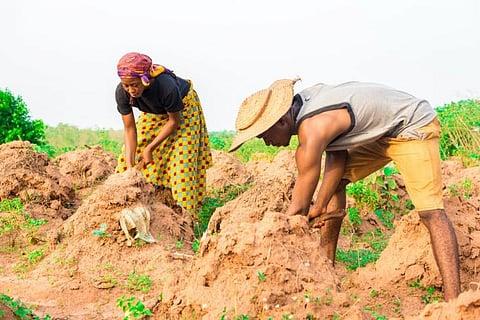
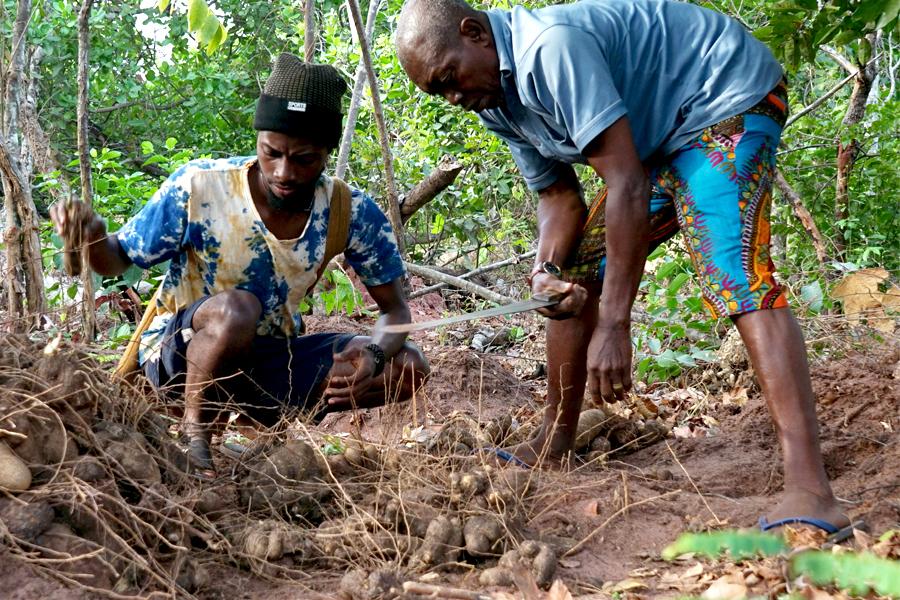
To understand the profound importance of the Yam Festival, one must first appreciate the unique status of the yam (Dioscorea species) within West African societies. Unlike grain crops such as millet, rice, or maize, which can be broadcast-sown across wide fields, yam cultivation is an intensive, individual, and deeply meticulous art form. Each tuber must be hand-planted in carefully constructed mounds of fertile soil, staked with sturdy timber to support trailing vines, and tended continuously throughout the growing season. Historically, the size and quality of a man’s yam barn served as the ultimate measure of his wealth, industry, moral character, and social standing. A full yam barn demonstrated an individual’s ability to feed his extended family, host generous feasts, and support the broader community during times of need.
In many West African cultures, particularly among the Igbo of southeastern Nigeria, the yam is explicitly gendered and spiritualized. It is regarded as a divine gift from the Supreme Being (Chukwu) and the earth goddess (Ala or Ani), mediated through the deity Ahiajoku (or Ifejioku), the spirit guardian of yams. Title-taking societies, such as the Eze Ji (Yam Kings) or Eze Dibia, were created to honor master farmers who achieved extraordinary agricultural yields. Becoming a Yam King required harvesting thousands of high-quality tubers and distributing a significant portion to the needy, thereby converting agricultural labor into institutional authority, prestige, and moral leadership.
The yam also carries profound symbolic value as a source of physical strength and vitality. Yam dishes—whether pounded yam (Utara Ji or Iyan), roasted yam served with palm oil, or rich yam stews—form the centerpiece of royal banquets, wedding feasts, title ceremonies, and funerary rites. The crop’s high nutritional value historically sustained large populations across the forest and savanna belts of West Africa, powering kingdom expansion, urban trade, and complex societal development. Thus, when a community gathers to celebrate the new yam, they are not simply celebrating a vegetable; they are honoring the foundational pillar of their civilization, agrarian economy, and collective survival.

Ritual Structure of the Festival: From Field to Feast
While specific customs vary from town to town, the New Yam Festival follows a carefully structured ritual timeline that transitions the community from a state of anxious waiting and spiritual restraint to one of joyful abundance and communal celebration. This transition typically unfolds across several distinct phases over two or more days.
Purification and Preparation
In the days leading up to the festival, the community undergoes a thorough physical and spiritual cleansing. Village squares, ancestral shrines, family compounds, and pathways are swept clean and repaired. Old yam tubers from the previous year’s harvest must be completely consumed, gifted away, or discarded, ensuring that the new agricultural cycle begins with an absolute clean slate. Sacred shrines dedicated to the earth goddess and agricultural deities are redecorated with fresh chalk (Nzu), palm fronds, and red ochre. On a personal level, individuals are expected to settle interpersonal disputes, ask for forgiveness, and banish anger from their hearts, as harborings of malice during the sacred harvest period are believed to pollute the ritual purity of the offerings.
The First-Fruits Offering
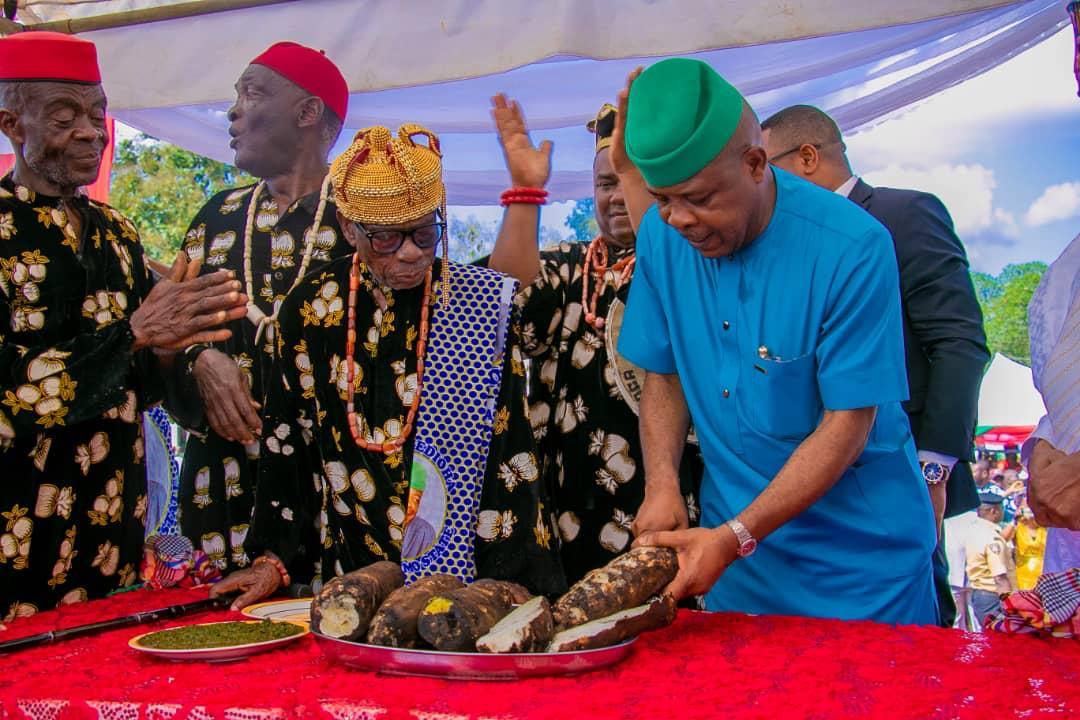
The festival formally commences with the ritual harvesting of the very first yams by the traditional ruler, chief priest, or family patriarch. Before anyone in the general public may taste the new crop, these premier tubers are brought to the central shrine or ancestral altar. The chief priest or elder performs the sacred first-fruits ceremony, slicing a portion of the roasted or boiled new yam and offering it to the deities and ancestors alongside libations of palm wine, kolanuts, and prayers. The prayer typically follows a traditional formula:
“Great Earth Goddess, ancestors who guarded our soil, we bring you the first fruits of our sweat. As we eat this new yam, let it bring health, not sickness; let it bring life, not death. Bless our children, multiply our yields, and grant peace to our land.”
Only after the spiritual world has been served and propitiated is the new yam declared safe and blessed for human consumption.
The Communal Feast
Following the sacred offerings, the atmosphere transforms into one of unrestrained joy and hospitality. Massive quantities of new yams are roasted, boiled, and pounded in large wooden mortars across every household. Pounded yam—smooth, elastic, and piping hot—is served alongside rich, aromatic traditional soups such as egusi, bitterleaf, oha, or palm nut soup, heavily laden with fish, bushmeat, and fresh palm oil. Generosity is the ruling ethics of the day; doors are thrown wide open to neighbors, travelers, in-laws, and strangers. Refusing to feed a visitor during the Yam Festival is considered a grave breach of traditional etiquette.
Performance, Sports, and Masquerade
Once the feasting concludes, the community gathers at the village square (Ama or Ilo) for the public display of cultural arts. Age-grades perform synchronized traditional dances, while master drummers beat intricate rhythms on talk drums, slit gongs (Ikoro), and twin metal bells. A central highlight in many communities is traditional wrestling (Egba Mgba), where young men demonstrate their physical prowess, stamina, and agility in honorable combat, cheered on by elders and peers. As the afternoon wanes, vibrant masquerades (Mmanwu) emerge from the sacred groves to entertain the crowd, perform athletic acrobatic displays, dispense blessings, and enforce moral discipline through witty satire and spirit performances.
Regional Variations Across West Africa
Although the foundational philosophy of thanking the earth and celebrating the harvest remains constant, different West African cultures have developed unique, distinct expressions of the Yam Festival that reflect their specific histories, royal institutions, and spiritual worldviews.
The Igbo Iri Ji Festival (Nigeria)
Among the Igbo people of southeastern Nigeria, the Iri Ji (literally “Yam Eating”) festival is perhaps the most universally celebrated cultural event. It serves as a unifying national holiday across Igbo communities worldwide. The festival highlights the deep connection between the people, Ala (the earth goddess), and Ahiajoku (the yam deity). The traditional ruler (Eze or Igwe) plays a central leadership role, cutting the first yam in a grand public ceremony before royal titleholders and elders. The event is characterized by the display of giant yams, intense drumming, traditional wrestling matches, and the appearance of majestic masquerades like the Ijele—the largest mask in Sub-Saharan Africa, representing an entire cosmos of spirits, animals, and human figures on a towering fabric structure.
The Ga Homowo Festival (Ghana)
In Ghana, the Ga people of Greater Accra celebrate Homowo, a harvest festival deeply tied to both yam and maize harvests. The word Homowo literally translates to “hooting at hunger.” Historical tradition holds that centuries ago, the Ga people experienced a severe, devastating famine during their coastal migrations. When the rains finally returned and yielded a bountiful harvest of yams and corn, the people celebrated by making noise, drumming, and symbolically “hooting” at the memory of hunger to banish it forever. During Homowo, the Paramount Chief processes through the streets sprinkling Kpokpoi—a sacred festival dish made from steamed cornmeal and palm oil, eaten alongside palm nut soup—onto the ground and at ancestral shrines to feed the spirits and ensure ongoing prosperity.
The Ashanti Odwira Festival (Ghana)
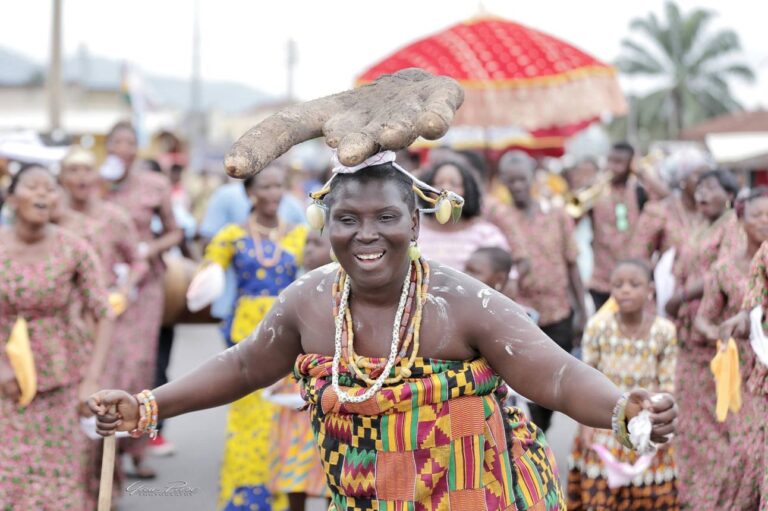
The Odwira festival, celebrated by the Akan people—particularly the Ashanti and Akuapem of Ghana—is a majestic, multi-day affair that combines the yam harvest with royal statecraft, ancestral stool cleansing, and national purification. Introduced during the reign of Anokye and Osei Tutu I in the seventeenth century, Odwira marks a period of spiritual cleansing for the state. Golden and wooden ancestral stools—the physical vessels containing the spirits of deceased kings—are brought out from sacred stool rooms, purified with river water, and offered fresh yam dishes. The festival features stunning displays of royal court art, where the Asantehene (King of the Ashanti) or paramount chiefs process in grand palanquins under massive ceremonial umbrellas, adorned in heavy gold jewelry and brilliant Kente cloth.
The Yoruba Ijeshu and Orisha Oko Rites (Nigeria and Benin)
Among the Yoruba people of southwestern Nigeria and neighboring Benin Republic, the consumption of new yam is closely intertwined with the veneration of Orisha Oko, the deity of agriculture, soil fertility, and farming. Before new yams can be brought to municipal markets or eaten in households, special rituals are performed by priests of Orisha Oko and village kings (Obas). Freshly harvested yams are roasted and pounded at shrines, accompanied by intricate drum poetry played on Dundun (talking drums) and Bata drums. The festival incorporates vibrant street processions, royal blessings, and performances by Egungun masquerades, who represent the physical return of ancestral spirits to bless their living families with fertility, health, and abundant future harvests.
Social Reconciliation, Gender Roles, and Kinship Dynamics
While the Yam Festival is overtly a celebration of agriculture, its underlying social mechanics serve as a crucial framework for maintaining community order, strengthening gender alliances, and reinforcing kinship networks.
Social Reconciliation and Conflict Resolution
In many traditional judicial systems, the period preceding the New Yam Festival serves as a hard deadline for resolving civil disputes and interpersonal grievances. Unsettled quarrels between neighbors, boundary disputes between farm owners, or family feuds are brought before village elders, age-grade courts, or council chiefs for adjudication. Because participating in the sacred communal feast while harboring bitterness is believed to bring spiritual misfortune, individuals are strongly motivated to accept arbitrated settlements, apologize for offenses, and forgive debtors. The festival atmosphere creates a shared psychological space where social harmony is actively restored, allowing the community to move into the new agricultural year as a unified body.
Gender Roles and Complementary Labor
The Yam Festival clearly highlights the complementary gender roles that define traditional agrarian societies. While clearing land, digging mounds, staking, and harvesting yams are historically recognized as heavy male-dominated activities, women play an equally vital, indispensable role in the agricultural and festival economy. Women cultivate companion crops—such as cassava, cocoyams, vegetables, melons, and peppers—that form the essential ingredients for the rich festival soups.
During the festival itself, women take center stage as the primary culinary artists, cultural singers, and choreographers. Preparing pounded yam and complex traditional soups for dozens of family members and unexpected guests requires extraordinary skill, organizational ability, and physical labor. Women’s age-grades organize elaborate dance routines, wearing matching traditional wraps (Up and Down or George cloth), uniform headties, and specialized coral or glass bead jewelry. Their songs praise industrious farmers, mock lazy individuals, celebrate motherhood, and pass down moral instruction to younger girls, demonstrating that female cultural authority is central to the success of the harvest celebration.
Strengthening Kinship and Diaspora Ties
The festival also serves as a critical mechanism for reinforcing extended family structures (Umunna) and marital alliances. During the celebrations, newly married women traditionally return to their parental homes carrying gifts of roasted new yams, palm oil, and fish, accompanied by their husbands. In return, the bride’s parents bestow blessings, livestock, and traditional household gifts upon the couple, reaffirming the alliance between the two families. Furthermore, for members of the community living in distant cities or foreign countries, attending the annual Yam Festival is a sacred cultural duty. The returning diaspora injects economic capital into the local economy, funds community development projects—such as schools, roads, and civic halls—and ensures that children raised away from their homelands remain deeply grounded in their ancestral language, values, and identity.
Modern Transformation, Adaptation, and Global Reach
In the contemporary era, rapid urbanization, economic modernization, global migration, and religious shifts have transformed the landscape in which the Yam Festival is celebrated. Rather than fading away, however, the festival has demonstrated remarkable adaptability, expanding from a rural agrarian rite into a global celebration of African identity, cultural tourism, and heritage preservation.
 Commercialization and Cultural Tourism
In many West African nations, traditional rulers, civic associations, and government Ministries of Culture have repackaged the New Yam Festival into major tourist destinations and commercial cultural events. Corporate sponsorships from telecommunication companies, beverage brands, and financial institutions now fund grand festival stages, high-value prizes for agricultural competitions, and national media broadcasts. State governments utilize these festivals to showcase regional agricultural potential, attract foreign investment, and promote domestic tourism. While this modernization provides financial resources that keep the traditions vibrant, it also creates ongoing debates among elders regarding the risk of trivializing sacred spiritual rituals into mere commercial spectacles.
Religious Shifts and Syncretism
The widespread adoption of Christianity and Islam across West Africa has introduced complex dynamics to Yam Festival traditions. In the past, some Christian converts avoided the festival due to its historical association with indigenous shrine offerings, libations, and ancestral veneration, which were perceived as incompatible with Christian doctrine. In response, many contemporary communities have developed adapted or syncretic versions of the celebration. It is now common to see “Harvest Thanksgiving” services held in Christian churches, where farm owners bring their largest new yams to the church altar to be blessed by priests or pastors before public feasting begins. This adaptation allows individuals to maintain their religious faith while fully participating in the civic and cultural heritage of their ancestors.
The Global Diaspora and Digital Preservation
As West Africans have migrated across the globe, they have carried the Yam Festival with them, establishing annual Iri Ji and Homowo celebrations in major international cities across North America, Europe, Asia, and the Caribbean. Organized by diaspora cultural associations, these international festivals feature traditional drumming, dance troupes, royal processions, and authentic West African cuisine, providing a vital space for diaspora youth to connect with their ancestral roots. Furthermore, digital technologies and social media platforms now allow festivals taking place in remote West African villages to be live-streamed to global audiences in real time. Digital archives, documentary films, and social media channels ensure that the intricate oral literature, drum rhythms, and visual arts of the Yam Festival are permanently preserved for future generations, securing the legacy of the “king of crops” as an enduring symbol of African harvest, community, and renewal.