

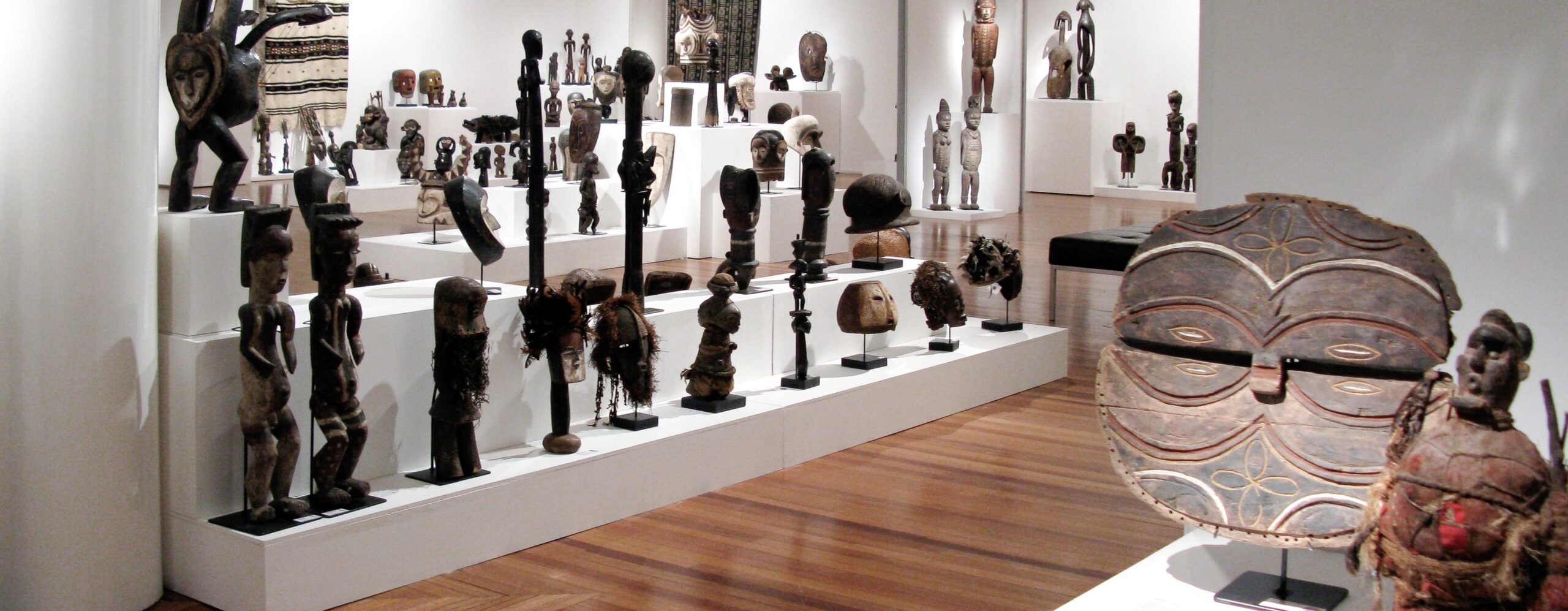
Art That Was Never “Just Art”
When European explorers, missionaries, and colonial administrators first encountered African sculpture, masks, and ceremonial objects in significant numbers during the eighteenth and nineteenth centuries, many struggled to categorize what they were seeing. Lacking a framework that recognized these objects’ function within complex spiritual, political, and social systems, much of this material was initially dismissed as “primitive craft” or “curiosity,” collected and displayed with little regard for its original meaning, purpose, or the sophisticated intellectual and artistic traditions that produced it. It would take the emergence of early twentieth-century European modernist artists — who found in African sculptural form a radical visual language that would help reshape Western art entirely — before African art began to receive serious aesthetic recognition in Western institutions, even as this recognition often continued to strip these objects of their original context and meaning in favor of purely formal, decontextualized appreciation.
This uncomfortable history matters because it shapes, even today, how African art is frequently discussed, displayed, and understood outside the continent. Yet within the communities that created it, African art was never “just art” in the narrow, decorative sense the term often carries in contemporary Western usage. A carved ancestral figure, a beaded royal crown, a woven ceremonial cloth, or a cast bronze plaque functioned simultaneously as spiritual conduit, historical record, political instrument, and social communication — categories that Western art historical tradition typically treats as separate but which African artistic tradition has long understood as inseparable dimensions of a single, integrated creative act. This opening article of the Art & Crafts series establishes the foundational framework for understanding African art on its own terms: as creativity inseparable from meaning, spirituality, and collective cultural memory.
Art as Integrated Life Practice, Not Separate Category
One of the most significant conceptual shifts required to understand African art authentically involves recognizing that many African languages and cultural systems historically had no direct equivalent to the Western concept of “art” as a distinct category separate from religious practice, craft production, political authority, and daily life. Objects that outside observers categorize as “art” — masks, sculptures, textiles, pottery, metalwork — were typically understood within their originating communities as integral components of broader spiritual, social, and practical systems, valued not primarily for aesthetic contemplation in isolation but for their function within specific ritual, political, or community contexts.
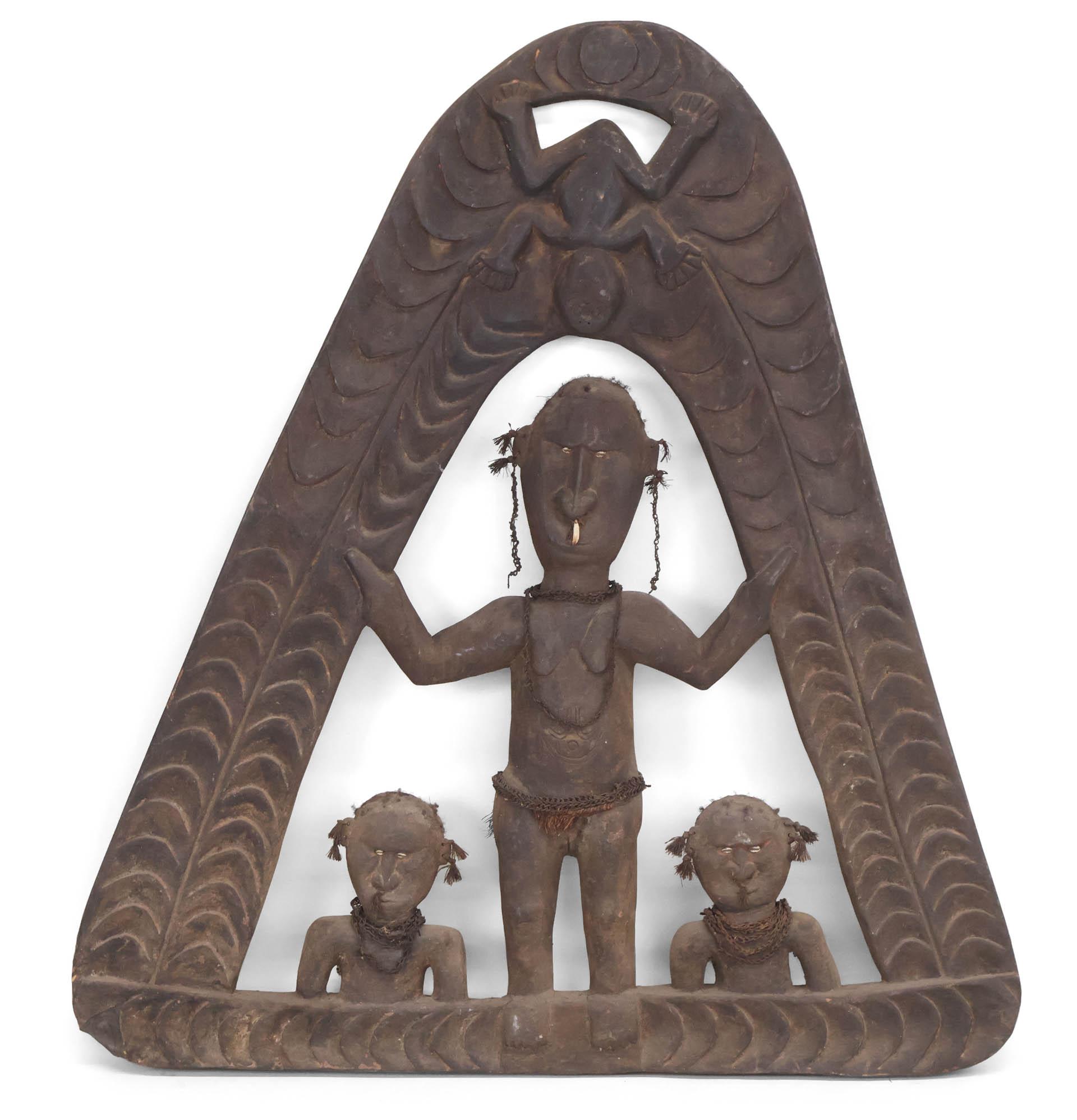 This does not mean aesthetic quality and skilled craftsmanship were unimportant — quite the opposite. Communities across the continent maintained sophisticated standards for evaluating artistic skill, and accomplished carvers, casters, weavers, and other artisans, discussed throughout this series, achieved significant social recognition and status precisely because of their demonstrated mastery. Rather, the point is that aesthetic achievement and functional, spiritual, or social purpose were understood as mutually reinforcing rather than separate concerns: a mask was considered more powerful and effective in its ritual function precisely because it was beautifully and skillfully made, and skilled craftsmanship was valued precisely because it enhanced an object’s capacity to fulfill its spiritual, social, or political purpose effectively.
Art as Vessel for Spiritual Power and Ancestral Connection
Across an enormous diversity of African religious and spiritual traditions, art objects frequently serve as vessels, conduits, or dwelling places for spiritual forces, ancestral presence, or divine power, imbuing these objects with significance extending well beyond their physical material or visual appearance alone. Carved ancestral figures, discussed in greater depth in this series’ examination of wood carving traditions, are frequently understood not merely as representations or memorials of deceased family members but as objects through which ancestral spirits can actively remain present, accessible, and engaged within ongoing family and community life, receiving offerings, prayers, and ritual attention as part of sustained relationship between the living and the ancestral realm.
Masks, explored in depth in the following article of this series, similarly frequently function as more than decorative or theatrical objects, understood within many masquerade traditions as vessels through which specific spiritual entities, ancestral forces, or nature spirits become genuinely present and active during ritual performance, with the masked performer understood, within many traditional spiritual frameworks, to become a vehicle for forces beyond mere human representation or theatrical portrayal during the ritual event itself.
This spiritual dimension profoundly shapes how these objects were and, in many communities, continue to be created, used, and maintained. Specific ritual protocols frequently govern who may create particular sacred objects, what preparations and purifications the artist must undergo before beginning work, what materials may be used and how they must be sourced or treated, and how completed objects must be ritually activated, cared for, and eventually retired or disposed of once their active ritual function concludes — a comprehensive framework treating artistic production as inseparable from spiritual practice rather than as a separate secular craft activity governed purely by aesthetic or commercial considerations.
Art as Historical Record and Cultural Memory
Beyond spiritual function, African art across numerous traditions has served as a crucial mechanism for recording, preserving, and transmitting historical memory, particularly significant within societies that relied primarily on oral rather than written historical transmission for much of their documented history. The bronze plaques and sculptures of the historical Benin Kingdom, explored in detail in this series’ dedicated article on Benin bronze casting, functioned explicitly as historical documentation, recording specific kings’ reigns, significant political and military events, and the kingdom’s evolving relationship with trade partners and neighboring polities in a manner directly analogous to written historical chronicles maintained within literate societies.
Textile traditions, discussed extensively in this series’ companion exploration of Traditional Clothing, similarly encode historical and genealogical information within specific patterns, as seen in Kente’s named designs referencing historical events and figures, or Adire’s motifs commenting on colonial-era social change. Sculptural traditions across numerous cultures similarly incorporate historical and genealogical memory, with specific carved figures, staffs of office, or ceremonial objects representing and preserving lineage histories, significant ancestral figures, or important historical events for communities without primarily written historical record-keeping traditions.
This historical-documentary function means that African art objects frequently carry significant evidentiary and historical value well beyond their aesthetic qualities alone, functioning as primary historical sources that scholars, historians, and community members alike can and do draw upon to reconstruct and understand historical events, political relationships, and social changes that might otherwise remain poorly documented or entirely lost to historical memory, particularly for periods and events predating or occurring outside the scope of written colonial-era historical records, which frequently reflected colonial administrators’ own limited perspectives and priorities rather than comprehensive or accurate historical documentation from affected African communities’ own perspectives.
Art as Political and Social Instrument
Throughout African history, art has consistently served significant political functions, communicating and reinforcing political authority, social hierarchy, and community values through carefully controlled artistic production and display. As discussed regarding royal Kente patterns and coral bead regalia in the Traditional Clothing series, and as will be explored further regarding metalwork and bronze casting later in this series, many African political systems historically maintained close control over specific artistic media, materials, and iconography, reserving the most elaborate and symbolically significant artistic production for royal, chieftaincy, or otherwise politically significant contexts.
This political function operated through several mechanisms: material restriction, where specific valuable materials such as gold, ivory, or particular textiles were reserved for royal or high-status use; iconographic restriction, where specific images, symbols, or design motifs were reserved exclusively for particular political offices or lineages, with unauthorized use constituting a serious social and political transgression; and patronage control, where rulers and chiefs maintained direct control over skilled artisan communities, commissioning work that reinforced their political authority and historical legitimacy while restricting these artisans’ capacity to produce comparable work for political rivals or unauthorized patrons.
Beyond formal political hierarchy, art has also historically served broader social functions within African communities, including marking and reinforcing age-grade and gender-based social organization, as discussed regarding masquerade societies and initiation-related artistic production explored in this series’ masks article, and providing mechanisms for social commentary, critique, and even satire, with certain masquerade and performance traditions specifically providing socially sanctioned space for community members to voice criticism of authority figures, social problems, or community tensions through artistic and performative means that might not be permissible through direct, unmediated speech within otherwise hierarchical social structures.
Materials as Meaning: The Significance of What Art Is Made From
As established throughout the companion Traditional Clothing series regarding textile materials and, in the beads and jewelry article, regarding adornment materials, the specific choice of material in African art carries significant symbolic weight beyond purely practical or aesthetic considerations, a principle extending equally to sculptural, architectural, and other art forms explored throughout this series.
Wood, explored extensively in this series’ dedicated carving article, carries associations with living growth, ancestral connection through specific trees or forest locations considered spiritually significant, and, through the careful selection of specific wood types for specific purposes, deliberate symbolic and functional considerations regarding durability, workability, and spiritual appropriateness for particular ritual or social functions. Bronze and other metals, discussed regarding Benin casting and explored further in this series’ metalwork article, carry associations with permanence, royal authority, and technical sophistication requiring specialized artisan knowledge and, frequently, royal or elite patronage to access necessary materials and specialized production infrastructure.
Clay and ceramic materials, explored in this series’ pottery article, connect symbolically to earth, fertility, and domestic life, while their production techniques and resulting objects frequently carry gendered social significance, with pottery production predominantly associated with women’s craft knowledge and economic activity across numerous African cultural traditions, echoing the gendered craft patterns discussed regarding Adire textile production in the previous series. These material choices, consistent with the broader principle established throughout this exploration of African visual and material culture, are never arbitrary but rather reflect deliberate, culturally specific systems of meaning connecting material properties to spiritual, social, and symbolic significance.
Regional Diversity and the Danger of Generalization
Just as this series’ predecessor exploration of Traditional Clothing repeatedly cautioned against treating “African” symbolism as monolithic, understanding African art requires similar caution regarding the continent’s extraordinary artistic diversity. The specific artistic traditions, techniques, iconographic systems, and spiritual frameworks discussed throughout this series vary enormously across different regions, ethnic groups, and historical periods, reflecting the continent’s vast geographic scale, linguistic diversity (with well over a thousand distinct languages spoken across the continent), and correspondingly vast diversity of distinct cultural and artistic traditions that resist easy generalization or reduction to a single “African art” framework.
West African sculptural and masking traditions, discussed extensively throughout this series, differ significantly in style, technique, and underlying spiritual framework from Central African traditions, which in turn differ substantially from East African, Southern African, and North African artistic traditions, each shaped by distinct historical circumstances, available materials, religious and spiritual frameworks, and social and political structures. Even within specific regions or countries, significant variation exists between neighboring ethnic groups and communities, each maintaining distinct artistic conventions, iconographic systems, and craft techniques, even where broader structural similarities in art’s social and spiritual function, as discussed throughout this article, may be observed across otherwise quite distinct specific traditions.
This diversity represents not a complication to be simplified away but rather a central, defining characteristic of African artistic tradition worthy of genuine appreciation and careful, specific study — a principle this series attempts to honor by examining specific artistic media and traditions in dedicated articles rather than attempting a single, necessarily reductive overview treating “African art” as a monolithic category.
 Colonial Disruption and the Long Struggle for Recognition
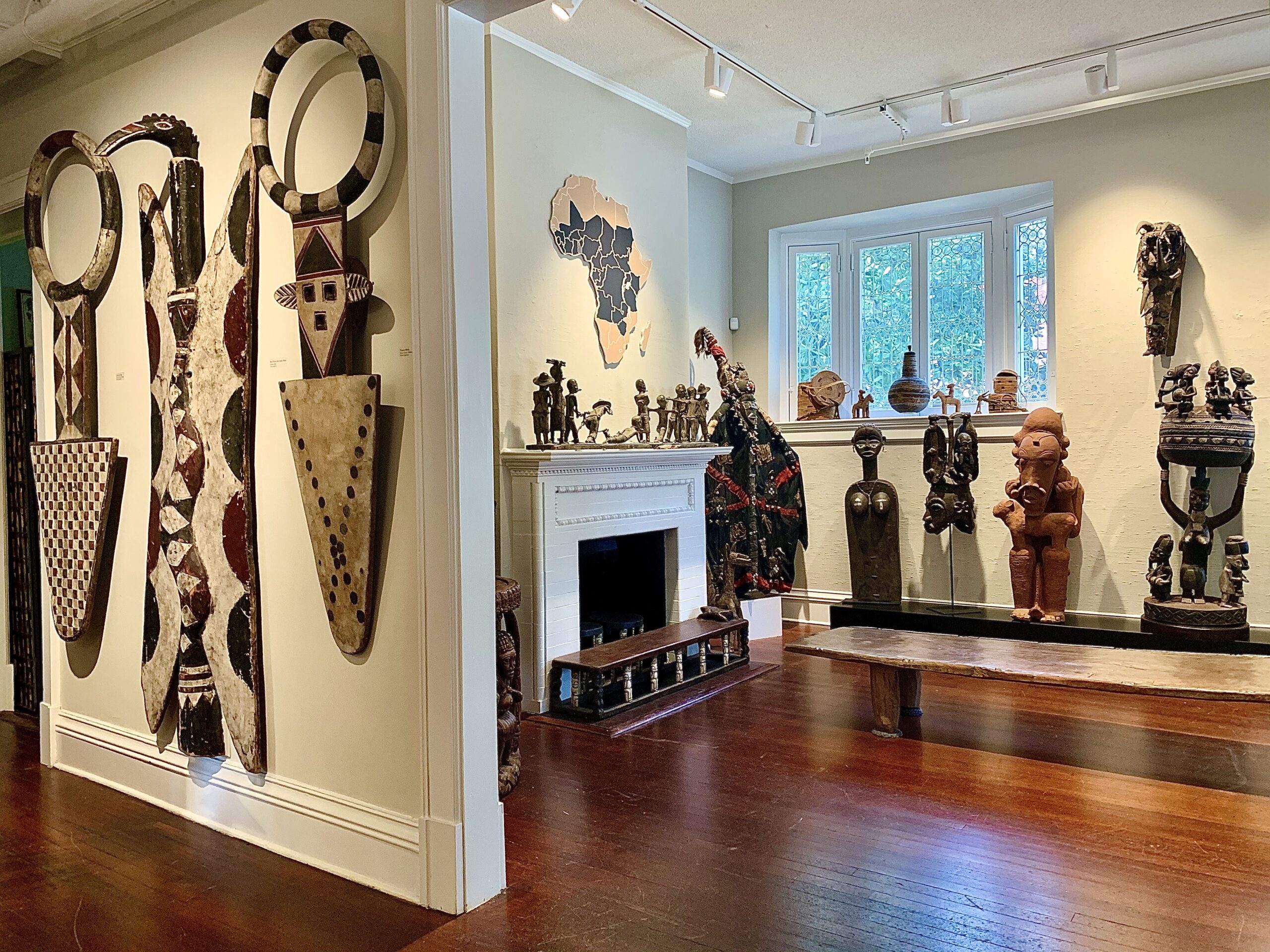
As discussed extensively throughout the Traditional Clothing series regarding textile traditions specifically, African artistic traditions faced significant disruption during the colonial period, including active suppression of traditional religious and spiritual practices closely connected to much artistic production, disruption of traditional patronage systems as colonial administration undermined or eliminated existing political structures that had historically supported skilled artisan communities, and, in numerous well-documented and still actively contested cases, the outright looting and removal of significant art objects from African communities to European museums and private collections, frequently through military conquest, coercive purchase, or outright theft that continues to generate significant ongoing restitution and repatriation debate and advocacy today, a topic this series addresses directly in its concluding article on preserving Africa’s artistic heritage.
Despite this significant disruption, African artistic traditions demonstrated remarkable resilience, with many traditions persisting through the colonial period, adapting to changed political and economic circumstances, and experiencing significant post-independence revival and renewed cultural pride and investment, paralleling the broader cultural resurgence patterns discussed throughout the Traditional Clothing series regarding dress traditions specifically.
Conclusion: An Introduction to a Living Tradition
This opening article has established the foundational framework guiding this series’ exploration of African art and craft traditions: art understood not as a separate decorative category but as integrated spiritual practice, historical documentation, political instrument, and social communication, expressed through carefully chosen materials and maintained through sophisticated systems of artisan training, patronage, and cultural transmission, all while demonstrating extraordinary regional and cultural diversity resistant to easy generalization.
The articles that follow will explore this framework’s specific expression across masks and masquerade traditions, the remarkable bronze casting legacy of historical Benin, the living tradition of wood carving, pottery and ceramic craft, weaving and textile arts, beadwork, and metalwork, before concluding with an examination of African art’s engagement with modernity and the ongoing, urgent work of preserving this extraordinary artistic heritage for future generations. Throughout, the central theme established here will recur consistently: African art has never been merely decorative, but has always functioned as a vital, meaning-dense language through which communities across the continent have expressed spiritual conviction, preserved historical memory, negotiated political authority, and articulated collective cultural identity across many centuries of remarkable, continuously evolving creative achievement.
