

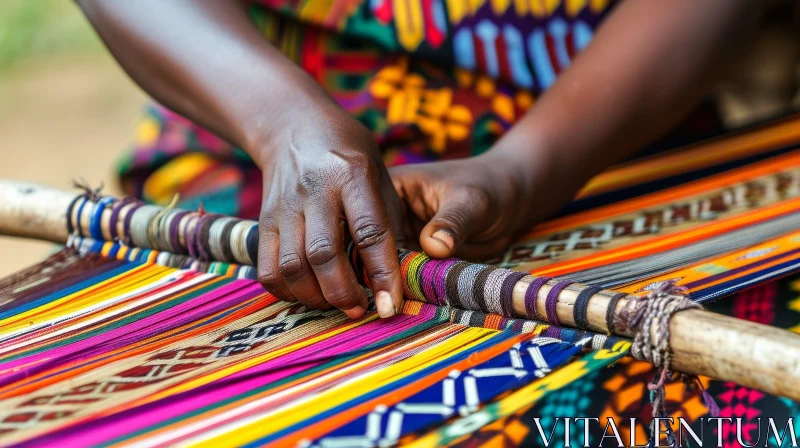
Threads That Connect Craft and Cosmos
Textile arts occupy a unique position within this series’ broader exploration of African art and craft, sitting at the intersection of two extensive bodies of cultural knowledge: the specific dress traditions examined in depth throughout this platform’s companion Traditional Clothing series, and the broader artistic and spiritual frameworks established across this Art & Crafts series’ preceding articles on masks, bronze casting, wood carving, and pottery. Rather than duplicating the detailed ethnic-specific examinations of Kente, Adire, and Ankara already undertaken in that companion series, this article steps back to examine weaving and textile arts as a continent-wide artistic category in their own right — focusing particularly on the technical diversity of African loom traditions, the lesser-explored textile traditions of Central and Southern Africa, and the broader principles connecting textile art to the spiritual, social, and economic frameworks established throughout this series.
Textile production ranks among humanity’s most technically demanding and materially significant craft traditions, requiring sophisticated understanding of fiber preparation, dyeing chemistry, loom mechanics, and pattern design, sustained across the many hours of patient, skilled labor required to transform raw fiber into finished cloth. Across Africa, this technical demand has produced textile traditions of extraordinary sophistication and diversity, reflecting the continent’s equally extraordinary diversity of available fiber materials, environmental conditions, and cultural and spiritual frameworks shaping how textile art has developed within different regional contexts.
Fiber Sources: The Raw Materials of African Textile Art
African textile traditions draw upon a remarkably diverse range of fiber sources, reflecting the continent’s significant ecological diversity and the resourceful adaptation different communities have developed in response to locally available materials. Cotton, central to the strip-weaving traditions discussed extensively regarding Kente in the Traditional Clothing series and widely cultivated across numerous African regions with suitable growing conditions, represents perhaps the most widely recognized African textile fiber, supporting extensive weaving and dyeing traditions including the Adire indigo-dyeing tradition discussed in that companion series.
 Raffia palm fiber, harvested from raffia palm trees native to significant portions of Central and West Africa, represents another historically and artistically significant textile fiber, particularly central to Central African weaving traditions discussed in detail below, requiring specialized processing techniques to transform raw palm fiber into workable weaving material through careful stripping, drying, and preparation processes developed and refined across many generations of accumulated craft knowledge. Wool, particularly significant within Southern African textile traditions given the region’s suitability for sheep herding introduced through historical trade and settlement patterns, supports distinctive weaving and, notably, blanket-making traditions discussed further below regarding Basotho textile art. Additional fiber sources including bark cloth, produced through specialized techniques transforming tree bark into workable textile material without conventional spinning or weaving, and various other regionally specific plant and, in some traditions, animal-derived fibers, further extend this remarkable material diversity across the continent’s textile art traditions.
Loom Technology and Weaving Techniques
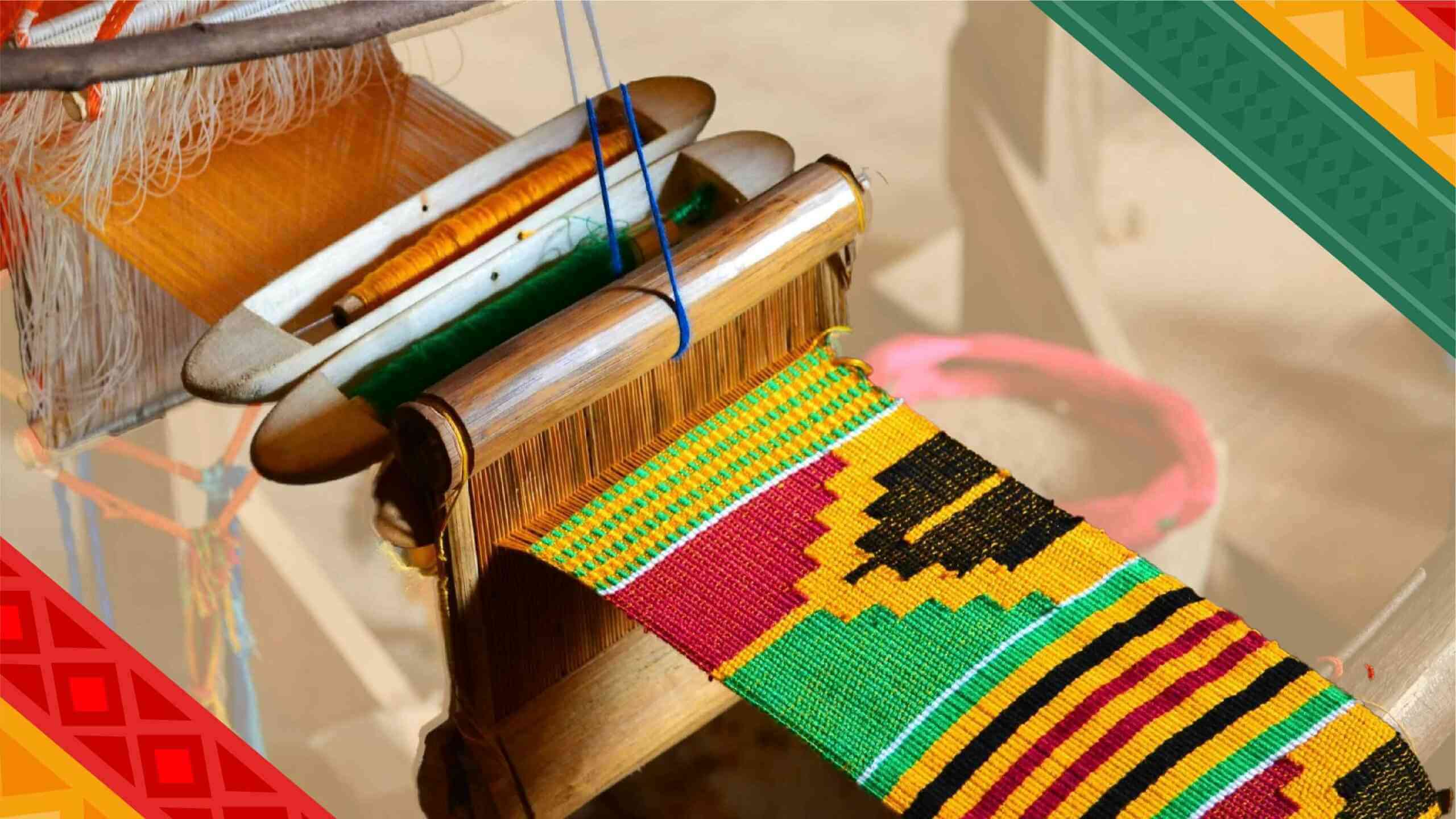
African weaving traditions employ a diverse range of loom technologies and construction techniques, each reflecting specific regional traditions, available materials, and the particular textile forms and patterns different communities have historically developed and valued. The horizontal treadle loom central to Akan Kente production, discussed in detail regarding the specific mechanics of strip-cloth weaving in the Traditional Clothing series, represents one significant West African loom tradition, historically operated predominantly by men and producing the narrow woven strips subsequently sewn together into larger finished cloths characteristic of Kente and related regional textile traditions.
Vertical and ground looms, historically documented across various other African regions and cultural traditions, employ different mechanical principles and typically different gendered labor patterns than the horizontal treadle loom tradition, with vertical loom weaving in various documented traditions associated predominantly with women’s craft labor, illustrating that gendered patterns in textile production, much like the gendered patterns discussed regarding Adire dyeing and pottery production in preceding articles, vary considerably across different specific regional and cultural contexts rather than following a single, universal pattern across the entire continent.
Beyond loom-based weaving, African textile art encompasses significant non-loom textile production techniques, including the resist-dyeing traditions discussed extensively regarding Adire in the companion Traditional Clothing series, embroidery traditions adding surface decoration and pattern to woven base cloth, and, as discussed below, specialized techniques including raffia pile-weaving and embroidery central to Kuba textile art, demonstrating the remarkable technical diversity encompassed within the broader category of African textile arts extending well beyond simple loom-woven cloth alone.
Kuba Textile Art: Geometric Sophistication in Raffia
Among the most artistically celebrated and technically sophisticated African textile traditions not previously explored in this platform’s companion Traditional Clothing series is the raffia cloth and embroidery tradition of the Kuba Kingdom, historically centered in the Congo Basin region of present-day Democratic Republic of Congo. Kuba textile artists, working predominantly with locally harvested and processed raffia palm fiber, developed an extraordinarily sophisticated geometric design vocabulary, producing cloth featuring dense, intricate, non-repeating geometric patterns achieved through a combination of base-cloth weaving, cut-pile embroidery techniques (creating a raised, velvet-like textural surface through carefully cut and secured raffia fiber loops), and appliqué techniques layering additional decorative elements onto the base woven cloth.
Kuba textile production, similar to the guild-based and gendered specialization patterns discussed regarding various other craft traditions throughout this series, historically involved distinct gendered labor division, with men typically responsible for the initial raffia weaving producing base cloth, while women frequently undertook the elaborate embroidery, appliqué, and surface decoration work that produces Kuba cloth’s celebrated intricate geometric patterning — a collaborative, gender-divided production process paralleling, in its collaborative structure though not its specific gender assignment, various other textile production patterns discussed throughout this broader body of work.
Kuba cloth historically served significant ceremonial and status functions within Kuba political and social structure, with specific cloth types, patterns, and quality levels associated with particular ranks and occasions within Kuba’s historically sophisticated political hierarchy, echoing the royal and status-restricted textile patterns discussed regarding Kente in the companion series. Kuba textile art achieved particular international recognition and influence during the early twentieth century, with European modernist artists, discussed in this series’ opening article regarding African art’s broader influence on Western modernism, finding in Kuba cloth’s sophisticated abstract geometric patterning a significant source of aesthetic inspiration paralleling the influence African sculpture exerted on modernist visual art more broadly.
Basotho Blankets: A Textile Tradition Born of Cultural Exchange
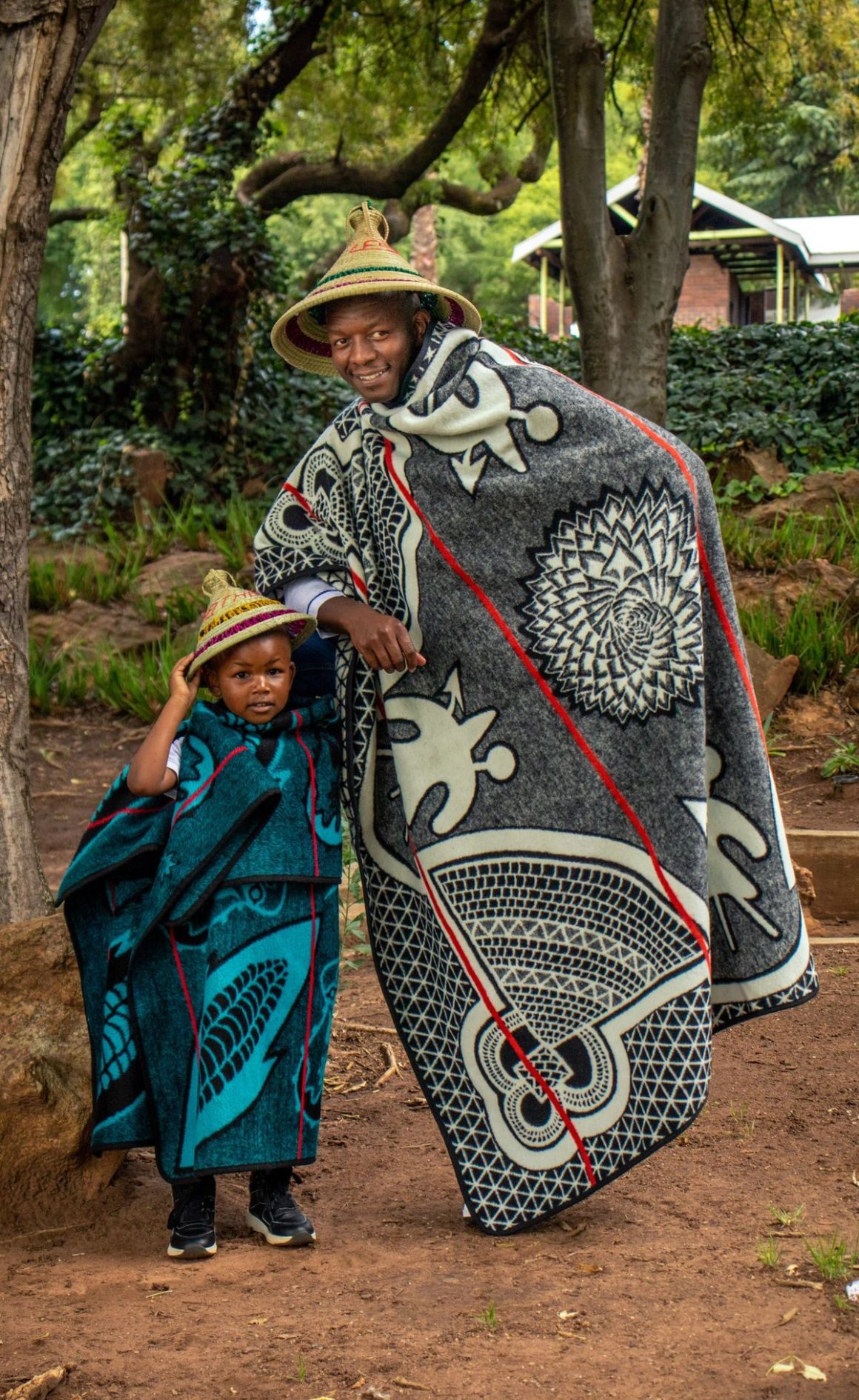
The distinctive woven wool blanket tradition associated with the Basotho people of Lesotho and surrounding Southern African regions offers a particularly instructive case study illustrating this series’ recurring theme, established most extensively regarding Ankara in the Traditional Clothing series, of imported materials and techniques becoming thoroughly indigenized and culturally significant through sustained community adoption and reinterpretation. Basotho blankets, woven predominantly using wool rather than the cotton or raffia fiber traditions discussed above, developed through historical trade contact and cultural exchange beginning significantly in the nineteenth century, with woven wool blankets gradually displacing earlier animal-skin dress traditions while becoming, over subsequent generations, a thoroughly indigenized and deeply significant marker of Basotho cultural identity, ceremonial practice, and social status.
Specific Basotho blanket patterns and designs carry recognized cultural and, in various documented cases, specific ceremonial significance, with particular patterns associated with specific life stages, social occasions, or status markers within Basotho cultural understanding, echoing the pattern-based symbolic communication systems discussed extensively throughout both this series and its Traditional Clothing companion regarding Kente, Adire, and Ankara specifically. Basotho blankets remain actively worn and culturally significant within contemporary Basotho community life, while also, in recent years, achieving significant recognition within international fashion and design contexts, with contemporary designers, including notable Lesotho-connected fashion designers, working to bring Basotho blanket textile traditions into broader international fashion visibility while maintaining meaningful connection to and collaboration with traditional weaving and design knowledge.
 Textile Dyeing: Color as Technical and Symbolic Achievement
As established extensively regarding Adire’s indigo dyeing tradition in the Traditional Clothing series, textile dyeing across African traditions represents a sophisticated technical achievement in its own right, requiring detailed practical chemistry knowledge regarding dye preparation, mordant use (substances used to help dye bond effectively and permanently with fiber), and careful management of dyeing conditions to achieve desired color results reliably and consistently. Beyond indigo, African textile traditions employ numerous other natural dye sources, including various plant-derived dyes producing red, yellow, brown, and other color ranges, mineral-based pigments, and, in various traditions, specific processing techniques developed to achieve particular desired color effects and colorfastness properties appropriate to specific textile traditions’ aesthetic and practical requirements.
This dyeing expertise, much like the weaving and embroidery technical skill discussed throughout this article, represents specialized knowledge frequently transmitted through structured apprenticeship and family-based knowledge transmission systems, with accomplished dyers, as discussed regarding Adire specifically, frequently achieving significant social recognition and, in various documented traditions, meaningful economic opportunity and relative independence through their specialized technical knowledge and skill.
Textiles as Currency, Wealth, and Diplomatic Gift
Beyond their decorative and status-marking functions discussed extensively throughout both this series and its Traditional Clothing companion, textiles across numerous African traditions historically functioned as significant stores of wealth and, in various documented historical contexts, as a recognized form of currency or standardized value unit used in trade and formal exchange contexts, echoing the currency function discussed regarding cowrie shells in this series’ beadwork-focused examination. Kuba raffia cloth, for instance, historically functioned in various documented contexts as a recognized currency and store of value within Kuba economic and political systems, while elaborately woven and dyed cloth across numerous other African traditions frequently served as significant components of bride price negotiations, diplomatic gift exchange between political entities, and formal tribute or taxation systems within various historical African political structures, demonstrating textile art’s significant economic and political function extending well beyond its aesthetic and decorative achievement alone.
Contemporary Textile Arts: Innovation and Continued Relevance
Contemporary African weaving and textile traditions demonstrate significant ongoing vitality across the diverse specific traditions discussed throughout both this article and its companion Traditional Clothing series, with traditional techniques continuing active practice within originating communities alongside significant contemporary innovation, international market expansion, and, as discussed throughout this broader body of work, ongoing important conversations regarding fair compensation, authenticity, and appropriate cultural recognition amid growing international commercial and fashion industry interest in African textile traditions.
Contemporary African and diaspora textile artists and designers increasingly draw upon the technical traditions and symbolic vocabularies discussed throughout this article — Kuba geometric patterning, Basotho blanket design, and numerous other traditions beyond the specific examples highlighted here — developing new textile art and fashion expressions that maintain meaningful connection to traditional technique and symbolic meaning while speaking to contemporary aesthetic sensibilities and international market contexts, continuing this series’ broader theme regarding African art’s genuine, actively evolving living tradition rather than a fixed historical legacy.
Conclusion: Cloth as Continent-Spanning Language
Weaving and textile arts, examined here as a continent-wide category extending significantly beyond the specific Kente, Adire, and Ankara traditions explored in depth within this platform’s companion Traditional Clothing series, demonstrate the same remarkable technical sophistication, regional diversity, and integrated spiritual, social, and economic significance established as this series’ recurring theme across masks, bronze casting, wood carving, and pottery. From Kuba raffia cloth’s extraordinary geometric sophistication to Basotho wool blankets’ successful indigenization of an introduced material and technique, African textile arts confirm this series’ central argument: that artistic achievement across the continent has consistently emerged not from isolated aesthetic contemplation but from deeply integrated craft traditions serving simultaneous spiritual, social, economic, and communicative functions within the specific communities that developed and continue to sustain them.
As this series turns next to beadwork’s specific artistic and symbolic significance — building on threads already introduced regarding cowrie shells and trade bead materials — the textile traditions examined here, alongside their detailed companion exploration in the Traditional Clothing series, provide essential context for understanding cloth’s position as perhaps the most materially and technically diverse artistic medium explored across this entire body of work, woven, dyed, and embroidered into forms as varied as the many distinct communities and cultural traditions that continue to produce it today.
