

Across the African continent, some of the most culturally significant and deeply cherished culinary preparations are also among the most structurally simple. A bowl of coarsely ground maize meal cooked to a dense firmness, a smooth mound of fermented cassava dough, or a steaming portion of elastic pounded yam may seem uncomplicated at first glance. Yet, these foundational dishes represent centuries of agricultural adaptation, scientific processing ingenuity, and rich communal tradition. Staple grains and root crops form the absolute bedrock of daily African dining, providing essential caloric energy while serving as the primary vehicle for enjoying vibrant soups, stews, braised greens, and grilled meats. These foods are much more than simple sources of carbohydrates; they reflect the precise ecological microclimates in which communities live, the historical trade routes that crossed the continent, and the enduring values of family life and hospitality.
The Heritage of African Grains and Tubers
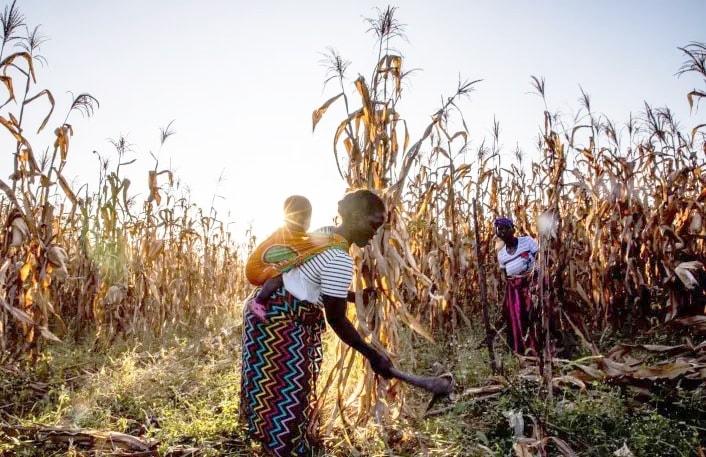
Long before modern industrial agriculture, native African grains supported sprawling empires, agricultural communities, and nomadic pastoralists alike. Millet and sorghum possess remarkably deep histories across sub-Saharan Africa due to their natural resilience against extreme heat and unpredictable rainfall patterns. These ancient grains can be ground into fine flour to prepare stiff, swallowable doughs, boiled into nourishing porridges, or malted and fermented into traditional, probiotic-rich beverages. Over time, other grains were integrated into regional foodways. Rice became deeply entrenched in West African coastal ecology, while wheat became central to North African breadmaking and couscous traditions. Later, the arrival of maize through global trade networks transformed agricultural output, becoming a primary staple across East, Southern, and Central Africa.
Simultaneously, root crops and tubers provided an equally indispensable foundation for tropical food systems. Yams hold an unmatched position of cultural prestige in West Africa, deeply intertwined with social hierarchy, spiritual life, and agricultural celebrations. Cassava, introduced from South America centuries ago, spread rapidly across tropical Africa because of its ability to produce reliable yields in nutrient-poor soils during severe dry spells. Sweet potatoes and cocoyams similarly offer essential carbohydrates and exceptional culinary versatility. These roots can be boiled, fried, roasted, dried, grated, pounded, or ground into shelf-stable flours. The sheer adaptability of root crops enabled African communities to develop sophisticated food security systems that safeguarded populations against seasonal crop failures and changing environmental conditions.
Cassava Transformation: From Raw Root to Fufu and Eba

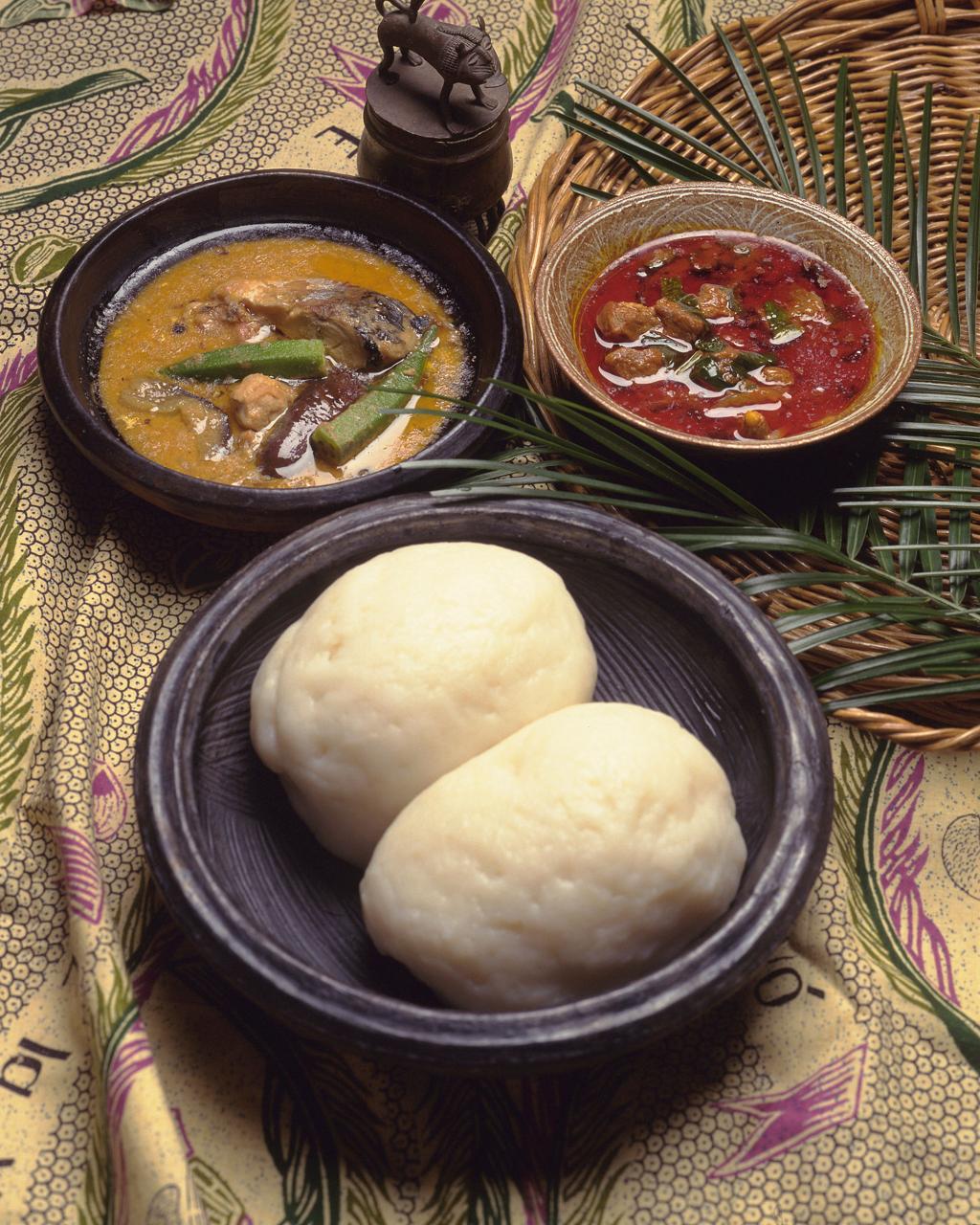
Eba is particularly celebrated across Nigeria and neighboring West African nations for its practicality and satisfying texture. Depending on the processing method and the addition of red palm oil, garri can yield either white or yellow eba. It serves as the ultimate daily accompaniment to nutrient-dense soups like egusi (ground melon seed), okra, ogbono, and various leaf-based stews.
In contrast, the term fufu refers to a much broader culinary family rather than a single standardized recipe. Across West and Central Africa, fufu can be made from boiled cassava, green plantains, yams, cocoyams, or a combination of these roots. In traditional preparation, the boiled roots are placed into a heavy wooden mortar and vigorously worked with a long wooden pestle. The art of traditional fufu pounding requires immense physical strength, rhythm, and precision, as the cook continuously turns the steaming mass by hand between heavy pestle strikes until the starches rupture, creating a perfectly smooth, elastic, and glossy dough. Today, while pounded versions remain the gold standard, commercial fufu flours also allow rapid home preparation.
Maize Culture and East Africa’s Ugali
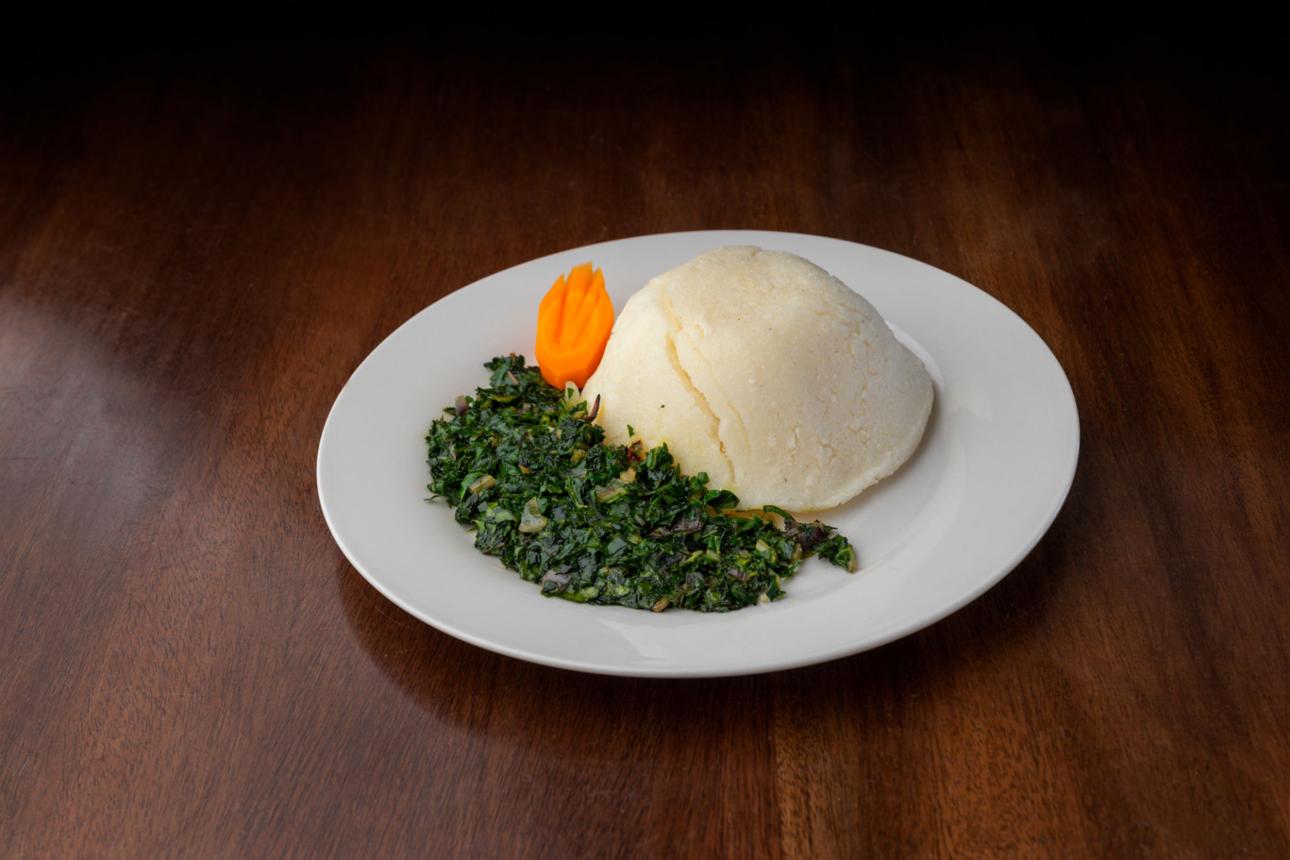
In East Africa, maize serves as the undisputed anchor of daily nutrition, with ugali standing as the region’s defining staple. Prepared by gradually adding coarsely or finely ground white maize flour to boiling water while continuously stirring and beating the mixture against the sides of a cooking pot, ugali hardens into a dense, structural mound. The preparation appears minimal, yet achieving the exact preferred consistency—firm enough to hold its shape when molded by hand, yet soft and smooth on the palate—demands practice and active heat management.
Ugali is widely consumed across Kenya, Tanzania, Uganda, and neighboring territories, where it is known by various regional names such as nsima, sadza, or posho. Its strength lies in its neutral, clean flavor profile, which acts as a culinary canvas for bold, savory accompaniments like sukuma wiki (braised collard greens with onions and spices), grilled meats (nyama choma), freshwater fish, or slow-cooked bean stews. In regions where maize yields are lower, ugali is crafted using millet, sorghum, or cassava flours, highlighting the remarkable adaptability of African grain traditions.
Dining Rituals, Community, and Modern Resilience
The act of eating traditional staples like fufu, eba, and ugali is deeply sensory and communal. These foods are traditionally eaten using the right hand. A small portion of dough is pinched off, rolled into a smooth ball within the palm, pressed gently with the thumb to form a small indentation, and used to scoop up accompanying soups, meat, or vegetables. Handwashing before and after the meal is a strict, universally practiced ritual of hygiene and respect. Eating with the hands connects the diner directly to the warmth, texture, and physical presence of the food, turning every meal into an active, tactile experience rather than a passive task.
Staples also anchor local economies and social life. The cultivation, processing, transport, and sale of crops like cassava and maize support millions of smallholder farmers, market traders, and local processors. During agricultural milestones—such as the Igbo Iri Ji (New Yam Festival) in southeastern Nigeria—staple crops transcend nutrition to become symbols of prosperity, ancestral blessing, and communal unity.