

Introduction: The Imperative of Cultural Continuity
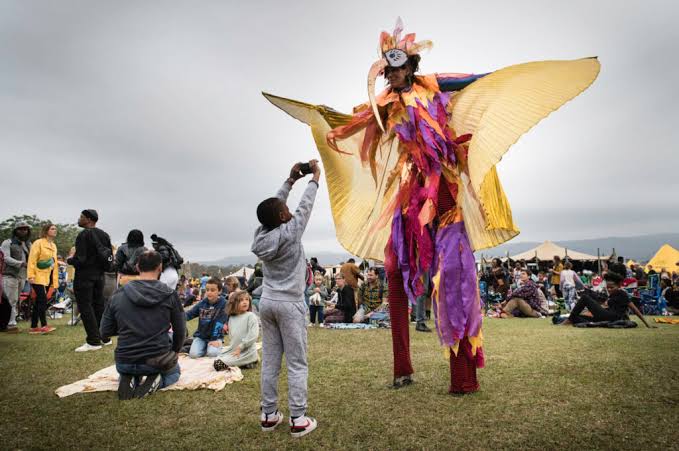
Across the length and breadth of the African continent, traditional festivals serve as living archives of human history, philosophy, spiritual cosmology, and artistic brilliance. Unlike static monuments carved in stone or artifacts enclosed within glass museum showcases, African festivals are dynamic, embodied cultural practices. They express intangible cultural heritage through oral poetry, sacred masquerades, complex drum polyrhythms, ceremonial regalia, and communal rituals that have been refined across centuries.
However, as the continent experiences rapid urbanization, globalization, environmental transformation, and a massive demographic shift toward a youth-majority population, many ancestral festival traditions face systemic threats. The erosion of oral transmission channels, rural-to-urban migration, economic pressures, and commercial distortion risk severing younger generations from their living heritage.
Preserving Africa’s festivals is not about freezing traditions in amber or resisting modern progress. Rather, it is a deliberate, forward-looking strategic movement to safeguard identity, foster intergenerational resilience, and ensure that indigenous knowledge systems continue to inform, inspire, and anchor future generations.
The Anatomy of African Intangible Cultural Heritage
To understand why festivals require targeted preservation strategies, one must first recognize the complex layers of intangible cultural heritage embedded within these events. A single traditional festival rarely centers on a single activity; it operates as an interconnected ecosystem of artistic, social, and spiritual expressions.
Key Structural Components of Festival Heritage
Oral Traditions and Performance Arts: Festivals serve as the primary stage for epic storytelling, praise singing, genealogical recitations, and proverb recitals. The language used in these contexts often preserves archaic dialects, specialized ceremonial vocabularies, and intricate philosophical metaphors that are absent from everyday conversational speech.
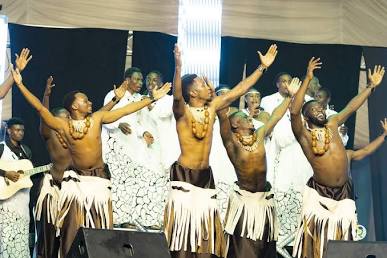
Somatic Knowledge and Musical Systems: The dance choreographies and drum rhythms performed during festivals carry deep somatic knowledge. Specific rhythmic patterns communicate distinct messages, evoke historical events, or signal spiritual transitions. Mastering these polyrhythms requires years of specialized bodily training and listening.
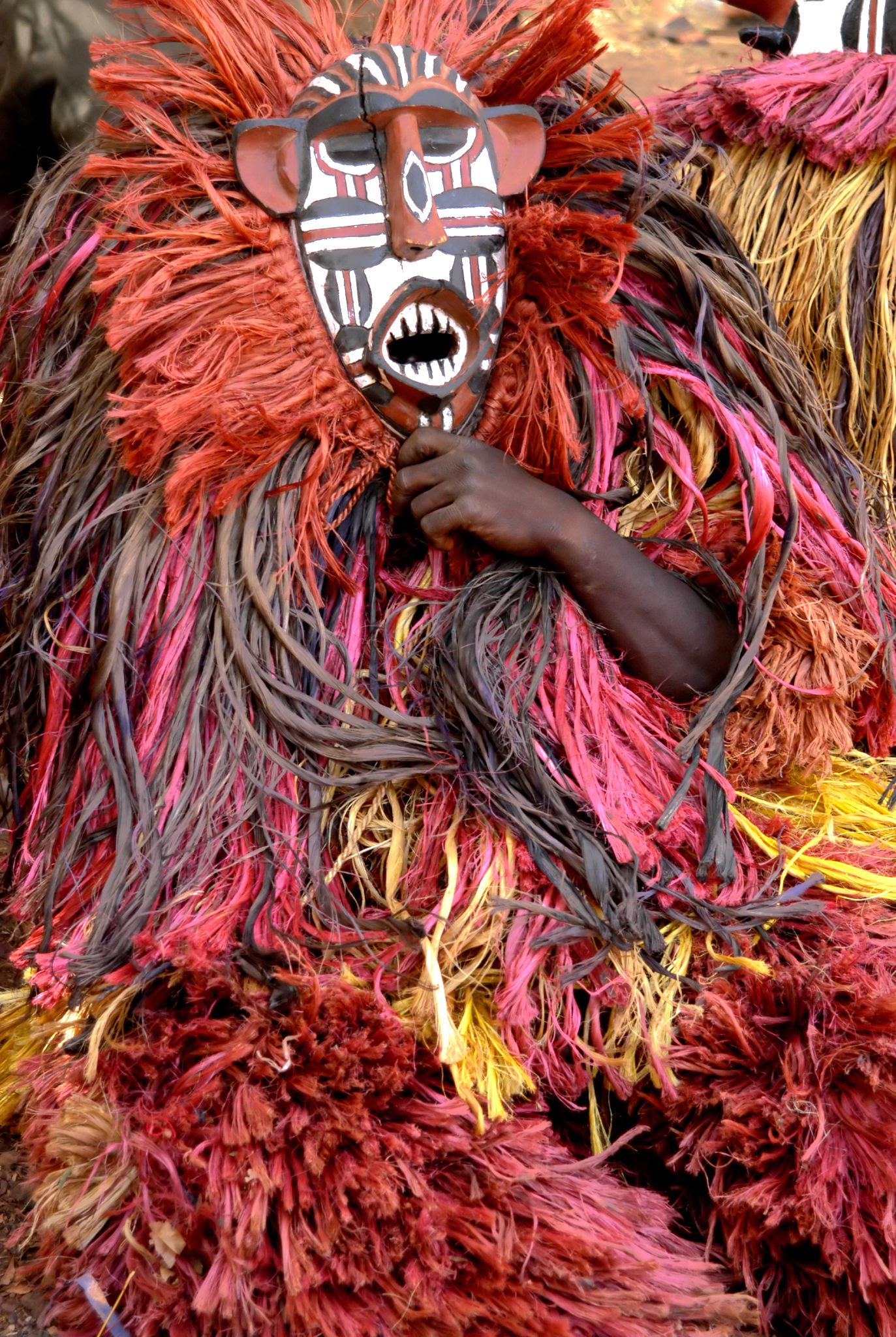
Material Culture and Sacred Craftsmanship: From hand-carved wooden masks and beaded crowns to hand-woven textiles and sacred pottery, the material culture generated for festivals sustains ancient artisanal crafts. The creation of these items involves specialized botanical knowledge, such as harvesting specific woods, natural dyes, and sacred fibers in ecologically sustainable ways.
Ecological and Botanical Wisdom: Many festivals are strictly aligned with agricultural cycles, lunar phases, or seasonal migrations. The preparation of ceremonial feasts and offerings relies on traditional ecological knowledge regarding local flora, fauna, and sustainable resource management.
Modern Pressures Threatening Traditional Festivals
Despite their historical resilience, traditional festivals face unprecedented challenges in the 21st century. Understanding these pressures is essential for designing effective, modern preservation frameworks.
Urbanization and Spatial Displacement
As African cities expand rapidly, historic ceremonial grounds, sacred groves, and traditional gathering spaces are frequently encroached upon by real estate development, industrial infrastructure, and urban sprawl. When a community loses its physical ancestral grounds, the spatial architecture of the festival is disrupted, forcing celebrations into inadequate or artificial environments.
Migration and Intergenerational Disconnect
Rural-to-urban and international migration patterns often separate young people from their ancestral homelands. When youth spend their formative years in urban centers or abroad, they miss the immersive, seasonal festival preparations that historically facilitated organic cultural transmission. Without deliberate intervention, this creates a generational break in cultural literacy.
Environmental Degradation and Climate Change
Festivals tied to agricultural harvests, river cycles, or rainmaking ceremonies are directly impacted by ecological instability. Droughts, deforestation, and unpredictable weather patterns disrupt the seasonal rhythms that dictate festival schedules, while the depletion of local forests threatens the natural materials required to craft traditional regalia and ceremonial instruments.
Commercial Distortion and “Staged Authenticity”
While cultural tourism provides vital economic revenue, unmanaged commercialization can erode the spiritual and social integrity of a festival. When sacred rituals are truncated, sensationalized, or altered purely for external entertainment or photo opportunities, the deep internal meaning for the host community risks being lost.
 Strategic Frameworks for Cultural Safeguarding
Protecting intangible cultural heritage requires structured, multi-layered strategies that combine community leadership, policy protections, and modern technological tools. Effective preservation operates across key operational pillars.
Community-Led Oral Transmission and Apprenticeships
Traditional knowledge cannot survive through textbook documentation alone; it must be lived and practiced. Community-centered apprenticeship initiatives pair youth directly with master drummers, weavers, masquerade carvers, and ritual historians.
Establishing local cultural guilds ensures that the intricate techniques behind ceremonial regalia, sacred songs, and dance choreographies are passed directly from elders to emerging custodians. These programs operate on principles of direct mentorship, where young apprentices learn not only the technical execution of an art form but also its ethical, historical, and spiritual obligations.
Digital Archiving and Technological Documentation
Modern digital technologies offer unprecedented tools for recording and democratizing access to endangered cultural practices.
High-Definition Spatial Audio and Video: Capturing multi-track audio of complex polyrhythmic drumming and choir performances preserves acoustic nuances that traditional single-channel recordings miss.
3D Motion-Capture and Spatial Scanning: Documenting intricate dance choreographies through motion-capture and mapping sacred festival grounds with LiDAR and drone photography creates permanent 3D digital records.
Open-Access Oral Repositories: Building digital archives managed by local communities allows diaspora youth, researchers, and future generations to access oral histories, language recordings, and ceremonial explanations from anywhere in the world.
Policy, Legal Protection, and Intangible Heritage Designations
Institutional backing provides the necessary legal shields against cultural exploitation and environmental displacement. National ministries of culture, working alongside UNESCO’s Convention for the Safeguarding of the Intangible Cultural Heritage, establish legal protections for physical festival sites, secure intellectual property rights for indigenous designs and musical rhythms, and integrate cultural heritage education directly into national school curricula.
Balancing Tradition, Modernity, and Youth Engagement
To remain viable for future generations, traditional festivals must maintain their sacred cultural core while providing meaningful avenues for contemporary youth participation. Preserving a festival does not mean prohibiting organic cultural evolution; culture has always adapted to survive.
Innovative Youth Engagement Strategies
Educational Integration: Developing interactive digital learning modules, virtual reality festival simulations, and school excursion programs that introduce primary and secondary students to local folklore, ceremonial mechanics, and historic significance.
Creative Fusion and Collaboration: Encouraging young contemporary artists, filmmakers, fashion designers, and electronic music producers to collaborate respectfully with traditional custodians. This results in hybrid art forms—such as digital animation based on folklore or contemporary music sampling traditional instruments—that bridge generational tastes.
Economic Livelihoods: Training youth in creative event production, digital storytelling, eco-tourism management, and ethical cultural entrepreneurship transforms cultural preservation from a passive obligation into a viable, dignified profession.
Comparative Safeguarding Approaches
Preserving diverse festival traditions across different regions requires tailored methods suited to specific cultural, geographical, and social contexts.
For performing arts and somatic dance, digital motion-capture and virtual reality tools create interactive digital archives for global research, education, and virtual immersion. For material culture and craftsmanship, living heritage guilds facilitate direct intergenerational skill transfer, ensuring sustainable livelihoods for local artisans.
When addressing spatial and environmental infrastructure, legal site protection shields ancestral ceremonial grounds from real estate encroachment and industrialization. On a community level, micro-museums serve as decentralized, community-owned educational centers housing ceremonial regalia, ancestral instruments, and audio logs for local youth and visitors. Finally, embedding language preservation, folklore, and regional history into formal education systems fosters cultural pride and literacy directly within primary and secondary schools.
Case Studies: Successful Heritage Safeguarding Initiatives
Examining real-world examples highlights how community action, institutional support, and creative technology combine to protect living heritage across the continent.
The Osun-Osogbo Sacred Grove (Nigeria)
The annual Osun-Osogbo festival, celebrated in southwestern Nigeria, honors the river goddess Osun. The survival and global recognition of this festival relied on a multi-pronged protection strategy:
Spatial Inscription: The sacred grove was designated a UNESCO World Heritage Site, providing legal protection against urban development.
Artistic Restoration: Local artists and custodians formed the New Sacred Art movement, maintaining and restoring the monumental sculptures and shrines within the grove using traditional and sustainable materials.
Community-Led Tourism: The local royal council and festival committees strictly regulate visitor access to sensitive ritual spaces, ensuring commercial activities do not disrupt sacred rites.
The Ouidah Voodoo Festival (Benin)
Held annually in Ouidah, Benin, this national festival celebrates traditional religion, ancestral philosophy, and history. Key preservation efforts include:
State Recognition: Institutionalizing the event as an official national holiday elevated the status of indigenous spiritual traditions and fostered national pride.
Diaspora Integration: The festival serves as an intentional bridge for African diaspora communities from the Caribbean, South America, and North America, fostering cross-cultural documentation and international support.
Documentary Archives: Audio-visual archives record the diverse masquerades and musical performances, providing permanent educational resources for local schools.
Policy Recommendations for Sustainable Preservation
To ensure that cultural preservation strategies are effective and equitable, governments, non-governmental organizations, and local authorities must adopt clear policy frameworks:
Grant Autonomous Leadership to Local Custodians: External organizations and government bodies must respect the authority of traditional elders, royal houses, and ritual leaders, ensuring that preservation initiatives are community-led rather than top-down mandates.
Establish Dedicated Cultural Preservation Funds: Allocate a percentage of national tourism revenues directly into community-managed funds designed to support local artisans, youth apprenticeship guilds, and site maintenance.
Enforce Ethical Intellectual Property Laws: Enact strict legal protections against the unauthorized commercialization, patenting, or mass-production of indigenous ceremonial designs, sacred music, and traditional motifs by external corporations.
Promote Eco-Friendly Festival Management: Require event organizers to implement waste management programs, environmental restoration plans, and sustainable material sourcing to protect the local ecosystems surrounding festival grounds.
Conclusion: Securing the Heritage Horizon
Preserving Africa’s festivals is far more than an exercise in historical nostalgia; it is a vital investment in the continent’s social cohesion, creative economy, and global identity. Festivals embody centuries of philosophy, ecological wisdom, artistic mastery, and human connection—offering timeless answers to modern challenges of isolation and cultural erosion.
By uniting the wisdom of elders with the energy of youth, combining ancestral rituals with modern digital archiving tools, and reinforcing local leadership with strong legal protections, Africa can ensure its vibrant ceremonial heritage continues to thrive. These living traditions will remain anchor points of identity, resilience, and inspiration for generations to come.
