

Modern African Festivals and Cultural Tourism
Introduction and Cultural Paradigm Shift
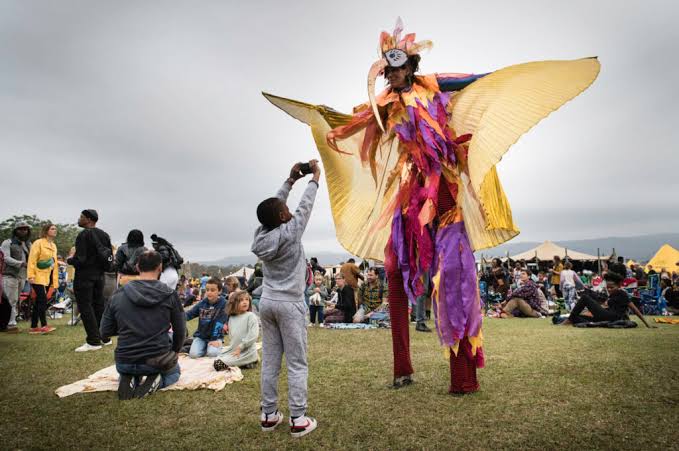
Across the African continent, a profound cultural renaissance is redefining how global audiences engage with African heritage, art, and contemporary creative industries. Historically, international perspectives on African culture were framed primarily through colonial ethnography, static museum exhibits, or conservation-focused safari tourism. Today, a dynamic wave of modern African festivals is shifting this narrative. These contemporary gatherings seamlessly blend deep-rooted indigenous traditions, electronic music genres, high fashion, visual arts, and digital innovation to position Africa as a global engine of cultural production and destination tourism.
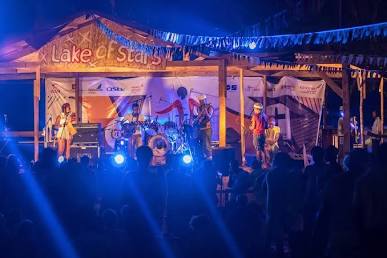
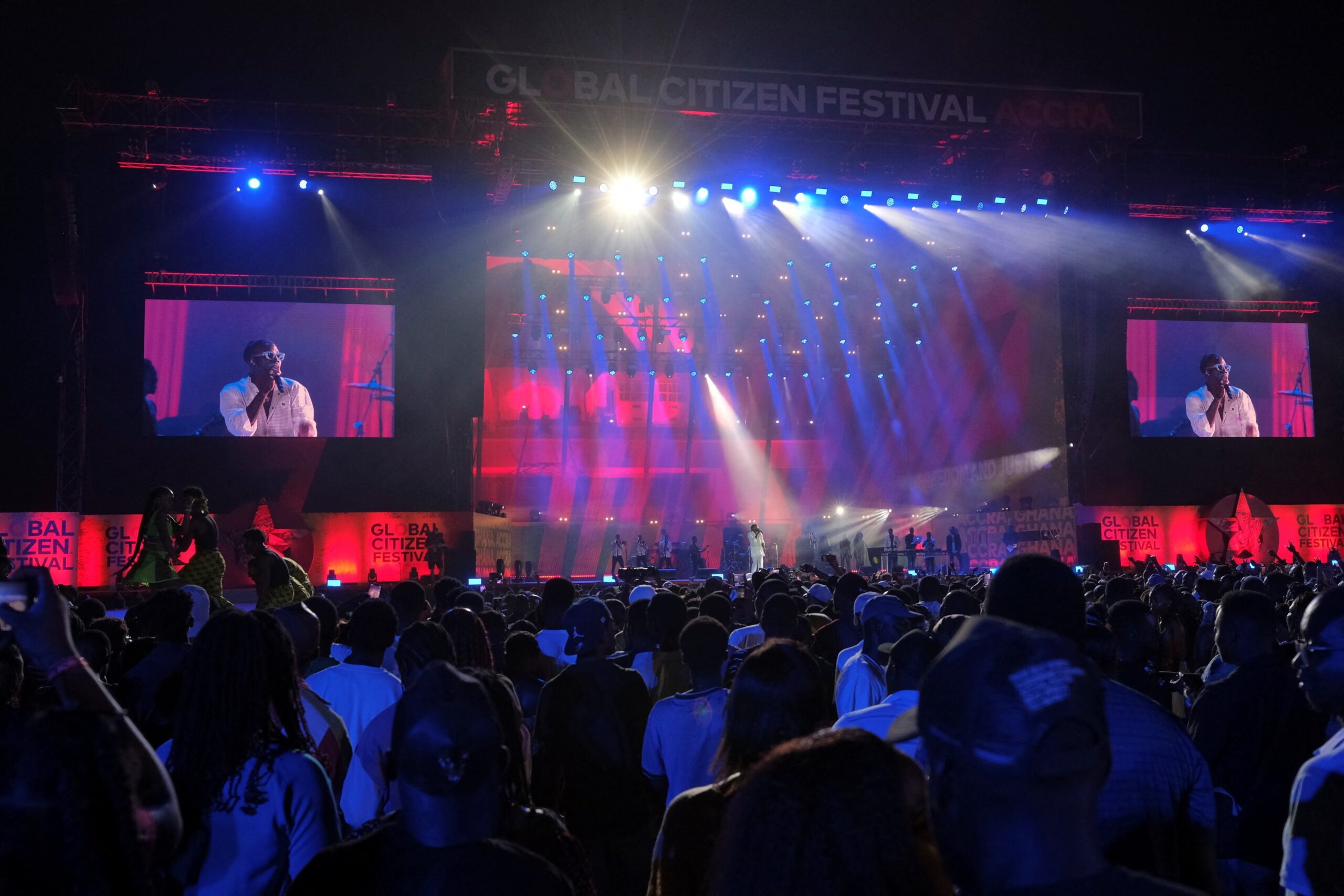
From the vibrant coastal energy of AfroFuture (formerly Afrochella) in Accra to the multi-stage artistic expressions of the MTN Bushfire festival in Eswatini and the intimate beachside soundscapes of Lake of Stars in Malawi, modern African festivals serve as vital spaces for self-representation. They are not merely commercial entertainment events; they are sophisticated platforms where the African diaspora reconverges, local creative economies flourish, and sustainable economic growth takes root.
As cultural tourism becomes one of the fastest-growing sectors in the global travel market, understanding the mechanics, economic impact, and socio-cultural significance of modern African festivals is essential. These events demonstrate how creative expression can simultaneously preserve intangible cultural heritage and drive modern infrastructure, cross-border trade, and socio-economic empowerment.
The Economics of Festival Tourism and Creative Capital
Modern festivals operate as powerful engines for economic development across urban and rural African landscapes. By drawing tens of thousands of domestic, regional, and international visitors, these multi-day gatherings generate significant immediate and long-term financial injections across multiple sectors of the host economy.
The economic impact of contemporary cultural festivals can be categorized into four primary streams:
Hospitality and Infrastructure Utilization: Direct surges in hotel occupancy rates, short-term rental bookings, local transport services, and restaurant revenue during festival periods.
Artisanal and Vendor Entrepreneurship: Pop-up marketplaces providing local craftspeople, fashion designers, food vendors, and visual artists direct access to high-spending international buyers.
Direct and Indirect Employment Generation: Seasonal and full-time job creation spanning event logistics, sound engineering, stage construction, security, hospitality management, and tour operations.
Destination Brand Equity: Sustained international media exposure that elevates host cities and countries into year-round tourist destinations.
| Festival Name | Primary Location | Core Focus | Estimated Annual Economic / Attendance Impact |
| MTN Bushfire | Malkerns Valley, Eswatini | Music, Arts, Social Responsibility | ~20,000 visitors; major boost to Eswatini tourism and local artisan funding. |
| Lake of Stars | Lake Malawi, Malawi | Afropop, Electronic, Arts | Multi-million MWK local economy injection; supports eco-tourism along Lake Malawi. |
| AfroFuture | Accra, Ghana | Afrobeats, Fashion, Diaspora Culture | Key anchor of Ghana’s “Year of Return” momentum, generating millions in holiday travel revenue. |
| Festival sur le Niger | Ségou, Mali | Traditional & Modern Sahelian Arts | Vital cultural anchor driving local craftsmanship, hospitality, and riverine tourism. |
| Cape Town International Jazz Festival | Cape Town, South Africa | Global & African Jazz | Over 30,000 attendees annually; millions in regional economic output for the Western Cape. |
Diaspora Reconvergence and the “Year of Return” Effect
One of the most significant phenomena defining modern African cultural tourism is the intentional reconnection between the global African diaspora and the continent. Initiatives like Ghana’s historic “Year of Return” and subsequent “Beyond the Return” campaigns demonstrated the massive economic and emotional power of leveraging cultural heritage for tourism.
Festivals scheduled around major holiday seasons act as physical anchor points for diaspora homecoming journeys. Attendees do not merely consume performances; they engage in deep cultural immersion, ancestral discovery, and investment exploration.
This reconvergence has transformed festival grounds into hubs for global networking, creative collaboration, and cross-border commerce:
Cultural Exchange: Diaspora artists and continental musicians co-create new musical genres (such as the global fusion of Afrobeats, Amapiano, and hip-hop).
Creative Investment: International visitors establish partnerships with local design houses, record labels, tech startups, and hospitality ventures.
Heritage Tourism Synergy: Festival itineraries are frequently paired with visits to historic heritage sites, national parks, and local artisan villages, distributing tourist expenditure into surrounding rural regions.
Evolution of the Festival Experience: Ancient Foundations to Modern Stages
Modern African festivals do not replace traditional ceremonies; rather, they adapt ancestral performance modes, communal feasting, and oral traditions into contemporary staging environments.
Seasonal harvest festivals, royal durbars, and sacred masquerades serve as localized, non-commercial communal gatherings centered on spiritual lineage, social order, and oral history.
Mid-20th-century national movements launch landmark state-sponsored celebrations (e.g., FESTAC ’77 in Lagos, FESPACO in Ouagadougou) to showcase continental unity, anti-colonial pride, and cinematic arts.
Late 1990s and 2000s see the rise of community-driven, eco-conscious, and genre-specific music festivals (e.g., Lake of Stars, Bushfire, Sauti za Busara) drawing cross-border regional travelers.
Contemporary global-facing festivals combine social media amplification, high-fashion showcases, multi-stage music ecosystems, and venture-capital investment, driving continental cultural tourism to historic heights.
Challenges and Sustainable Tourism Strategies
Despite their rapid growth and cultural success, organizers and policymakers face critical operational and environmental challenges in maintaining large-scale cultural festivals:
Infrastructure & Logistics Strain: Sudden spikes in visitor numbers often test the capacity of local transportation networks, airport facilities, power grids, and waste management systems.
Environmental Impact: Outdoor festivals situated near sensitive ecosystems—such as lakefronts, riverbanks, and national parks—require strict environmental controls, waste diversion strategies, and eco-friendly infrastructure.
Preserving Authenticity: Balancing commercial sponsorship and international appeal while maintaining core community values, local artist representation, and affordable access for domestic residents.
To ensure long-term sustainability, forward-thinking festival directors are implementing eco-mandates, utilizing solar-powered stages, partnering with community-owned lodges, and establishing year-round creative academies that train local youth in event production and technical arts.
