

Traditional Festivals and the Meaning of Community
Introduction and Historical Foundations
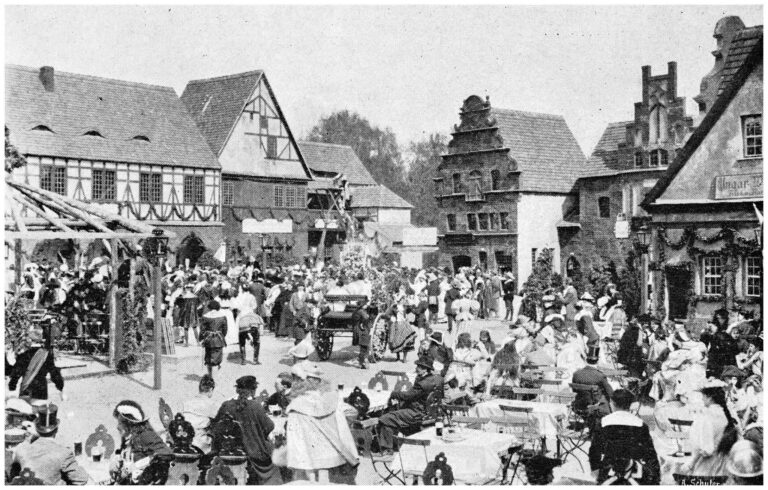
Across every continent and historical epoch, human societies have sought ways to transcend the mundane routines of daily subsistence. In doing so, they created one of humanity’s most enduring social inventions: the traditional festival. Whether celebrated in the agrarian rhythms of harvest cycles, the celestial alignments of solstices and equinoxes, or the solemn commemoration of sacred foundational myths, festivals represent a deliberate, collective pause in linear time. They transform ordinary geographical space into an illuminated stage for collective memory, shared ritual, and cultural renewal. At its fundamental core, a festival is not merely a period of recreation, economic pause, or public entertainment; it is an active, highly structured re-enactment of what it means to belong to a human community.
The historical foundations of collective celebration are deeply rooted in early human efforts to navigate environmental uncertainty, harmonize with ecological forces, and enforce social cohesion. In early human communities, survival depended entirely on mutual cooperation, shared labor, and strict adherence to shared social norms. Festivals emerged as formal, institutionalized mechanisms to periodically align the individual will with the collective consciousness. Through communal feasts, ritualized performance, sacred dance, and shared offerings, societies bound their members to one another, to the land they inhabited, and to their ancestral lineage. The French sociologist Émile Durkheim famously described this phenomenon as “collective effervescence”—a heightened state of shared emotional intensity experienced during communal gatherings that reinforces social solidarity, revitalizes collective beliefs, and transforms abstract moral commitments into tangible, deeply felt personal realities.
In traditional African, Asian, Indigenous American, and pre-industrial European contexts, the concept of community (ubuntu in Southern Africa, mweya wemweya in Shona, sangha in South Asian traditions, ayllu in Andean cultures) was inextricably tied to active ceremonial participation. To participate in a community’s festival was to declare one’s active citizenship, moral duty, and spiritual alignment with the collective. Conversely, exclusion or self-abstraction from communal festivities constituted one of the most severe forms of social exile, signaling a dangerous rupture in the social fabric. The festival functioned as a living, breathing encyclopedia of a culture’s cosmology, transmitting oral histories, ethical frameworks, agricultural wisdom, and social responsibilities across generations without relying on written text or formal institutional schooling.
In the contemporary era, defined by rapid global urbanization, digital dispersion, hyper-individualism, and the fragmentation of traditional neighborhood ties, the intrinsic meaning of community faces unprecedented structural strain. As physical spaces give way to algorithmic networks and local oral traditions are subsumed by global mass media, the traditional festival stands as a vital, irreplaceable sanctuary of physical co-presence. Understanding how traditional festivals build, repair, and sustain the concept of community offers critical insights into human social resilience, psychological well-being, intergenerational continuity, and the preservation of global intangible cultural heritage in a rapidly accelerating world.
The Social Architecture of Belonging
Community is not a passive demographic state or a static geographical label; it is an active, continuous social process that must be continually constructed, affirmed, and repaired. Traditional festivals provide the structural framework—the social architecture—through which individual identity is seamlessly merged with collective purpose. They achieve this enduring transformation through four distinct, interdependent social mechanisms: spatial consecration, synchronized somatic action, intergenerational continuity, and moral reciprocity.
The primary element of this architecture is the intentional transformation of space. During festival periods, ordinary public arenas—town squares, riverbanks, agricultural threshing floors, and congested city streets—are consecrated as sacred or communal zones. The temporary suspension of daily commercial traffic transforms streets from transactional channels of movement into open sanctuaries for human connection, shared meals, and joint artistic expression. This spatial reconfiguration forces individuals out of isolated domestic spheres into direct, face-to-face contact with neighbors, strangers, elders, and youth, breaking down the psychological barriers and emotional detachment that typically characterize daily civil interactions.
Equally critical to this architecture is synchronized somatic action. Through rhythmic drumming, group chanting, call-and-response singing, and collective dancing, festivals systematically align the physical and neurological states of participants. Contemporary neurobiological research demonstrates that synchronized group movement and shared vocalization trigger the massive release of endorphins, dopamine, and oxytocin, fostering deep feelings of interpersonal trust, heightened empathy, and prosocial bonding among participants. When thousands of individuals clap, march, or sing in perfect unison, the psychological boundary between the “self” and the “other” softens, replaced by a profound, bodily experience of undivided communal unity.
Furthermore, traditional festivals serve as the primary engines of intergenerational transmission in non-formal societies. In traditional settings, the preparation and execution of a festival require months of collaborative effort involving every age group, creating a natural framework for mentorship and cultural learning:
- Elders and Knowledge Keepers: Direct the spiritual protocols, oversee ritual accuracy, recite genealogies, and narrate oral histories, maintaining historical continuity and spiritual integrity.
- Adult Guilds and Artisans: Construct ceremonial structures, prepare traditional banquet foods, craft regalia, and manage complex event logistics, modeling civic leadership and communal service.
- Youth and Children: Apprentice directly under elders, learn complex traditional dances, absorb sacred songs, and carry physical offerings, ensuring the survival of the culture’s intangible heritage.
This structured intergenerational collaboration fosters deep mutual respect and social continuity. Youth absorb the core values, moral codes, and history of their people not through passive classroom instruction, but through immersive, embodied experience. Elders, in turn, are continually affirmed in their role as vital guardians of wisdom, ensuring that advanced age is revered as an invaluable community asset rather than viewed as a peripheral, isolated state.
The Ritual of Reversal and Social Renewal
A remarkable and near-universal feature found in traditional festivals across global cultures is what anthropologists term the “ritual of reversal” or the “carnivalistic inversion of social order.” First thoroughly conceptualized by literary theorist Mikhail Bakhtin and cultural anthropologist Victor Turner, these rituals temporarily suspend, invert, or mock normal social hierarchies, strict gender roles, and economic status distinctions.
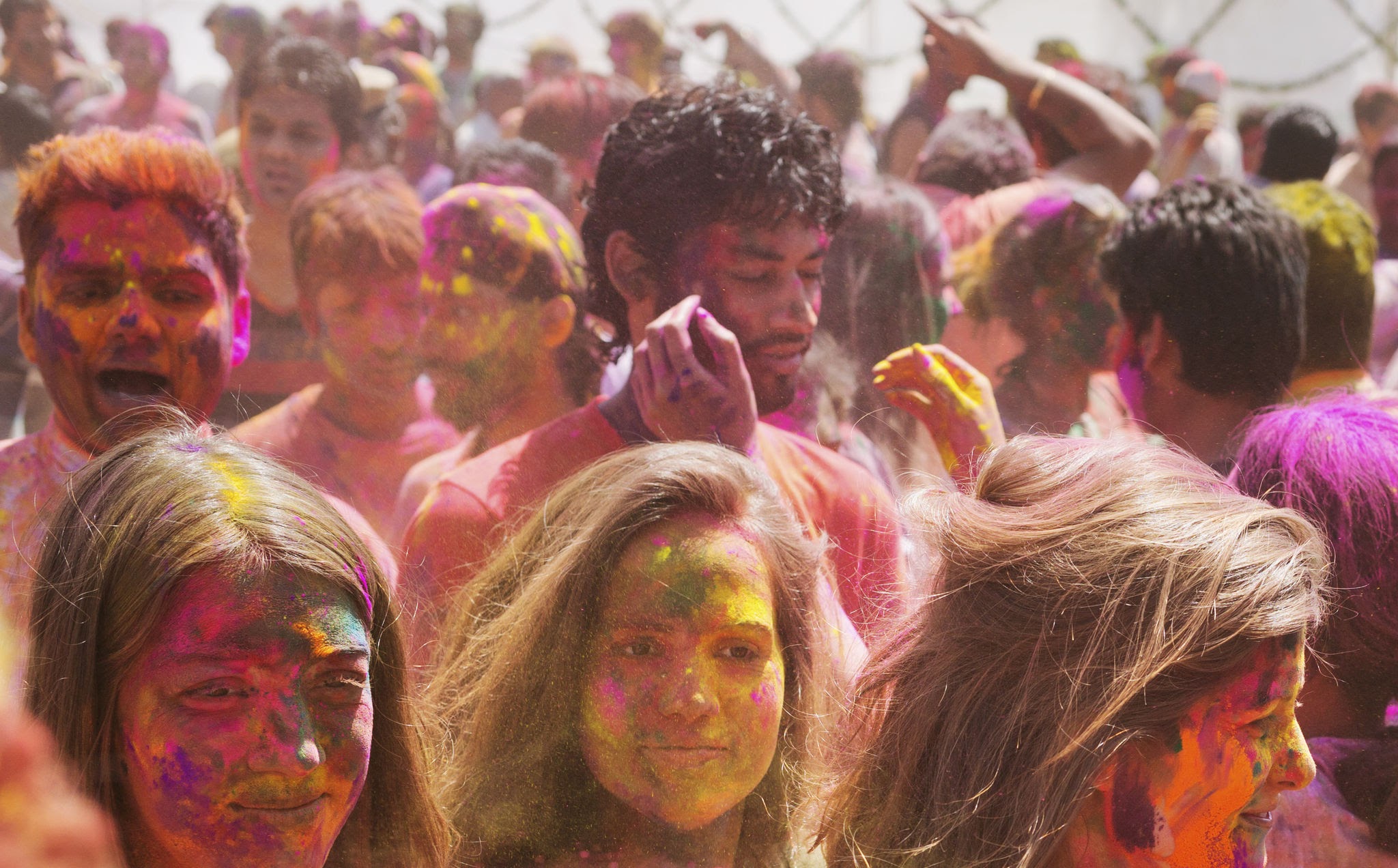
Far from undermining social order or encouraging permanent anarchy, these controlled moments of ritual reversal serve as vital psychological and political safety valves that maintain long-term social stability. By providing a structured, socially sanctioned outlet for emotional expression, satire, social critique, and the cathartic release of accumulated societal tensions, festivals prevent structural inequalities and class frictions from erupting into destructive social conflict. The ritual of reversal serves as an annual reminder to those in positions of authority that power is contingent upon the consent, moral balance, and well-being of the broader community, while offering marginalized groups a therapeutic experience of absolute social equality.
Following the formal conclusion of these inversion rites, society reconstitutes itself with renewed vigor, clarity, and balance. Participants return to their daily roles, duties, and occupations not with latent resentment, but with a refreshed perspective, reduced interpersonal friction, and a deeper appreciation for the functional interdependence of all social tiers. The temporary experience of communitas—an unmediated, egalitarian human connection—leaves an indelible mark on the collective psyche, reinforcing the foundational democratic principle that despite functional social divisions, all members belong to a single human family.
Material Culture, Feasting, and Economic Reciprocity
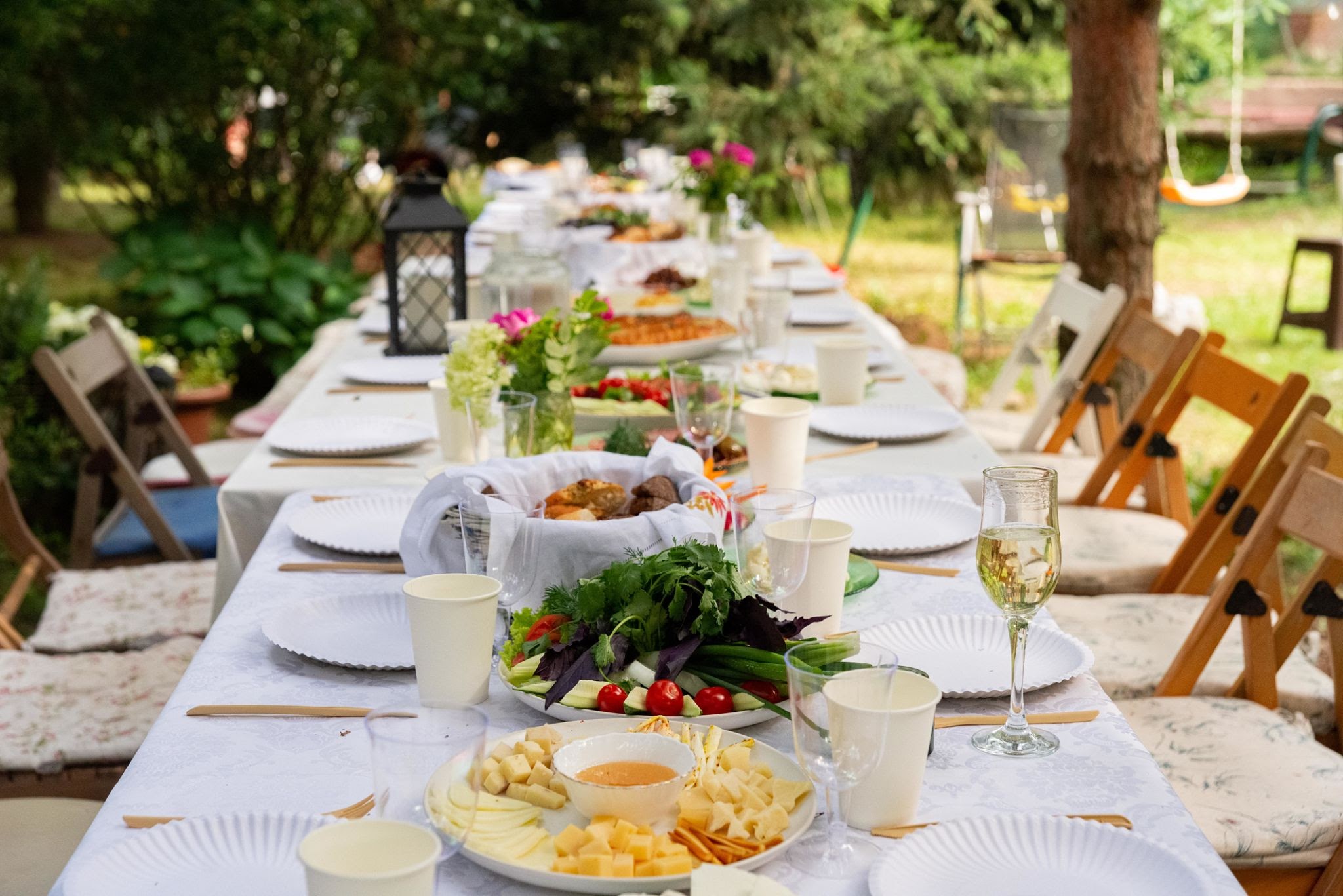
The intangible spiritual, moral, and social dimensions of traditional festivals are grounded in tangible, highly specialized material practices—most notably, the collective preparation and distribution of food. Communal feasting is universally the central pillar of traditional celebration. It acts as a physical, embodied manifestation of communal solidarity, unreserved hospitality, and shared ecological abundance.
In agrarian, pastoral, and maritime societies, the festival harvest feast served as a crucial, highly formalized mechanism of economic redistribution. Wealthy family heads, village chiefs, successful hunters, or prosperous landholders were culturally obligated to contribute disproportionately large shares of grain, livestock, fermented drinks, and harvested produce to the communal table. This institutionalized expectation transformed private material wealth into lasting social prestige, political trust, and moral authority, ensuring that even the poorest, most vulnerable members of the community enjoyed equal access to rich nutrition, high-quality food, and dignity during periods of national celebration.
The culinary traditions uniquely associated with festivals are themselves profound carriers of cultural memory and regional identity. Specific ceremonial dishes—often requiring days of grueling collective labor, specialized ancestral knowledge, and rare seasonal ingredients—are prepared exclusively during festival periods:
- Labor-Intensive Culinary Traditions: Foods requiring complex, multi-person preparation kitchens—such as hand-pounded yam, slow-simmered moles, complex tamales, or ceremonial dumplings—turn the kitchen space itself into an active arena for storytelling, intergenerational bonding, and oral transmission.
- Fermented Ceremonial Beverages: Maize beers (umqombothi), palm wines, rice liquors, and fermented meads brewed strictly according to ancient recipes, used both for ancestral libations and sacred communal toasts that bind the living to the spirit realm.
- Sacred Livestock Preparation: Animals harvested according to strict ritual protocols, with specific cuts meticulously assigned to particular social groups, village elders, maternal kin, or age-grades to visually map and reinforce social roles.
Beyond feasting, festivals act as crucial catalysts for local artisanal economies and traditional material trades. The high seasonal demand for ceremonial regalia, hand-woven textiles, specialized pottery, carved masks, musical instruments, and decorative arts sustains traditional craft guilds that might otherwise fail to survive in a modern industrial marketplace. In this manner, the material culture of the festival links artistic expression directly to economic viability, ensuring that traditional craftsmanship remains a valued, dignified, and financially sustainable profession within the community.
Festivals in the Modern World: Preservation vs. Commercialization
As traditional festivals navigate the rapid shifts of the twenty-first century, they face an increasingly complex socio-economic landscape defined by global mass tourism, commercialization, media saturation, and state intervention. While modern communication tools and international travel have allowed traditional festivals to gain global appreciation, cultural visibility, and vital economic revenue, they also present profound existential challenges to the spiritual authenticity and internal social utility of these celebrations.
When a traditional festival is re-engineered to serve primarily as an international tourist attraction or a commercial spectacle, its primary orientation subtle shifts from the local community to external consumers. This transition frequently leads to what sociologists term “staged authenticity,” where sacred rituals are shortened, altered, commodified, or theatricalized to better fit tourist itineraries, photogenic media soundbites, and commercial sponsorship guidelines. In extreme cases, local residents risk being reduced to background performers in their own sacred heritage spaces, while the skyrocketing costs of local accommodation, commercial entry fees, and real estate gentrification displace the very working-class communities whose ancestors created the tradition.
However, resilient communities worldwide are actively pioneering innovative, highly successful models of sustainable cultural stewardship that harness modern tools while fiercely safeguarding traditional integrity:
- Community-Controlled Cultural Tourism: Establishing autonomous local heritage committees that strictly manage tourist access, restrict commercial filming during sensitive sacred rites, and mandate that tourism revenues directly fund local schools, healthcare, infrastructure, and artisan cooperatives.
- Digital Archiving and Intangible Heritage Protection: Utilizing high-definition media recording, immersive virtual reality, and open-access community databases to document disappearing songs, complex dance choreographies, oral histories, and culinary recipes for future generations.
- Urban and Diaspora Adaptive Celebrations: Migrant communities adapting traditional festivals to dense metropolitan environments—such as the Notting Hill Carnival in London, Caribana in Toronto, or Diwali festivals across global hubs—creating powerful new hybrid spaces of belonging, anti-racist solidarity, and cultural pride for displaced populations.
Ultimately, the traditional festival remains one of humanity’s most resilient, adaptable, and essential social instruments. It reminds us that human beings are fundamentally social creatures who require physical co-presence, shared biological rhythms, collective catharsis, and sacred purpose to truly thrive. In an era often marked by unprecedented loneliness, digital alienation, and societal polarization, the traditional festival continues to raise its voices, beat its drums, and open its communal gates—inviting us to step out of our individual solitude and rediscover the transformative, enduring power of community.
